• Litigare fa bene alla coppia: perché il conflitto può rafforzare l’amore
    Il conflitto non è una minaccia per la coppia, ma una risorsa. Scopri come gestire le discussioni in modo costruttivo e migliorare la qualità della relazione
    https://www.iodonna.it/benessere/amore-e-sesso/2026/01/13/gestione-conflitto-coppia/?utm_source=firefox-newtab-it-it
    Litigare fa bene alla coppia: perché il conflitto può rafforzare l’amore Il conflitto non è una minaccia per la coppia, ma una risorsa. Scopri come gestire le discussioni in modo costruttivo e migliorare la qualità della relazione https://www.iodonna.it/benessere/amore-e-sesso/2026/01/13/gestione-conflitto-coppia/?utm_source=firefox-newtab-it-it
    WWW.IODONNA.IT
    Litigare fa bene alla coppia: perché il conflitto può rafforzare l’amore
    Il conflitto non è una minaccia per la coppia, ma una risorsa. Scopri come gestire le discussioni in modo costruttivo e migliorare la qualità della relazione
    0 Σχόλια 0 Μοιράστηκε 61 Views
  • From Mixology to Flair: The Evolution of Bartenders in India

    The role of bartenders in India has changed dramatically over the last two decades. Once viewed primarily as service staff responsible for pouring drinks, today’s professionals are creators, performers, and experience designers. From refined mixology to high-energy flair performances, the modern bartender in India reflects the country’s growing exposure to global hospitality trends and rising expectations around events and nightlife.
    This evolution mirrors broader cultural shifts—urbanization, international travel, social media influence, and a new generation of consumers who value experiences as much as products. Understanding how bartending has evolved helps event hosts, brands, and hospitality professionals appreciate why bartenders now play a central role in premium celebrations.
    Early Days: Functional Bar Service
    Traditionally, bartending in India was largely functional. At hotels, clubs, and events, the focus was on speed and availability rather than creativity or interaction. Menus were limited, presentation was basic, and personalization was rare.
    In most social gatherings, alcohol service was handled by caterers or hotel staff with minimal training. The idea of a bartender in India as a specialist profession had not yet taken shape. Guests expected drinks, not experiences.
    The Arrival of Mixology Culture
    The first major shift came with the introduction of mixology. As international hotel chains, fine-dining restaurants, and global bar concepts entered the Indian market, they brought structured bartending techniques with them.
    Mixology introduced:
    Precision in measurements


    Understanding of flavor balance


    Use of fresh ingredients and syrups


    Knowledge of classic and contemporary cocktails


    A trained bartender in India began to resemble a chef—experimenting with ingredients, developing recipes, and refining presentation.
    Local Ingredients, Global Techniques
    One of the most exciting aspects of this evolution has been the blending of global techniques with Indian flavors. Bartenders began experimenting with regional ingredients such as kokum, jamun, ginger, tulsi, and spices.
    This fusion helped create a unique identity for Indian bartending. Instead of copying international menus, bartenders started telling local stories through drinks. This approach resonated strongly with guests seeking authenticity alongside sophistication.
    The Rise of Private Events and Experiential Celebrations
    As disposable incomes increased and celebrations became more personalized, private events started demanding higher-quality bar experiences. Weddings, house parties, and corporate events began treating the bar as a focal point rather than a side service.
    This demand pushed the bartender in India into a more visible, interactive role. Hosts wanted:
    Customized drink menus


    Smooth guest interaction


    Clean, stylish bar setups


    Consistent service even at large gatherings


    Bartenders now had to manage both service and experience seamlessly.
    Enter Flair Bartending: Performance Meets Hospitality
    The next stage in evolution was flair bartending. Bottle flips, stylish pours, and rhythmic movements added a performance element to bar service. While flair had existed globally for years, its adoption in India marked a turning point.
    Flair bartending:
    Increased guest engagement


    Turned bars into entertainment zones


    Created visual appeal for photos and videos


    Helped events feel energetic and modern


    A bartender in India was no longer just serving drinks—they were entertaining guests.
    Social Media and the Visual Factor
    Social media accelerated this transformation. Platforms like Instagram and YouTube turned cocktails into visual content. Smoke effects, unique garnishes, and flair moves gained popularity because they looked good on camera.
    Bartenders adapted quickly, focusing on:
    Presentation and aesthetics


    Interactive moments for guests


    Storytelling through drinks


    The bar became one of the most photographed areas at events, reinforcing the importance of skilled bartenders.
    Professional Training and Career Recognition
    With growing demand came better training opportunities. Bartending schools, workshops, and certifications helped standardize skills. Bartending began to be seen as a legitimate career path rather than a temporary job.
    Today, a professional bartender in India often invests years in:
    Learning classic cocktail foundations


    Understanding guest psychology


    Practicing speed and accuracy


    Developing a personal style


    This professionalism has raised overall service standards across the industry.
    Corporate Events and Brand Alignment
    Brands also recognized the value of bartenders in shaping perception. At product launches and corporate gatherings, bartenders now align drink presentation with brand identity.
    Custom cocktails named after products or themes help create subtle brand recall. In such settings, the bartender in India acts as an extension of the brand experience, not just a service provider.
    Responsible and Inclusive Bartending
    Modern bartending also emphasizes responsibility. Today’s bartenders are trained to:
    Serve balanced, measured drinks


    Offer refined non-alcoholic options


    Maintain hygiene and safety standards


    Mocktails, infused waters, and wellness beverages are now integral to bar menus. This inclusive approach reflects maturity in the profession.
    Technology and Innovation at the Bar
    Innovation continues to shape bartending. Tools such as smoke guns, molecular mixology kits, LED bar counters, and digital menus have enhanced both efficiency and creativity.
    For the modern bartender in India, staying updated with trends is essential. Innovation is no longer optional—it’s expected.
    The Future of Bartending in India
    Looking ahead, bartending in India is likely to become even more specialized. We can expect:
    Greater focus on sustainability


    Deeper regional flavor exploration


    More experiential and interactive formats


    Stronger integration with event design


    As expectations rise, bartenders will continue evolving as experience creators.
    Conclusion
    The journey from basic drink service to refined mixology and dynamic flair highlights how far the bartender in India has come. Today’s bartenders balance creativity, performance, and professionalism, shaping the mood and memory of modern celebrations. Their evolution reflects changing consumer expectations and a growing appreciation for experiential hospitality.In this context, approaches followed by brands like kocktailkraftbar often illustrate how contemporary bartending blends skill with thoughtful service—showing why bartenders are now central to premium events rather than working quietly in the background.
    This content is written with the help of AI tools and researched using AI. After writing, SEO experts of SERP Monsters have optimized this content for clarity, relevance, and search engine performance.
    https://kocktailkraftbar.com/bartender-in-delhi/

    From Mixology to Flair: The Evolution of Bartenders in India The role of bartenders in India has changed dramatically over the last two decades. Once viewed primarily as service staff responsible for pouring drinks, today’s professionals are creators, performers, and experience designers. From refined mixology to high-energy flair performances, the modern bartender in India reflects the country’s growing exposure to global hospitality trends and rising expectations around events and nightlife. This evolution mirrors broader cultural shifts—urbanization, international travel, social media influence, and a new generation of consumers who value experiences as much as products. Understanding how bartending has evolved helps event hosts, brands, and hospitality professionals appreciate why bartenders now play a central role in premium celebrations. Early Days: Functional Bar Service Traditionally, bartending in India was largely functional. At hotels, clubs, and events, the focus was on speed and availability rather than creativity or interaction. Menus were limited, presentation was basic, and personalization was rare. In most social gatherings, alcohol service was handled by caterers or hotel staff with minimal training. The idea of a bartender in India as a specialist profession had not yet taken shape. Guests expected drinks, not experiences. The Arrival of Mixology Culture The first major shift came with the introduction of mixology. As international hotel chains, fine-dining restaurants, and global bar concepts entered the Indian market, they brought structured bartending techniques with them. Mixology introduced: Precision in measurements Understanding of flavor balance Use of fresh ingredients and syrups Knowledge of classic and contemporary cocktails A trained bartender in India began to resemble a chef—experimenting with ingredients, developing recipes, and refining presentation. Local Ingredients, Global Techniques One of the most exciting aspects of this evolution has been the blending of global techniques with Indian flavors. Bartenders began experimenting with regional ingredients such as kokum, jamun, ginger, tulsi, and spices. This fusion helped create a unique identity for Indian bartending. Instead of copying international menus, bartenders started telling local stories through drinks. This approach resonated strongly with guests seeking authenticity alongside sophistication. The Rise of Private Events and Experiential Celebrations As disposable incomes increased and celebrations became more personalized, private events started demanding higher-quality bar experiences. Weddings, house parties, and corporate events began treating the bar as a focal point rather than a side service. This demand pushed the bartender in India into a more visible, interactive role. Hosts wanted: Customized drink menus Smooth guest interaction Clean, stylish bar setups Consistent service even at large gatherings Bartenders now had to manage both service and experience seamlessly. Enter Flair Bartending: Performance Meets Hospitality The next stage in evolution was flair bartending. Bottle flips, stylish pours, and rhythmic movements added a performance element to bar service. While flair had existed globally for years, its adoption in India marked a turning point. Flair bartending: Increased guest engagement Turned bars into entertainment zones Created visual appeal for photos and videos Helped events feel energetic and modern A bartender in India was no longer just serving drinks—they were entertaining guests. Social Media and the Visual Factor Social media accelerated this transformation. Platforms like Instagram and YouTube turned cocktails into visual content. Smoke effects, unique garnishes, and flair moves gained popularity because they looked good on camera. Bartenders adapted quickly, focusing on: Presentation and aesthetics Interactive moments for guests Storytelling through drinks The bar became one of the most photographed areas at events, reinforcing the importance of skilled bartenders. Professional Training and Career Recognition With growing demand came better training opportunities. Bartending schools, workshops, and certifications helped standardize skills. Bartending began to be seen as a legitimate career path rather than a temporary job. Today, a professional bartender in India often invests years in: Learning classic cocktail foundations Understanding guest psychology Practicing speed and accuracy Developing a personal style This professionalism has raised overall service standards across the industry. Corporate Events and Brand Alignment Brands also recognized the value of bartenders in shaping perception. At product launches and corporate gatherings, bartenders now align drink presentation with brand identity. Custom cocktails named after products or themes help create subtle brand recall. In such settings, the bartender in India acts as an extension of the brand experience, not just a service provider. Responsible and Inclusive Bartending Modern bartending also emphasizes responsibility. Today’s bartenders are trained to: Serve balanced, measured drinks Offer refined non-alcoholic options Maintain hygiene and safety standards Mocktails, infused waters, and wellness beverages are now integral to bar menus. This inclusive approach reflects maturity in the profession. Technology and Innovation at the Bar Innovation continues to shape bartending. Tools such as smoke guns, molecular mixology kits, LED bar counters, and digital menus have enhanced both efficiency and creativity. For the modern bartender in India, staying updated with trends is essential. Innovation is no longer optional—it’s expected. The Future of Bartending in India Looking ahead, bartending in India is likely to become even more specialized. We can expect: Greater focus on sustainability Deeper regional flavor exploration More experiential and interactive formats Stronger integration with event design As expectations rise, bartenders will continue evolving as experience creators. Conclusion The journey from basic drink service to refined mixology and dynamic flair highlights how far the bartender in India has come. Today’s bartenders balance creativity, performance, and professionalism, shaping the mood and memory of modern celebrations. Their evolution reflects changing consumer expectations and a growing appreciation for experiential hospitality.In this context, approaches followed by brands like kocktailkraftbar often illustrate how contemporary bartending blends skill with thoughtful service—showing why bartenders are now central to premium events rather than working quietly in the background. This content is written with the help of AI tools and researched using AI. After writing, SEO experts of SERP Monsters have optimized this content for clarity, relevance, and search engine performance. https://kocktailkraftbar.com/bartender-in-delhi/

    KOCKTAILKRAFTBAR.COM
    Bartender in Delhi
    Book professional bartender in Delhi for any event. Kocktail Kraft offers mobile bar setups, mixologists & cocktail catering across NCR.
    0 Σχόλια 0 Μοιράστηκε 301 Views

  • How AI-Driven Intent Data Is Transforming B2B Lead Generation in 2026

    B2B lead generation is undergoing a fundamental shift. Traditional models built on cold outreach, static buyer personas, and volume-based campaigns are rapidly losing effectiveness. In their place, a smarter, more precise approach is emerging—one powered by artificial intelligence and intent data. By 2026, AI-driven intent intelligence is not just enhancing lead generation; it is redefining how B2B organizations identify, engage, and convert buyers.

    From Lead Volume to Buying Signals

    For years, B2B marketing success was measured by the number of leads generated. But high volumes rarely translated into high-quality opportunities. Today’s buyers conduct most of their research independently—reading blogs, comparing vendors, joining webinars, and engaging in online communities long before filling out a form.
    AI-driven intent data captures these digital footprints and transforms them into actionable buying signals. Rather than guessing who might be interested, organizations can now see which accounts are actively researching specific solutions, which topics they care about, and where they are in the buying journey. This marks a critical shift from lead accumulation to buyer readiness.

    How AI Makes Intent Data Truly Actionable

    Intent data alone isn’t new. What’s changed is AI’s ability to analyze massive volumes of behavioral, contextual, and firmographic data in real time. Modern AI engines correlate website activity, content consumption, search behavior, social engagement, and third-party data sources to build dynamic intent profiles.

    By 2026, these systems can identify patterns humans can’t—predicting purchase likelihood, detecting early-stage research behavior, and continuously refining account prioritization. Instead of static scoring models, B2B teams now operate with living intelligence models that adapt as buyer behavior evolves.
    This allows sales and marketing teams to focus their efforts on accounts showing genuine buying momentum, dramatically increasing efficiency and conversion rates.

    Precision Targeting and Hyper-Personalization

    One of the most powerful impacts of AI-driven intent data is the ability to personalize engagement at scale. When AI understands not only who a buyer is but what problems they are actively trying to solve, messaging becomes instantly more relevant.

    Marketing teams can automatically tailor campaigns based on real-time interests—serving cybersecurity content to accounts researching breach prevention or ROI-driven messaging to executives evaluating vendors. Sales teams receive insights into pain points, competitive research, and timing signals, enabling outreach that feels helpful rather than intrusive.

    The result is a shift from disruptive marketing to contextual engagement—meeting buyers exactly where they are.

    Shorter Sales Cycles, Stronger Pipelines

    AI-powered intent intelligence also compresses sales cycles. By engaging prospects earlier and with greater relevance, organizations influence decisions before competitors even know a deal exists. Lead qualification becomes predictive rather than reactive, allowing teams to forecast pipeline with greater confidence.

    In 2026, high-performing B2B organizations no longer treat intent data as a marketing add-on. It is embedded across demand generation, account-based marketing, sales enablement, and revenue operations—forming a unified growth engine.

    The Future of Lead Generation Is Predictive

    The future of B2B lead generation is not about casting wider nets—it’s about listening better. AI-driven intent data gives organizations the ability to hear buyer signals at scale, interpret them intelligently, and act at precisely the right moment.
    As competition intensifies and buyer journeys become more complex, the companies that win will be those that replace assumptions with intelligence—and volume with precision.

    𝐑𝐞𝐚𝐝 𝐌𝐨𝐫𝐞: https://intentamplify.com/blog/the-future-of-b2b-demand-generation-how-ai-and-intent-data-will-redefine-growth-by-2026/
    How AI-Driven Intent Data Is Transforming B2B Lead Generation in 2026 B2B lead generation is undergoing a fundamental shift. Traditional models built on cold outreach, static buyer personas, and volume-based campaigns are rapidly losing effectiveness. In their place, a smarter, more precise approach is emerging—one powered by artificial intelligence and intent data. By 2026, AI-driven intent intelligence is not just enhancing lead generation; it is redefining how B2B organizations identify, engage, and convert buyers. From Lead Volume to Buying Signals For years, B2B marketing success was measured by the number of leads generated. But high volumes rarely translated into high-quality opportunities. Today’s buyers conduct most of their research independently—reading blogs, comparing vendors, joining webinars, and engaging in online communities long before filling out a form. AI-driven intent data captures these digital footprints and transforms them into actionable buying signals. Rather than guessing who might be interested, organizations can now see which accounts are actively researching specific solutions, which topics they care about, and where they are in the buying journey. This marks a critical shift from lead accumulation to buyer readiness. How AI Makes Intent Data Truly Actionable Intent data alone isn’t new. What’s changed is AI’s ability to analyze massive volumes of behavioral, contextual, and firmographic data in real time. Modern AI engines correlate website activity, content consumption, search behavior, social engagement, and third-party data sources to build dynamic intent profiles. By 2026, these systems can identify patterns humans can’t—predicting purchase likelihood, detecting early-stage research behavior, and continuously refining account prioritization. Instead of static scoring models, B2B teams now operate with living intelligence models that adapt as buyer behavior evolves. This allows sales and marketing teams to focus their efforts on accounts showing genuine buying momentum, dramatically increasing efficiency and conversion rates. Precision Targeting and Hyper-Personalization One of the most powerful impacts of AI-driven intent data is the ability to personalize engagement at scale. When AI understands not only who a buyer is but what problems they are actively trying to solve, messaging becomes instantly more relevant. Marketing teams can automatically tailor campaigns based on real-time interests—serving cybersecurity content to accounts researching breach prevention or ROI-driven messaging to executives evaluating vendors. Sales teams receive insights into pain points, competitive research, and timing signals, enabling outreach that feels helpful rather than intrusive. The result is a shift from disruptive marketing to contextual engagement—meeting buyers exactly where they are. Shorter Sales Cycles, Stronger Pipelines AI-powered intent intelligence also compresses sales cycles. By engaging prospects earlier and with greater relevance, organizations influence decisions before competitors even know a deal exists. Lead qualification becomes predictive rather than reactive, allowing teams to forecast pipeline with greater confidence. In 2026, high-performing B2B organizations no longer treat intent data as a marketing add-on. It is embedded across demand generation, account-based marketing, sales enablement, and revenue operations—forming a unified growth engine. The Future of Lead Generation Is Predictive The future of B2B lead generation is not about casting wider nets—it’s about listening better. AI-driven intent data gives organizations the ability to hear buyer signals at scale, interpret them intelligently, and act at precisely the right moment. As competition intensifies and buyer journeys become more complex, the companies that win will be those that replace assumptions with intelligence—and volume with precision. 𝐑𝐞𝐚𝐝 𝐌𝐨𝐫𝐞: https://intentamplify.com/blog/the-future-of-b2b-demand-generation-how-ai-and-intent-data-will-redefine-growth-by-2026/
    0 Σχόλια 0 Μοιράστηκε 296 Views
  • GRANDISSIMA HETHER. SIAMO TUTTI CON TE. MA QUALE Professore Universitario, un losco figuro con conflitti di interesse in DIVERSE BIG-PHARMA.

    Scontro sui vaccini tra Bassetti e Heather Parisi: lei invoca #Trump , lui la querela.
    Heather Parisi 'segnala' il professor Matteo Bassetti a Donald Trump e l'infettivologo risponde preannunciando querela. Va in scena su X il botta e risposta tra la showgirl e il direttore del reparto di malattie infettive del Policlinico San Martino di Genova. Bassetti recentemente ha criticato la decisione con cui gli Stati Uniti riducono le vaccinazioni raccomandate per i bambini. Sui social, il medico ha criticato l'operato del segretario alla Salute, Robert Kennedy jr, definito ''no vax terrapiattista.
    Heather Parisi lo segnala a Trump:
    "Presidente Trump, mentre lei, con determinazione, si occupa di dittatori Sudamericani e dei loro loschi traffici, e mentre guarda con occhio vigile ai fanatismi mediorientali, dall'Italia, nostro alleato, un certo professor Bassetti arruolato dal governo Italiano addirittura in un ruolo ufficiale al ministero della sanità, aizza folle di webeti contro il nostro Ministro della Salute, Kennedy, che lui definisce, 'ex tossicodipendente' e 'terrapiattista'", scrive Parisi.
    Bassetti risponde per le rime e annuncia code giudiziarie. "Una ballerina in pensione che critica il curriculum di un Professore Universitario. Non è uno scherzo ma la realtà di Heather Parisi. Mi auguro, per lei, che abbia guadagnato abbastanza per permettersi un buon avvocato qui in Italia. Cara Signora Parisi ci vediamo in tribunale", conclude il professore.
    GRANDISSIMA HETHER. SIAMO TUTTI CON TE. MA QUALE Professore Universitario, un losco figuro con conflitti di interesse in DIVERSE BIG-PHARMA. Scontro sui vaccini tra Bassetti e Heather Parisi: lei invoca #Trump , lui la querela. Heather Parisi 'segnala' il professor Matteo Bassetti a Donald Trump e l'infettivologo risponde preannunciando querela. Va in scena su X il botta e risposta tra la showgirl e il direttore del reparto di malattie infettive del Policlinico San Martino di Genova. Bassetti recentemente ha criticato la decisione con cui gli Stati Uniti riducono le vaccinazioni raccomandate per i bambini. Sui social, il medico ha criticato l'operato del segretario alla Salute, Robert Kennedy jr, definito ''no vax terrapiattista. Heather Parisi lo segnala a Trump: "Presidente Trump, mentre lei, con determinazione, si occupa di dittatori Sudamericani e dei loro loschi traffici, e mentre guarda con occhio vigile ai fanatismi mediorientali, dall'Italia, nostro alleato, un certo professor Bassetti arruolato dal governo Italiano addirittura in un ruolo ufficiale al ministero della sanità, aizza folle di webeti contro il nostro Ministro della Salute, Kennedy, che lui definisce, 'ex tossicodipendente' e 'terrapiattista'", scrive Parisi. Bassetti risponde per le rime e annuncia code giudiziarie. "Una ballerina in pensione che critica il curriculum di un Professore Universitario. Non è uno scherzo ma la realtà di Heather Parisi. Mi auguro, per lei, che abbia guadagnato abbastanza per permettersi un buon avvocato qui in Italia. Cara Signora Parisi ci vediamo in tribunale", conclude il professore.
    Angry
    1
    0 Σχόλια 0 Μοιράστηκε 473 Views
  • Happy Makar Sankranti! Let Pain Fly Away

    This Makar Sankranti, let go of pain and stiffness.
    Celebrate freedom of movement with Damdar Extra Strong Oil—trusted Ayurvedic care for joint, knee, and body pain.

    Stay warm, stay active, and enjoy every moment of the festival.

    Website - https://www.damdaroil.com/

    #HappyMakarSankranti #DamdarOil #LetPainFlyAway #JointPainRelief #KneePainRelief #AyurvedicOil #WinterCare #PainFreeMovement #FestivalVibes
    Happy Makar Sankranti! 🪁 Let Pain Fly Away This Makar Sankranti, let go of pain and stiffness. Celebrate freedom of movement with Damdar Extra Strong Oil—trusted Ayurvedic care for joint, knee, and body pain. Stay warm, stay active, and enjoy every moment of the festival. 🌿✨ Website - https://www.damdaroil.com/ #HappyMakarSankranti #DamdarOil #LetPainFlyAway #JointPainRelief #KneePainRelief #AyurvedicOil #WinterCare #PainFreeMovement #FestivalVibes
    0 Σχόλια 0 Μοιράστηκε 260 Views
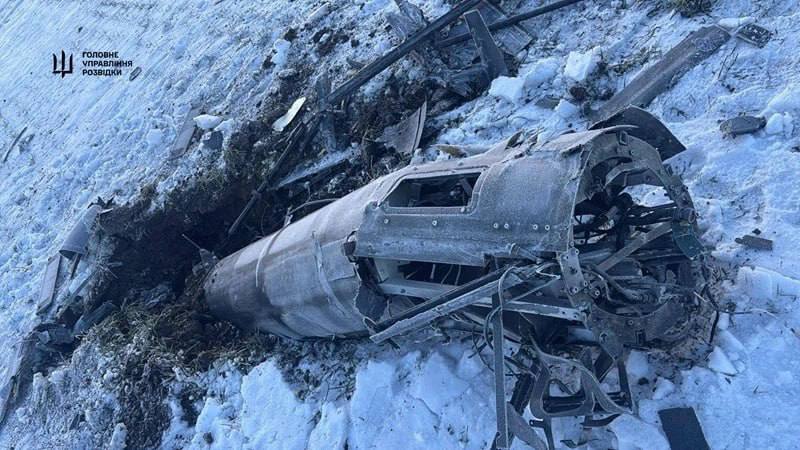
  • In azione nel conflitto in Ucraina il nuovo Geran-5 russo

    In azione nel conflitto in Ucraina il nuovo Geran-5 russo
    12 Gennaio 2026 di Maurizio Sparacino in News

    La Russia ha utilizzato per la prima volta a inizio gennaio il drone kamikaze Geran-5, secondo quanto affermato dalla Direzione principale dell’intelligence del ministero della Difesa ucraino (HUR).

    L’apparizione di questo drone sul teatro operativo ucraino segna un salto tecnologico e dottrinale significativo per le Forze Aerospaziali russe. A differenza dei precedenti modelli della famiglia Geran caratterizzati da una bassa velocità e da una struttura a delta, il Geran-5 adotta uno schema aerodinamico convenzionale e una propulsione a reazione che ne incrementa drasticamente le prestazioni cinematiche.

    Con una lunghezza di 6 metri e una gittata stimata di 1000 km, questo vettore che secondo le fonti ucraine si baserebbe sul drone iraniano Karrar, non si limita a trasportare una testata bellica da 90 kg, ma introduce una versatilità d’impiego finora inedita per questa classe di armamenti.

    Il drone ha un’elevata standardizzazione per i componenti chiave con altre versioni di “Geran”. Ad esempio è dotato di un radar a 12 elementi “Comet”, di un tracciatore basato su un microcomputer Raspberry e di un modem 3G/4G, oltre che di un motore a reazione Telefly con una maggiore spinta.

    Ma l’aspetto più dirompente e innovativo dell’impiego del Geran-5 risiede nella sua potenziale integrazione con i velivoli d’attacco al suolo Su-25. Questa sinergia potrebbe restituire rilevanza tattica a un aereo che le moderne e prestanti difese aeree hanno progressivamente confinato a compiti marginali.

    Trasformando il Su-25 in una piattaforma di lancio per droni a lungo raggio, l’Aviazione russa potrebbe colpire obiettivi sensibili nelle retrovie ucraine rimanendo a debita distanza dai sistemi missilistici terra-aria nemici.

    Tale strategia – come suggeriva recentemente l’analista militare russo Vladimir Khrustalev a proposito del possibile impiego in Ucraina dei Su-25 nordcoreani rimodernati – non solo preserva l’integrità dei piloti e delle macchine, ma riduce sensibilmente i costi operativi rispetto all’uso di missili da crociera convenzionali.

    L’innovazione non si ferma però alla sola capacità d’attacco al suolo, poiché l’ipotesi di equipaggiare questi droni con missili aria-aria R-73 (Codice NATO AA-11 Archer), dopo quanto già constatato per i Geran-2 dotati dei missili aria-aria leggeri R-60 (AA-8 Aphid), apre scenari inquietanti per la difesa aerea di Kiev.

    Un drone a reazione capace di agire come intercettore darebbe vita a una forma di difesa aerea distribuita e sacrificabile in grado di contrastare sia i velivoli pilotati che altri droni nemici. L’utilizzo dei suddetti componenti civili come i microcomputer Raspberry e i modem commerciali, integrati con sistemi militari sofisticati come l’antenna anti-jamming Kometa, dimostra inoltre una capacità di adattamento industriale che punta sulla produzione di massa e sulla facilità di aggiornamento tecnologico.


    È interessante notare infine, che, oltre al “Geran-5”, fonti d’intelligence ucraine affermano di conseguenza l’esistenza del “Geran-4”, più simile nella sua struttura al suo progenitore Shahed-238.

    Il mistero che circonda finora il Geran-4 riflette la complessità della moderna intelligence militare dove la classificazione di un’arma precede spesso la sua apparizione pubblica definitiva. A differenza delle versioni 1, 2 e 3, ampiamente documentate dai resti recuperati sul campo di battaglia, le notizie sul quarto modello della serie provengono principalmente dai rapporti del GUR ucraino e dagli analisti che sorvegliano il polo industriale di Alabuga.

    Nonostante l’assenza di una “prova regina” come un relitto intatto che ne confermi inequivocabilmente le specifiche, l’esistenza di questa variante viene ipotizzata come un passaggio necessario nell’evoluzione della famiglia Geran.

    Dal punto di vista tecnologico, il Geran-4 potrebbe inserirsi come un raffinamento strutturale dei modelli a reazione precedenti. Se il Geran-3 ha rappresentato il debutto della propulsione turbojet sulla cellula ereditata dallo Shahed-238, il Geran-4 viene descritto come la versione “matura” e ottimizzata per la produzione industriale russa. In questo contesto, l’apparente contraddizione numerica potrebbe spiegarsi con la logica del perfezionamento: il Geran-4 dovrebbe mantenere la forma dell’ala a delta ma introdurrebbe materiali compositi avanzati come la fibra di carbonio e di vetro, per rendere la struttura più leggera e performante rispetto ai primi prototipi a reazione.

    La difficoltà nel reperire prove fotografiche certe potrebbe dipendere da una sovrapposizione nelle segnalazioni sul campo, dove molti droni a reazione abbattuti vengono genericamente catalogati come Geran-3. In realtà, il Geran-4 potrebbe rappresentare un salto qualitativo invisibile esternamente ma fondamentale sotto la scocca, fungendo da banco di prova per i nuovi sistemi di guida inerziale russi e per le evoluzioni dell’antenna anti-jamming Kometa. Si tratterebbe dunque dell’apice evolutivo del design a delta, l’ultimo stadio di perfezionamento di una forma ormai iconica prima del radicale cambio di architettura introdotto dal Geran-5, che adotta invece una configurazione aerodinamica tradizionale.

    Molte di queste informazioni circolano su canali Telegram specializzati in analisi militare o vengono riprese da agenzie di stampa ucraine che citano briefing riservati del Ministero della Difesa. È molto probabile che, come accaduto per i modelli precedenti, la conferma definitiva arriverà solo quando un esemplare cadrà in mani ucraine in condizioni sufficientemente integre da permetterne lo smontaggio e la catalogazione ufficiale dei componenti interni.

    Foto: HUR

    https://www.analisidifesa.it/2026/01/in-azione-nel-conflitto-in-ucraina-il-nuovo-geran-5-russo
    In azione nel conflitto in Ucraina il nuovo Geran-5 russo In azione nel conflitto in Ucraina il nuovo Geran-5 russo 12 Gennaio 2026 di Maurizio Sparacino in News La Russia ha utilizzato per la prima volta a inizio gennaio il drone kamikaze Geran-5, secondo quanto affermato dalla Direzione principale dell’intelligence del ministero della Difesa ucraino (HUR). L’apparizione di questo drone sul teatro operativo ucraino segna un salto tecnologico e dottrinale significativo per le Forze Aerospaziali russe. A differenza dei precedenti modelli della famiglia Geran caratterizzati da una bassa velocità e da una struttura a delta, il Geran-5 adotta uno schema aerodinamico convenzionale e una propulsione a reazione che ne incrementa drasticamente le prestazioni cinematiche. Con una lunghezza di 6 metri e una gittata stimata di 1000 km, questo vettore che secondo le fonti ucraine si baserebbe sul drone iraniano Karrar, non si limita a trasportare una testata bellica da 90 kg, ma introduce una versatilità d’impiego finora inedita per questa classe di armamenti. Il drone ha un’elevata standardizzazione per i componenti chiave con altre versioni di “Geran”. Ad esempio è dotato di un radar a 12 elementi “Comet”, di un tracciatore basato su un microcomputer Raspberry e di un modem 3G/4G, oltre che di un motore a reazione Telefly con una maggiore spinta. Ma l’aspetto più dirompente e innovativo dell’impiego del Geran-5 risiede nella sua potenziale integrazione con i velivoli d’attacco al suolo Su-25. Questa sinergia potrebbe restituire rilevanza tattica a un aereo che le moderne e prestanti difese aeree hanno progressivamente confinato a compiti marginali. Trasformando il Su-25 in una piattaforma di lancio per droni a lungo raggio, l’Aviazione russa potrebbe colpire obiettivi sensibili nelle retrovie ucraine rimanendo a debita distanza dai sistemi missilistici terra-aria nemici. Tale strategia – come suggeriva recentemente l’analista militare russo Vladimir Khrustalev a proposito del possibile impiego in Ucraina dei Su-25 nordcoreani rimodernati – non solo preserva l’integrità dei piloti e delle macchine, ma riduce sensibilmente i costi operativi rispetto all’uso di missili da crociera convenzionali. L’innovazione non si ferma però alla sola capacità d’attacco al suolo, poiché l’ipotesi di equipaggiare questi droni con missili aria-aria R-73 (Codice NATO AA-11 Archer), dopo quanto già constatato per i Geran-2 dotati dei missili aria-aria leggeri R-60 (AA-8 Aphid), apre scenari inquietanti per la difesa aerea di Kiev. Un drone a reazione capace di agire come intercettore darebbe vita a una forma di difesa aerea distribuita e sacrificabile in grado di contrastare sia i velivoli pilotati che altri droni nemici. L’utilizzo dei suddetti componenti civili come i microcomputer Raspberry e i modem commerciali, integrati con sistemi militari sofisticati come l’antenna anti-jamming Kometa, dimostra inoltre una capacità di adattamento industriale che punta sulla produzione di massa e sulla facilità di aggiornamento tecnologico. È interessante notare infine, che, oltre al “Geran-5”, fonti d’intelligence ucraine affermano di conseguenza l’esistenza del “Geran-4”, più simile nella sua struttura al suo progenitore Shahed-238. Il mistero che circonda finora il Geran-4 riflette la complessità della moderna intelligence militare dove la classificazione di un’arma precede spesso la sua apparizione pubblica definitiva. A differenza delle versioni 1, 2 e 3, ampiamente documentate dai resti recuperati sul campo di battaglia, le notizie sul quarto modello della serie provengono principalmente dai rapporti del GUR ucraino e dagli analisti che sorvegliano il polo industriale di Alabuga. Nonostante l’assenza di una “prova regina” come un relitto intatto che ne confermi inequivocabilmente le specifiche, l’esistenza di questa variante viene ipotizzata come un passaggio necessario nell’evoluzione della famiglia Geran. Dal punto di vista tecnologico, il Geran-4 potrebbe inserirsi come un raffinamento strutturale dei modelli a reazione precedenti. Se il Geran-3 ha rappresentato il debutto della propulsione turbojet sulla cellula ereditata dallo Shahed-238, il Geran-4 viene descritto come la versione “matura” e ottimizzata per la produzione industriale russa. In questo contesto, l’apparente contraddizione numerica potrebbe spiegarsi con la logica del perfezionamento: il Geran-4 dovrebbe mantenere la forma dell’ala a delta ma introdurrebbe materiali compositi avanzati come la fibra di carbonio e di vetro, per rendere la struttura più leggera e performante rispetto ai primi prototipi a reazione. La difficoltà nel reperire prove fotografiche certe potrebbe dipendere da una sovrapposizione nelle segnalazioni sul campo, dove molti droni a reazione abbattuti vengono genericamente catalogati come Geran-3. In realtà, il Geran-4 potrebbe rappresentare un salto qualitativo invisibile esternamente ma fondamentale sotto la scocca, fungendo da banco di prova per i nuovi sistemi di guida inerziale russi e per le evoluzioni dell’antenna anti-jamming Kometa. Si tratterebbe dunque dell’apice evolutivo del design a delta, l’ultimo stadio di perfezionamento di una forma ormai iconica prima del radicale cambio di architettura introdotto dal Geran-5, che adotta invece una configurazione aerodinamica tradizionale. Molte di queste informazioni circolano su canali Telegram specializzati in analisi militare o vengono riprese da agenzie di stampa ucraine che citano briefing riservati del Ministero della Difesa. È molto probabile che, come accaduto per i modelli precedenti, la conferma definitiva arriverà solo quando un esemplare cadrà in mani ucraine in condizioni sufficientemente integre da permetterne lo smontaggio e la catalogazione ufficiale dei componenti interni. Foto: HUR https://www.analisidifesa.it/2026/01/in-azione-nel-conflitto-in-ucraina-il-nuovo-geran-5-russo
    Like
    1
    0 Σχόλια 0 Μοιράστηκε 960 Views
  • https://www.jezzmoney.com/calculators/inflation-calculator
    https://www.jezzmoney.com/calculators/inflation-calculator
    WWW.JEZZMONEY.COM
    Inflation Calculator India - Calculate Inflation Impact
    Use the Inflation Calculator to measure how inflation affects your savings and buying power over time. Plan your finances better today.
    0 Σχόλια 0 Μοιράστηκε 40 Views
  • Which region leads in the production and consumption of Melaleuca Leucadendron Cajaputi Oil?

    Melaleuca leucadendron cajaputi oil is prized for its antimicrobial and anti-inflammatory properties, making it particularly valuable in skincare formulations.

    Download FREE Sample Report:https://www.24chemicalresearch.com/download-sample/276614/global-melaleuca-leucadendron-cajaputi-oil-market-2024-941
    Which region leads in the production and consumption of Melaleuca Leucadendron Cajaputi Oil? Melaleuca leucadendron cajaputi oil is prized for its antimicrobial and anti-inflammatory properties, making it particularly valuable in skincare formulations. Download FREE Sample Report:https://www.24chemicalresearch.com/download-sample/276614/global-melaleuca-leucadendron-cajaputi-oil-market-2024-941
    Sample Report: Global Melaleuca Leucadendron Cajaputi Oil Market Research Report 2026(Status and Outlook)
    Download Sample Report PDF : Global Melaleuca Leucadendron Cajaputi Oil market was valued at USD million in 2023 and is projected to reach USD million by 2030, at a CAGR of % during the forecast period.
    0 Σχόλια 0 Μοιράστηκε 208 Views
  • Are you in need of a #Hamiltonairporttaxi service? Are you seeking a reliable and licensed taxi company? Count on us. All our esteemed clients are provided with the best taxi services at a competitive pricing range. We offer a quote upfront for our airport taxis. We cover solo and group trips with luggage. For more information, you can call us at (647)872-2884 or visit https://pearsonfleetservice.ca/hamilton-airport-taxi/
    Are you in need of a #Hamiltonairporttaxi service? Are you seeking a reliable and licensed taxi company? Count on us. All our esteemed clients are provided with the best taxi services at a competitive pricing range. We offer a quote upfront for our airport taxis. We cover solo and group trips with luggage. For more information, you can call us at (647)872-2884 or visit https://pearsonfleetservice.ca/hamilton-airport-taxi/
    PEARSONFLEETSERVICE.CA
    Hamilton Airport Taxi | Pearson Fleet Service
    We provide top-notch Hamilton airport taxi service ensuring a comfortable and stress-free journey. For more details, call us at (647)872-2884
    0 Σχόλια 0 Μοιράστηκε 223 Views
  • Capital Hair Restoration: Honest Insights from Reddit Hair Transplant Discussions in the UK.

    Hair loss is a common issue for many people in the UK, and a hair transplant has become one of the most trusted solutions. When researching clinics, many people come across Capital Hair Restoration, along with discussions on Reddit hair transplant forums. These platforms help users understand real experiences, expectations, and results. This article explains what Capital Hair Restoration offers, how Reddit hair transplant discussions influence decisions, and what you should know before choosing a hair transplant UK clinic. Visit our website: https://www.reddit.com/r/Hair_transplant_UK/wiki/capitalhairrestoration/
    Capital Hair Restoration: Honest Insights from Reddit Hair Transplant Discussions in the UK. Hair loss is a common issue for many people in the UK, and a hair transplant has become one of the most trusted solutions. When researching clinics, many people come across Capital Hair Restoration, along with discussions on Reddit hair transplant forums. These platforms help users understand real experiences, expectations, and results. This article explains what Capital Hair Restoration offers, how Reddit hair transplant discussions influence decisions, and what you should know before choosing a hair transplant UK clinic. Visit our website: https://www.reddit.com/r/Hair_transplant_UK/wiki/capitalhairrestoration/
    0 Σχόλια 0 Μοιράστηκε 311 Views
Αναζήτηση αποτελεσμάτων