


A Comprehensive Guide to Selecting and Caring for Centrifuge Tubes
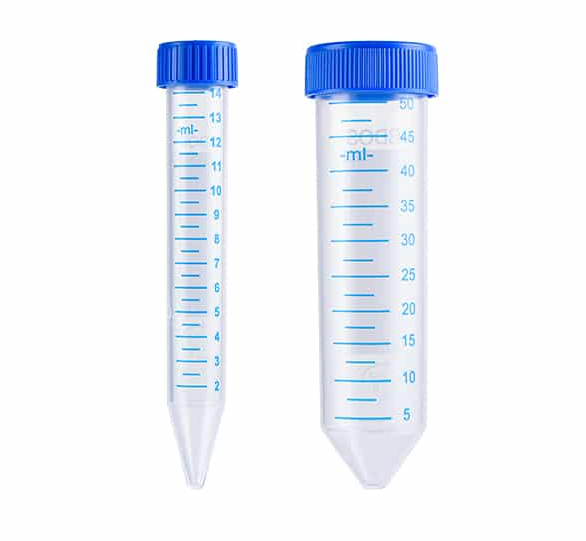
When selecting centrifuge tubes, it’s important to consider the material, sealing mechanism, clarity, and chemical resistance needed for your application. This guide covers tips for choosing the right tubes and rotor types as well as best practices for cleaning, storage and centrifugation. Properly caring for tubes ensures sample integrity, prevents leakage or breakage, and prolongs tube life.

Key Factors in Selecting Tubes
-
Assess suggested sample volume and max speed using product guidelines or package labels
-
Match tubes carefully to rotor type to prevent breakage and sample loss
-
Consider chemical resistance based on material: PP and PA are opaque with good resistance; PC and PET are clear with poor resistance
Popular Rotor Types and Recommended Tube Orientation
- Swinging bucket rotors: Tubes hang vertically then swing out horizontally during rotation
- Fixed angle rotors: Tubes remain fixed at an angle during rotation
- Vertical rotors: Tubes stay vertical throughout rotation
- Fill thin-walled sealed tubes completely for fixed angle or vertical rotors
Proper Cleaning and Sterilization of Tubes
- Clean with mild detergent, warm water, rinse and air dry
- Avoid glassware washers or dishwashers due to excess heat
- Only autoclave if necessary, at 121°C for 15 minutes
- Prevent sample loss by matching tubes carefully to rotor
Safe Centrifugation Practices
Always balance tubes properly in centrifuge. Never exceed max speed rating for tubes. Stop rotation immediately if an imbalance is suspected. Avoid overfilling tubes beyond stated capacity
Proper Storage for Optimal Tube Lifespan
Store tubes with caps loosened in a cool, dry location. Ensure tubes are fully dried after washing before capping for storage. Regularly inspect tubes for cracks/wear and replace as needed. Follow manufacturer date recommendations for tube expiration/replacement
Signs Your Tubes May Need Replacing
Fogging, crazing or discoloration of plastic. Difficulty closing or opening caps properly. Leaks at cap seam or bottom seal. Cracks along tube body or cap
Conclusion
By selecting the optimal centrifuge tubes for your application and properly caring for them during use, cleaning and storage, you can ensure reliable performance and lifespan. Always adhere to safety best practices during centrifugation to prevent tube breakage and sample loss. Reference manufacturer guidelines and replace tubes at first signs of wear.
 Spanish
 English
 Arabic
 French
 Portuguese
 Deutsch
 Turkish
 Dutch
Dutch
 Italiano
 Russian
 Romaian
 Portuguese (Brazil)
 Greek
Greek