



Attualità
L’ESECUZIONE MIRATA DI AMAL KHALIL
Libano, uccisa giornalista Amal Khalil
indagini sull’attacco nel sud del Paese
Uccisa a sud di Tiro la giornalista Amal Khalil: indagini in corso sull’attacco in Libano che ha colpito operatori dell’informazione durante il conflitto
di Piero De Ruvo
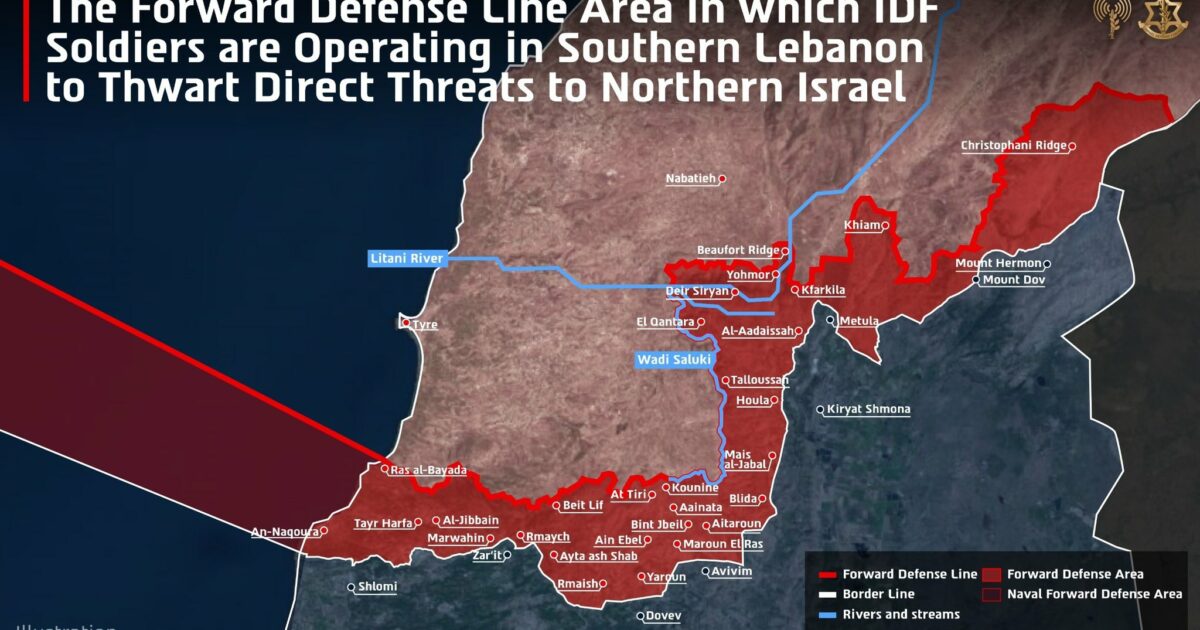
L’uccisione della giornalista libanese Amal Khalil, avvenuta il 22 aprile 2026 in un villaggio vicino Tiro, non può essere derubricata a tragico errore o a “effetto collaterale”, ma se confermata dalle autorità che stanno indagando, si potrebbe configurare come una vera e propria esecuzione deliberata. Amal Khalil, esperta corrispondente del quotidiano Al-Akhbar, è stata braccata dai droni israeliani mentre cercava semplicemente di fare il suo lavoro, documentando le devastazioni nel sud del Libano. La dinamica dell’attacco rivela una ferocia mirata: dopo che un primo raid ha colpito il veicolo che precedeva la sua auto, Khalil e la fotografa Zeinab Faraj hanno cercato riparo in un’abitazione civile.
È stato in quel momento che l’IDF ha sferrato il colpo fatale, bombardando intenzionalmente la casa dove le giornaliste avevano trovato rifugio. Non contenti di averla sepolta sotto le macerie, i militari israeliani hanno messo in atto un criminale ostruzionismo dei soccorsi, aprendo il fuoco contro le ambulanze e lanciando granate stordenti per impedire alla Croce Rossa di raggiungerla. Amal Khalil è morta dissanguata dopo ore di agonia, intrappolata tra i detriti, mentre l’esercito israeliano impediva ogni missione umanitaria. Questo omicidio era stato annunciato.
Nel settembre 2024, Khalil aveva ricevuto agghiaccianti minacce di morte direttamente sul proprio numero WhatsApp da un’utenza israeliana, messaggi che le intimavano di lasciare il Libano e cambiare mestiere se voleva che la sua “testa restasse attaccata alle spalle”. Queste minacce, denunciate dai sindacati dei giornalisti, dimostrano che Amal era un obiettivo prioritario per un esercito che non tollera testimoni scomodi. Il primo ministro libanese Nawaf Salam ha parlato apertamente di crimini di guerra, sottolineando come l’attacco fosse chiaramente identificabile e impegnate in compiti civili.
La verità è che Amal Khalil è stata uccisa perché vedeva troppo e raccontava ciò che il mondo non deve sapere sulla distruzione sistematica dei villaggi libanesi. Chiunque cerchi di documentare la verità sotto le bombe israeliane sa ora di avere un mirino puntato addosso. L’IDF ha deciso che la libera informazione è un nemico da abbattere.
Il caso di Amal Khalil si inserisce in un contesto già fortemente critico. Organizzazioni internazionali per la libertà di stampa, come Reporters Without Borders, denunciano da tempo un aumento significativo dei rischi per i giornalisti nelle zone di conflitto, soprattutto quelle in cui è coinvolto l’esercito israeliano, sottolineando come la distinzione tra obiettivi militari e civili venga sempre più spesso messa in discussione sul campo.
La morte di Amal Khalil riapre così un tema centrale: in guerra, il racconto dei fatti è protetto o diventa un bersaglio? La risposta a questa domanda non riguarda solo un singolo episodio, ma il futuro stesso del diritto all’informazione nei teatri di conflitto. In un contesto già segnato da escalation militari e tensioni regionali, episodi come questo rischiano di contribuire a un clima in cui documentare la realtà diventa sempre più pericoloso. E quando i testimoni vengono meno, anche la possibilità di accertare i fatti si fa più fragile.
Current Events
THE TARGETED EXECUTION OF AMAL KHALIL
Lebanon, journalist Amal Khalil killed
investigations underway into the attack in the south of the country
Journalist Amal Khalil killed south of Tyre: investigations underway into the attack in Lebanon that targeted media workers during the conflict
by Piero De Ruvo
The killing of Lebanese journalist Amal Khalil, which occurred on April 22, 2026, in a village near Tyre, cannot be dismissed as a tragic mistake or a "collateral effect," but if confirmed by the investigating authorities, it could constitute a deliberate execution. Amal Khalil, a veteran correspondent for the daily Al-Akhbar, was hunted by Israeli drones while simply trying to do her job, documenting the devastation in southern Lebanon. The attack's dynamics reveal targeted ferocity: after an initial strike hit the vehicle in front of his car, Khalil and photographer Zeinab Faraj sought shelter in a civilian home.
It was then that the IDF struck the fatal blow, intentionally bombing the house where the journalists had taken refuge. Not content with burying her under rubble, the Israeli military criminally obstructed rescue efforts, opening fire on ambulances and throwing stun grenades to prevent the Red Cross from reaching her. Amal Khalil bled to death after hours of agony, trapped in the debris, while the Israeli army prevented all humanitarian missions. This murder had been announced.
In September 2024, Khalil received chilling death threats directly on her WhatsApp number from an Israeli user, messages urging her to leave Lebanon and change profession if she wanted her "head to stay on top of things." These threats, denounced by journalists' unions, demonstrate that Amal was a priority target for an army that tolerates no inconvenient witnesses. Lebanese Prime Minister Nawaf Salam has openly spoken of war crimes, emphasizing that the attack was clearly identifiable and that they were engaged in civilian duties.
The truth is that Amal Khalil was killed because she saw too much and reported what the world must not know about the systematic destruction of Lebanese villages. Anyone trying to document the truth under Israeli bombs now knows they have a crosshair trained on them. The IDF has decided that free information is an enemy that must be destroyed.
Amal Khalil's case comes amidst an already highly critical context. International press freedom organizations such as Reporters Without Borders have long been denouncing a significant increase in risks for journalists in conflict zones, especially those involving the Israeli army, emphasizing how the distinction between military and civilian targets is increasingly being questioned on the ground.
Amal Khalil's death thus reopens a central issue: in war, is reporting protected or is it targeted? The answer to this question concerns not just a single incident, but the very future of the right to information in conflict zones. In a context already marked by military escalations and regional tensions, incidents like this risk contributing to a climate in which documenting reality becomes increasingly dangerous. And when witnesses are missing, the possibility of establishing facts also becomes more fragile.
L’ESECUZIONE MIRATA DI AMAL KHALIL
Libano, uccisa giornalista Amal Khalil
indagini sull’attacco nel sud del Paese
Uccisa a sud di Tiro la giornalista Amal Khalil: indagini in corso sull’attacco in Libano che ha colpito operatori dell’informazione durante il conflitto
di Piero De Ruvo
L’uccisione della giornalista libanese Amal Khalil, avvenuta il 22 aprile 2026 in un villaggio vicino Tiro, non può essere derubricata a tragico errore o a “effetto collaterale”, ma se confermata dalle autorità che stanno indagando, si potrebbe configurare come una vera e propria esecuzione deliberata. Amal Khalil, esperta corrispondente del quotidiano Al-Akhbar, è stata braccata dai droni israeliani mentre cercava semplicemente di fare il suo lavoro, documentando le devastazioni nel sud del Libano. La dinamica dell’attacco rivela una ferocia mirata: dopo che un primo raid ha colpito il veicolo che precedeva la sua auto, Khalil e la fotografa Zeinab Faraj hanno cercato riparo in un’abitazione civile.
È stato in quel momento che l’IDF ha sferrato il colpo fatale, bombardando intenzionalmente la casa dove le giornaliste avevano trovato rifugio. Non contenti di averla sepolta sotto le macerie, i militari israeliani hanno messo in atto un criminale ostruzionismo dei soccorsi, aprendo il fuoco contro le ambulanze e lanciando granate stordenti per impedire alla Croce Rossa di raggiungerla. Amal Khalil è morta dissanguata dopo ore di agonia, intrappolata tra i detriti, mentre l’esercito israeliano impediva ogni missione umanitaria. Questo omicidio era stato annunciato.
Nel settembre 2024, Khalil aveva ricevuto agghiaccianti minacce di morte direttamente sul proprio numero WhatsApp da un’utenza israeliana, messaggi che le intimavano di lasciare il Libano e cambiare mestiere se voleva che la sua “testa restasse attaccata alle spalle”. Queste minacce, denunciate dai sindacati dei giornalisti, dimostrano che Amal era un obiettivo prioritario per un esercito che non tollera testimoni scomodi. Il primo ministro libanese Nawaf Salam ha parlato apertamente di crimini di guerra, sottolineando come l’attacco fosse chiaramente identificabile e impegnate in compiti civili.
La verità è che Amal Khalil è stata uccisa perché vedeva troppo e raccontava ciò che il mondo non deve sapere sulla distruzione sistematica dei villaggi libanesi. Chiunque cerchi di documentare la verità sotto le bombe israeliane sa ora di avere un mirino puntato addosso. L’IDF ha deciso che la libera informazione è un nemico da abbattere.
Il caso di Amal Khalil si inserisce in un contesto già fortemente critico. Organizzazioni internazionali per la libertà di stampa, come Reporters Without Borders, denunciano da tempo un aumento significativo dei rischi per i giornalisti nelle zone di conflitto, soprattutto quelle in cui è coinvolto l’esercito israeliano, sottolineando come la distinzione tra obiettivi militari e civili venga sempre più spesso messa in discussione sul campo.
La morte di Amal Khalil riapre così un tema centrale: in guerra, il racconto dei fatti è protetto o diventa un bersaglio? La risposta a questa domanda non riguarda solo un singolo episodio, ma il futuro stesso del diritto all’informazione nei teatri di conflitto. In un contesto già segnato da escalation militari e tensioni regionali, episodi come questo rischiano di contribuire a un clima in cui documentare la realtà diventa sempre più pericoloso. E quando i testimoni vengono meno, anche la possibilità di accertare i fatti si fa più fragile.
Current Events
THE TARGETED EXECUTION OF AMAL KHALIL
Lebanon, journalist Amal Khalil killed
investigations underway into the attack in the south of the country
Journalist Amal Khalil killed south of Tyre: investigations underway into the attack in Lebanon that targeted media workers during the conflict
by Piero De Ruvo
The killing of Lebanese journalist Amal Khalil, which occurred on April 22, 2026, in a village near Tyre, cannot be dismissed as a tragic mistake or a "collateral effect," but if confirmed by the investigating authorities, it could constitute a deliberate execution. Amal Khalil, a veteran correspondent for the daily Al-Akhbar, was hunted by Israeli drones while simply trying to do her job, documenting the devastation in southern Lebanon. The attack's dynamics reveal targeted ferocity: after an initial strike hit the vehicle in front of his car, Khalil and photographer Zeinab Faraj sought shelter in a civilian home.
It was then that the IDF struck the fatal blow, intentionally bombing the house where the journalists had taken refuge. Not content with burying her under rubble, the Israeli military criminally obstructed rescue efforts, opening fire on ambulances and throwing stun grenades to prevent the Red Cross from reaching her. Amal Khalil bled to death after hours of agony, trapped in the debris, while the Israeli army prevented all humanitarian missions. This murder had been announced.
In September 2024, Khalil received chilling death threats directly on her WhatsApp number from an Israeli user, messages urging her to leave Lebanon and change profession if she wanted her "head to stay on top of things." These threats, denounced by journalists' unions, demonstrate that Amal was a priority target for an army that tolerates no inconvenient witnesses. Lebanese Prime Minister Nawaf Salam has openly spoken of war crimes, emphasizing that the attack was clearly identifiable and that they were engaged in civilian duties.
The truth is that Amal Khalil was killed because she saw too much and reported what the world must not know about the systematic destruction of Lebanese villages. Anyone trying to document the truth under Israeli bombs now knows they have a crosshair trained on them. The IDF has decided that free information is an enemy that must be destroyed.
Amal Khalil's case comes amidst an already highly critical context. International press freedom organizations such as Reporters Without Borders have long been denouncing a significant increase in risks for journalists in conflict zones, especially those involving the Israeli army, emphasizing how the distinction between military and civilian targets is increasingly being questioned on the ground.
Amal Khalil's death thus reopens a central issue: in war, is reporting protected or is it targeted? The answer to this question concerns not just a single incident, but the very future of the right to information in conflict zones. In a context already marked by military escalations and regional tensions, incidents like this risk contributing to a climate in which documenting reality becomes increasingly dangerous. And when witnesses are missing, the possibility of establishing facts also becomes more fragile.
Attualità
L’ESECUZIONE MIRATA DI AMAL KHALIL
Libano, uccisa giornalista Amal Khalil
indagini sull’attacco nel sud del Paese
Uccisa a sud di Tiro la giornalista Amal Khalil: indagini in corso sull’attacco in Libano che ha colpito operatori dell’informazione durante il conflitto
di Piero De Ruvo
L’uccisione della giornalista libanese Amal Khalil, avvenuta il 22 aprile 2026 in un villaggio vicino Tiro, non può essere derubricata a tragico errore o a “effetto collaterale”, ma se confermata dalle autorità che stanno indagando, si potrebbe configurare come una vera e propria esecuzione deliberata. Amal Khalil, esperta corrispondente del quotidiano Al-Akhbar, è stata braccata dai droni israeliani mentre cercava semplicemente di fare il suo lavoro, documentando le devastazioni nel sud del Libano. La dinamica dell’attacco rivela una ferocia mirata: dopo che un primo raid ha colpito il veicolo che precedeva la sua auto, Khalil e la fotografa Zeinab Faraj hanno cercato riparo in un’abitazione civile.
È stato in quel momento che l’IDF ha sferrato il colpo fatale, bombardando intenzionalmente la casa dove le giornaliste avevano trovato rifugio. Non contenti di averla sepolta sotto le macerie, i militari israeliani hanno messo in atto un criminale ostruzionismo dei soccorsi, aprendo il fuoco contro le ambulanze e lanciando granate stordenti per impedire alla Croce Rossa di raggiungerla. Amal Khalil è morta dissanguata dopo ore di agonia, intrappolata tra i detriti, mentre l’esercito israeliano impediva ogni missione umanitaria. Questo omicidio era stato annunciato.
Nel settembre 2024, Khalil aveva ricevuto agghiaccianti minacce di morte direttamente sul proprio numero WhatsApp da un’utenza israeliana, messaggi che le intimavano di lasciare il Libano e cambiare mestiere se voleva che la sua “testa restasse attaccata alle spalle”. Queste minacce, denunciate dai sindacati dei giornalisti, dimostrano che Amal era un obiettivo prioritario per un esercito che non tollera testimoni scomodi. Il primo ministro libanese Nawaf Salam ha parlato apertamente di crimini di guerra, sottolineando come l’attacco fosse chiaramente identificabile e impegnate in compiti civili.
La verità è che Amal Khalil è stata uccisa perché vedeva troppo e raccontava ciò che il mondo non deve sapere sulla distruzione sistematica dei villaggi libanesi. Chiunque cerchi di documentare la verità sotto le bombe israeliane sa ora di avere un mirino puntato addosso. L’IDF ha deciso che la libera informazione è un nemico da abbattere.
Il caso di Amal Khalil si inserisce in un contesto già fortemente critico. Organizzazioni internazionali per la libertà di stampa, come Reporters Without Borders, denunciano da tempo un aumento significativo dei rischi per i giornalisti nelle zone di conflitto, soprattutto quelle in cui è coinvolto l’esercito israeliano, sottolineando come la distinzione tra obiettivi militari e civili venga sempre più spesso messa in discussione sul campo.
La morte di Amal Khalil riapre così un tema centrale: in guerra, il racconto dei fatti è protetto o diventa un bersaglio? La risposta a questa domanda non riguarda solo un singolo episodio, ma il futuro stesso del diritto all’informazione nei teatri di conflitto. In un contesto già segnato da escalation militari e tensioni regionali, episodi come questo rischiano di contribuire a un clima in cui documentare la realtà diventa sempre più pericoloso. E quando i testimoni vengono meno, anche la possibilità di accertare i fatti si fa più fragile.
Current Events
THE TARGETED EXECUTION OF AMAL KHALIL
Lebanon, journalist Amal Khalil killed
investigations underway into the attack in the south of the country
Journalist Amal Khalil killed south of Tyre: investigations underway into the attack in Lebanon that targeted media workers during the conflict
by Piero De Ruvo
The killing of Lebanese journalist Amal Khalil, which occurred on April 22, 2026, in a village near Tyre, cannot be dismissed as a tragic mistake or a "collateral effect," but if confirmed by the investigating authorities, it could constitute a deliberate execution. Amal Khalil, a veteran correspondent for the daily Al-Akhbar, was hunted by Israeli drones while simply trying to do her job, documenting the devastation in southern Lebanon. The attack's dynamics reveal targeted ferocity: after an initial strike hit the vehicle in front of his car, Khalil and photographer Zeinab Faraj sought shelter in a civilian home.
It was then that the IDF struck the fatal blow, intentionally bombing the house where the journalists had taken refuge. Not content with burying her under rubble, the Israeli military criminally obstructed rescue efforts, opening fire on ambulances and throwing stun grenades to prevent the Red Cross from reaching her. Amal Khalil bled to death after hours of agony, trapped in the debris, while the Israeli army prevented all humanitarian missions. This murder had been announced.
In September 2024, Khalil received chilling death threats directly on her WhatsApp number from an Israeli user, messages urging her to leave Lebanon and change profession if she wanted her "head to stay on top of things." These threats, denounced by journalists' unions, demonstrate that Amal was a priority target for an army that tolerates no inconvenient witnesses. Lebanese Prime Minister Nawaf Salam has openly spoken of war crimes, emphasizing that the attack was clearly identifiable and that they were engaged in civilian duties.
The truth is that Amal Khalil was killed because she saw too much and reported what the world must not know about the systematic destruction of Lebanese villages. Anyone trying to document the truth under Israeli bombs now knows they have a crosshair trained on them. The IDF has decided that free information is an enemy that must be destroyed.
Amal Khalil's case comes amidst an already highly critical context. International press freedom organizations such as Reporters Without Borders have long been denouncing a significant increase in risks for journalists in conflict zones, especially those involving the Israeli army, emphasizing how the distinction between military and civilian targets is increasingly being questioned on the ground.
Amal Khalil's death thus reopens a central issue: in war, is reporting protected or is it targeted? The answer to this question concerns not just a single incident, but the very future of the right to information in conflict zones. In a context already marked by military escalations and regional tensions, incidents like this risk contributing to a climate in which documenting reality becomes increasingly dangerous. And when witnesses are missing, the possibility of establishing facts also becomes more fragile.







 English
 Arabic
 French
 Spanish
 Portuguese
 Deutsch
 Turkish
 Dutch
Dutch
 Italiano
 Russian
 Portuguese (Brazil)
 Greek
Greek