Fashion E-Commerce Market Gains Momentum with Evolving Consumer Trends
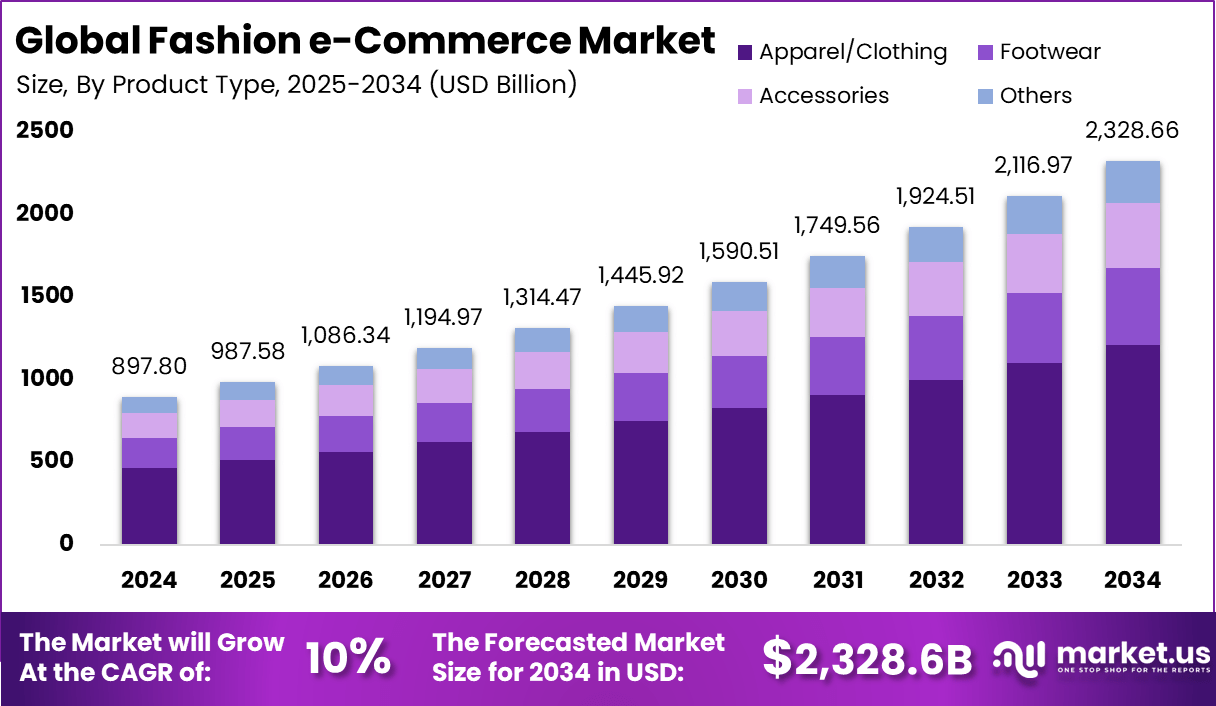
The global fashion e-commerce market is experiencing steady growth as digital shopping continues to redefine the retail landscape. Consumers are increasingly shifting from traditional in-store purchases to online platforms that offer convenience, product variety, and personalized experiences. This transition is pushing fashion retailers to adopt advanced technologies and innovative strategies to remain competitive in a fast-changing marketplace.
A major growth driver is the increasing use of smartphones and high-speed internet access. Mobile commerce has become essential to fashion retail, allowing consumers to browse collections, compare prices, and complete purchases instantly. Retailers are improving app performance and simplifying checkout processes to create frictionless shopping journeys.
Artificial intelligence is further accelerating market expansion. Fashion brands are using AI-powered tools to deliver personalized recommendations based on customer behavior, browsing history, and style preferences. These intelligent systems help shoppers discover relevant products while enabling retailers to increase engagement and improve conversion rates.
Social commerce is also reshaping the market. Platforms such as Instagram and TikTok are becoming direct sales channels where consumers can discover fashion trends and purchase products instantly. Influencer marketing and live shopping events are helping brands connect with digitally active audiences and build stronger trust.
Sustainability is another key factor influencing consumer choices. Buyers are increasingly seeking ethical brands that focus on eco-friendly materials, transparent sourcing, and responsible production. In response, fashion e-commerce companies are expanding sustainable product collections and adopting greener supply chain practices.
The market does face challenges, including return logistics, intense competition, and counterfeit concerns. However, technological innovation continues to create solutions that improve customer satisfaction and operational efficiency.
Looking ahead, augmented reality fitting rooms, virtual styling tools, and smarter AI-driven personalization will shape the future of online fashion retail. These advancements will create more engaging shopping experiences and strengthen consumer confidence.
The fashion e-commerce market is set to remain one of the most dynamic sectors in global digital commerce.
Read Full Report:
https://market.us/report/fashion-e-commerce-market/Fashion E-Commerce Market Gains Momentum with Evolving Consumer Trends
The global fashion e-commerce market is experiencing steady growth as digital shopping continues to redefine the retail landscape. Consumers are increasingly shifting from traditional in-store purchases to online platforms that offer convenience, product variety, and personalized experiences. This transition is pushing fashion retailers to adopt advanced technologies and innovative strategies to remain competitive in a fast-changing marketplace.
A major growth driver is the increasing use of smartphones and high-speed internet access. Mobile commerce has become essential to fashion retail, allowing consumers to browse collections, compare prices, and complete purchases instantly. Retailers are improving app performance and simplifying checkout processes to create frictionless shopping journeys.
Artificial intelligence is further accelerating market expansion. Fashion brands are using AI-powered tools to deliver personalized recommendations based on customer behavior, browsing history, and style preferences. These intelligent systems help shoppers discover relevant products while enabling retailers to increase engagement and improve conversion rates.
Social commerce is also reshaping the market. Platforms such as Instagram and TikTok are becoming direct sales channels where consumers can discover fashion trends and purchase products instantly. Influencer marketing and live shopping events are helping brands connect with digitally active audiences and build stronger trust.
Sustainability is another key factor influencing consumer choices. Buyers are increasingly seeking ethical brands that focus on eco-friendly materials, transparent sourcing, and responsible production. In response, fashion e-commerce companies are expanding sustainable product collections and adopting greener supply chain practices.
The market does face challenges, including return logistics, intense competition, and counterfeit concerns. However, technological innovation continues to create solutions that improve customer satisfaction and operational efficiency.
Looking ahead, augmented reality fitting rooms, virtual styling tools, and smarter AI-driven personalization will shape the future of online fashion retail. These advancements will create more engaging shopping experiences and strengthen consumer confidence.
The fashion e-commerce market is set to remain one of the most dynamic sectors in global digital commerce.
Read Full Report: https://market.us/report/fashion-e-commerce-market/














 English
 Arabic
 French
 Spanish
 Portuguese
 Deutsch
 Turkish
 Dutch
Dutch
 Russian
 Romaian
 Portuguese (Brazil)
 Greek
Greek