


How Did Edward Lear Contribute to the Genre of Limericks?
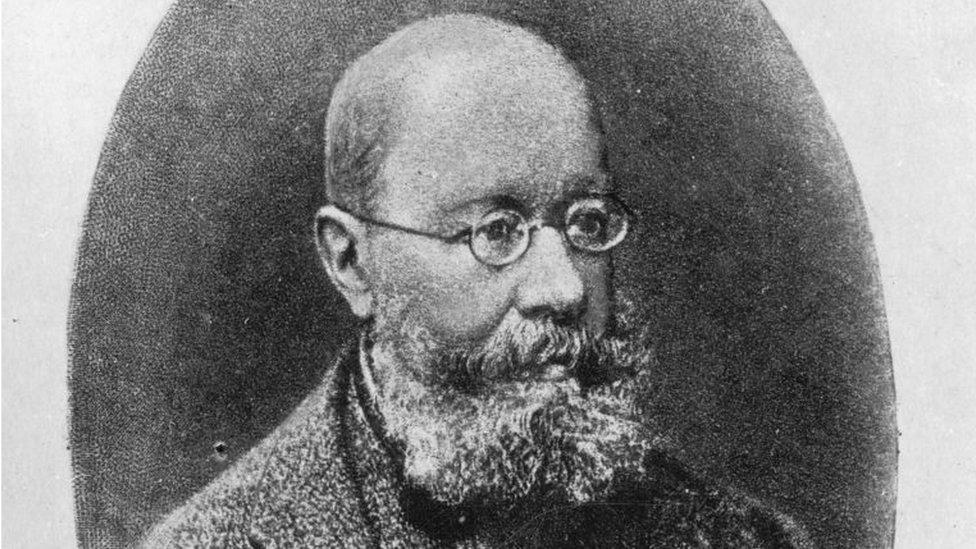
Edward Lear is often credited with popularizing the limerick in English literature. His whimsical style, inventive language, and playful rhythm helped establish the limerick as a recognizable and enduring poetic form. Lear’s work combined humor with creativity, appealing to both children and adults. Through his art, he transformed short, humorous verse into a celebrated literary genre. This article explores how Edward Lear contributed to the development, style, and cultural significance of limericks.
The Origins of the Limerick Form
Historical Context
Before Edward Lear, limericks existed in oral traditions. They were short, humorous verses often with a bawdy tone. They relied on a simple AABBA rhyme scheme. The rhythm was lively and intended for recitation. However, limericks were not widely recognized in literary circles. They were considered folk entertainment rather than serious poetry. Edward Lear transformed the limerick from informal jest to an artistic form. He brought structure, style, and creativity to a previously casual tradition.
Lear’s Standardization of Form
Edward Lear standardized the limerick’s form. He consistently used five lines with the AABBA rhyme scheme. The first, second, and fifth lines were longer. The third and fourth lines were shorter. This created a rhythmic balance. It also established the musicality that made limericks memorable. Lear’s work demonstrated that these short verses could combine strict form with playful content. By doing this, he elevated the limerick to a literary art form.
Edward Lear’s Style and Language
Inventive Language
Edward Lear’s limericks are notable for inventive language. He used nonsense words, playful sounds, and unusual names. This creativity encouraged imagination. It also made his limericks humorous and memorable. Words were chosen for their sound as well as meaning. Lear’s approach influenced generations of writers. His playful language made the limerick an appealing medium for children and adults alike.
Humor and Absurdity
Humor is central to Lear’s limericks. He used absurd situations, exaggerated characters, and improbable events. These elements created delight and surprise. Laughter arises from the unexpected and the exaggerated. Lear’s humor is lighthearted rather than cruel. It emphasizes joy, curiosity, and whimsy. By combining humor with structure, Lear showed that limericks could entertain while maintaining poetic artistry.
Themes and Subjects in Lear’s Limericks
Nonsense and Imagination
Edward Lear’s limericks often explore nonsense and imagination. He created characters with whimsical names. They engaged in absurd adventures. Cities, animals, and objects often behaved unpredictably. These elements invite readers to enter a world unconstrained by logic. Nonsense becomes a form of creativity. It encourages readers to think beyond ordinary experience. Lear’s work expanded the thematic possibilities of limericks beyond mere humor.
Playfulness and Accessibility
Lear ensured that limericks were accessible to all readers. His verses were short, simple, and rhythmic. They could be read aloud easily. This made them suitable for children. At the same time, adults appreciated the clever wordplay. The accessibility of his work helped popularize limericks widely. It allowed the genre to cross age, class, and educational boundaries. Lear demonstrated that literary merit could coexist with broad appeal.
Illustrations and Integration of Visuals
Illustrated Limericks
Edward Lear often paired limericks with illustrations. These drawings enhanced the humor and imagination. The combination of text and image created a multi-sensory experience. Visuals emphasized absurdity and character. They allowed readers to visualize fantastical elements. The integration of illustrations helped cement the limerick’s popularity. Lear’s approach showed that poetry could be playful, visual, and literary simultaneously.
Influence on Children’s Literature
By combining limericks and illustrations, Lear influenced the development of children’s literature. He created a model for playful, accessible, and imaginative poetry. His works inspired future writers to combine words and images. The limerick became not only a humorous verse but also a teaching and storytelling tool. Lear’s influence continues in modern children’s books, cartoons, and nursery rhymes.
Edward Lear’s Cultural Impact
Popularizing the Limerick
Edward Lear brought limericks into public awareness. Before him, limericks were largely oral and informal. Lear published collections of limericks in books. His most famous collection, “A Book of Nonsense,” appeared in 1846. The work included dozens of limericks with playful illustrations. It became widely read and celebrated. Lear transformed limericks from ephemeral jokes into enduring literature.
Influence on Later Writers
Lear’s limericks influenced many poets and humorists. Writers adopted his playful tone and inventive language. The structure, rhythm, and humor of Lear’s limericks became standard. They inspired generations of authors in both children’s and adult literature. His impact extends to popular culture, advertising, and media. Limericks continue to be written in the spirit of Lear’s creativity and whimsy.
Legacy and Enduring Significance
Limericks as Art
Edward Lear demonstrated that limericks could be a legitimate form of art. They could combine form, humor, and creativity. They could appeal to both children and adults. The limerick became a versatile poetic tool. Lear showed that short verse could carry intellectual and artistic value. The genre gained respectability in literary circles as a result of his contributions.
Continued Popularity
Limericks remain popular today because of Edward Lear’s influence. His standardization of form and playful style endure. Writers and readers continue to celebrate absurdity and imagination. Lear’s work shows that poetry can entertain while showcasing linguistic creativity. His limericks continue to teach, amuse, and inspire. The genre he popularized remains a vibrant part of English literature.
Conclusion
Edward Lear’s contribution to the genre of limericks is profound. He standardized the form, popularized the rhyme scheme, and introduced inventive language. His humor, nonsense, and playful illustrations transformed limericks into celebrated literary works. He bridged the gap between children’s literature and sophisticated poetic artistry. Lear’s work influenced generations of writers and expanded the cultural significance of short, humorous verse. Through Edward Lear, the limerick evolved from oral folk tradition into a recognized and enduring poetic form, blending joy, creativity, and imagination.
 Greek
Greek
 English
 Arabic
 French
 Spanish
 Portuguese
 Deutsch
 Turkish
 Dutch
Dutch
 Italiano
 Russian
 Romaian
 Portuguese (Brazil)