


Understanding the Role of the Clamp Tonsil in Modern Surgery
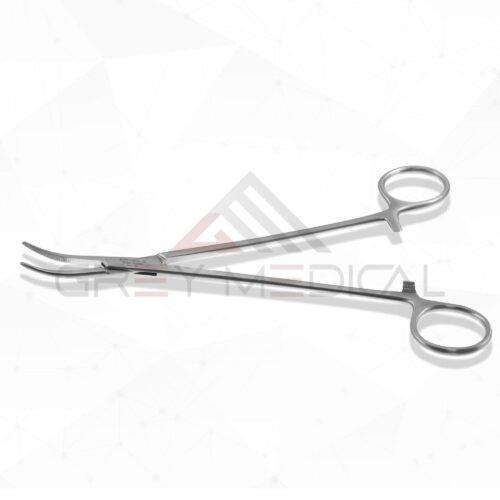
Tonsillectomy, the surgical removal of the tonsils, is one of the most common procedures performed worldwide. Behind the success of this routine operation lies a collection of specialized instruments, each designed with precision and a specific purpose. Among these, the clamp tonsil is a critical tool that plays a significant role in ensuring patient safety and procedural efficiency. Its design and function are a testament to the continuous innovation happening within medical technology.
This instrument is essential for surgeons to achieve hemostasis, which is the control of bleeding. During a tonsillectomy, managing blood loss is a top priority. The proper use of a tonsil clamp allows the surgical team to maintain a clear field of view and minimize complications. As surgical techniques evolve, so do the instruments, reflecting a deep understanding of anatomy and the physical demands of the operating room.
The Anatomy of a Tonsillectomy and the Clamp's Function
To appreciate the importance of a tonsil clamp, it's helpful to understand the tonsillectomy procedure itself. The tonsils are located in a vascular area at the back of the throat, surrounded by a network of blood vessels. When they are removed, these vessels must be carefully managed to prevent excessive bleeding both during and after the surgery. This is where the specialized clamp comes into play.
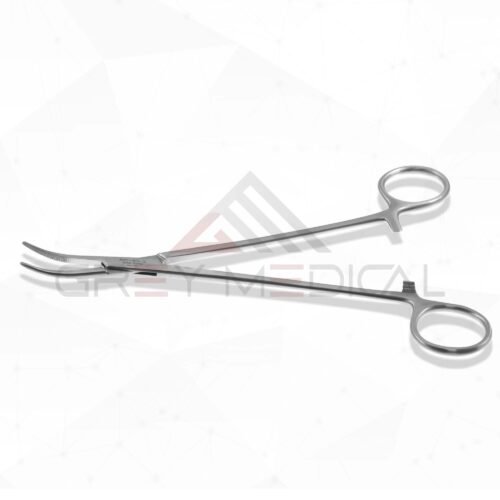
A surgeon uses the medical instruments to securely grasp and compress the tissue and blood vessels at the base of the tonsil before making an incision. This action effectively pinches the vessels shut, a process known as ligation. By controlling the blood flow from the outset, the surgeon can proceed with the removal of the tonsil in a more controlled and safer environment. The instrument's jaws are specifically designed to hold tissue firmly without causing unnecessary trauma to the surrounding area.
Design and Variation in Tonsil Clamps
Not all tonsil clamps are created equal. The design of these instruments has been refined over many years to meet the specific needs of surgeons and the delicate nature of throat surgery. Variations exist in the size, shape, and curvature of the clamp's jaws. Some may have serrated surfaces for a better grip, while others feature a more delicate design for pediatric cases where the anatomical structures are smaller.
The material used to construct these instruments is also of paramount importance. Surgical-grade stainless steel is the standard, chosen for its durability, resistance to corrosion, and ability to be sterilized effectively. The handle mechanism, often featuring a ratchet lock, allows the surgeon to apply and maintain consistent pressure without manual fatigue. This locking feature is crucial, as it frees the surgeon's hands to perform other tasks while the clamp tonsil holds the tissue securely in place.
The Impact of High-Quality Instruments on Surgical Outcomes
The quality of a surgical instrument directly correlates with the outcome of a procedure. A well-crafted clamp tonsil ensures reliable performance when it matters most. Inferior instruments can fail, potentially leading to slippage, inadequate pressure, or even breakage during a delicate operation. Such events can cause delays, increase the risk of bleeding, and lead to more significant post-operative complications for the patient.
Hospitals and surgical centers recognize that investing in high-quality instruments is an investment in patient safety. A dependable tonsil clamp allows surgeons to perform with confidence and precision. The tactile feedback from a well-made instrument enables the surgeon to feel the tissue and apply the appropriate amount of force. This level of control is fundamental to the art and science of surgery, where success is often measured in millimeters and seconds.
Conclusion: A Commitment to Excellence in Surgical Tools
The humble clamp tonsil is a perfect example of how specialized tools are vital for the success of modern surgical procedures. Its role in controlling bleeding during a tonsillectomy is indispensable for ensuring patient safety and enabling surgeons to work efficiently. The precision engineering behind its design, from the specific curvature of its jaws to the reliability of its locking mechanism, highlights the importance of quality in every aspect of medical device manufacturing.
At GreyMedical®, our dedication to innovation and excellence is woven into the very fabric of every instrument we craft. We understand that surgeons depend on our tools to perform at their best. By focusing on superior materials, ergonomic design, and unwavering quality, we provide the instruments that empower medical professionals to achieve the best possible outcomes for their patients. This commitment drives us to continue refining and perfecting the tools that are essential in operating rooms around the world.
 Greek
Greek
 English
 Arabic
 French
 Spanish
 Portuguese
 Deutsch
 Turkish
 Dutch
Dutch
 Italiano
 Russian
 Romaian
 Portuguese (Brazil)