


Sewage Water Pumps: Key Features and Selection Criteria
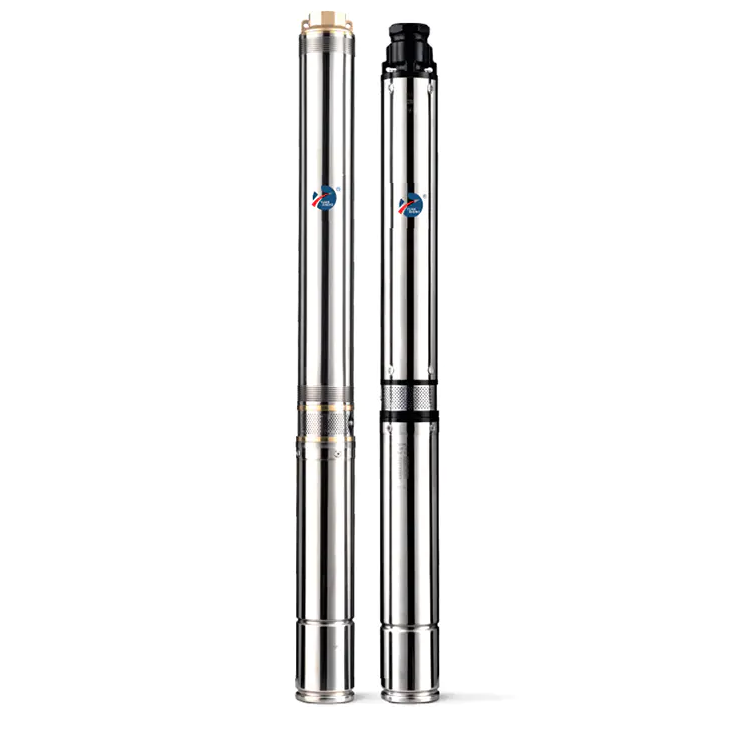
Sewage water pumps play a crucial role in maintaining the functionality of wastewater systems across residential, commercial, and industrial sectors. These pumps are designed to move wastewater and sewage from one location to another, typically from lower to higher elevations, ensuring proper drainage and treatment. Without efficient sewage water pumps, cities and towns would face serious sanitation issues, leading to potential health risks and environmental damage.
One of the key functions of a sewage water pump is to remove wastewater from homes, businesses, and other facilities to a central treatment facility. Wastewater typically contains a variety of contaminants, including chemicals, food waste, human waste, and other debris. Sewage pumps are designed to handle these materials and transport them through pipelines to treatment plants, where the water undergoes filtration and disinfection processes to ensure it meets environmental safety standards.
The design of a sewage water pump is optimized for durability and efficiency. These pumps are built to withstand the harsh conditions typically found in sewage systems, such as high moisture content, chemicals, and solid waste. Made from corrosion-resistant materials like stainless steel or heavy-duty plastics, sewage water pumps can operate effectively for extended periods without requiring frequent maintenance. This makes them an essential component in wastewater management systems, as they are designed to handle heavy-duty use and continue functioning even in challenging conditions.
Another important feature of sewage water pumps is their ability to handle both solid and liquid waste. Unlike general-purpose water pumps, sewage water pumps are equipped with powerful impellers and larger inlets, enabling them to move debris such as plastic, sticks, and rags without clogging the system. This makes them ideal for pumping wastewater from septic tanks, sump pits, and stormwater systems, where solid waste is often present.
Sewage water pumps are available in various configurations depending on the specific needs of the application. Submersible pumps, for example, are often used for residential sewage systems and are designed to be placed underwater. These pumps are compact, efficient, and easy to install. On the other hand, centrifugal sewage water pumps are more commonly used in larger-scale applications, such as municipal sewage treatment plants or industrial facilities. These pumps work by using centrifugal force to move wastewater through the system, providing high flow rates and consistent performance.
In addition to their primary function of wastewater transportation, sewage water pumps also help maintain the health of the surrounding environment. By efficiently transporting sewage to treatment facilities, these pumps prevent waste from accumulating in low-lying areas, reducing the risk of flooding and contamination of nearby water bodies. This is particularly important in regions that are prone to heavy rainfall or natural disasters, where improper sewage management can exacerbate flooding and lead to serious public health concerns.
Furthermore, the installation of high-quality sewage water pumps in residential and industrial systems helps minimize the risk of costly repairs and downtime. Regular maintenance and monitoring of sewage pumps ensure that they continue to function efficiently, preventing blockages, mechanical failures, and other issues that could disrupt the wastewater system. In many cases, modern sewage pumps are equipped with sensors and monitoring systems that alert operators to any potential problems, allowing for timely repairs before they escalate into major issues.
In conclusion, sewage water pumps are vital to the effective operation of wastewater management systems, helping transport wastewater and sewage safely and efficiently to treatment plants. Their durability, efficiency, and ability to handle solid and liquid waste make them indispensable in maintaining sanitation and preventing environmental contamination. Whether in residential homes, industrial facilities, or municipal systems, sewage water pumps are essential for maintaining public health and safety.
 Portuguese
 English
 Arabic
 French
 Spanish
 Deutsch
 Turkish
 Dutch
Dutch
 Italiano
 Russian
 Romaian
 Portuguese (Brazil)
 Greek
Greek