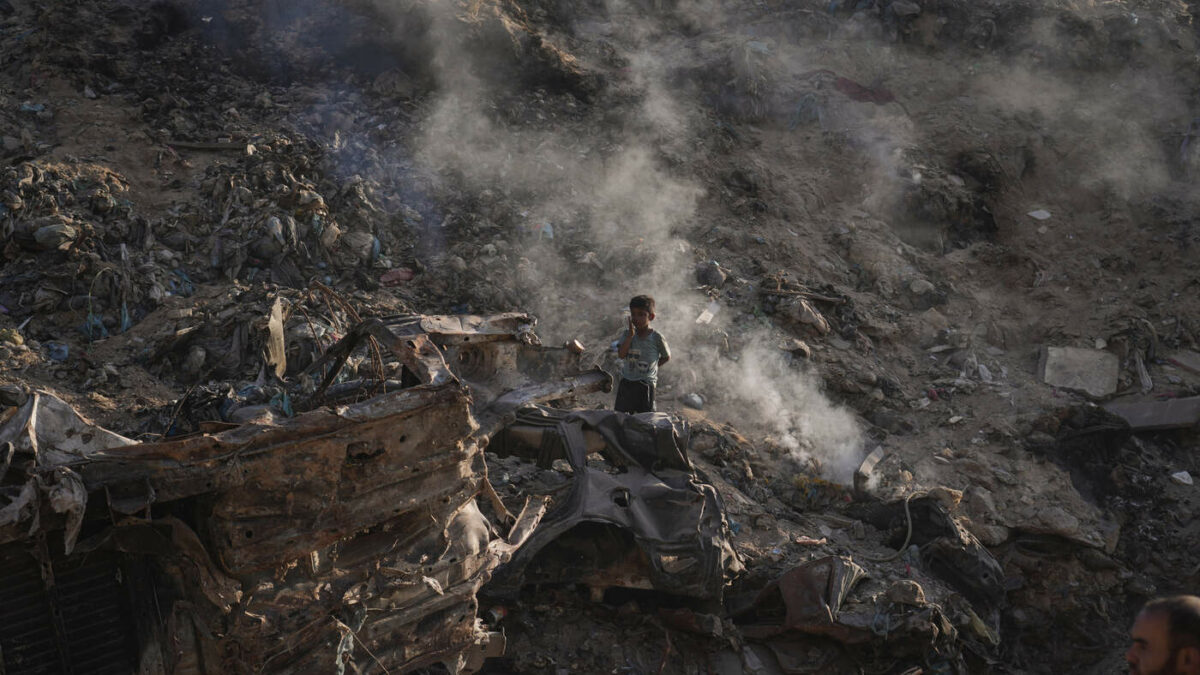
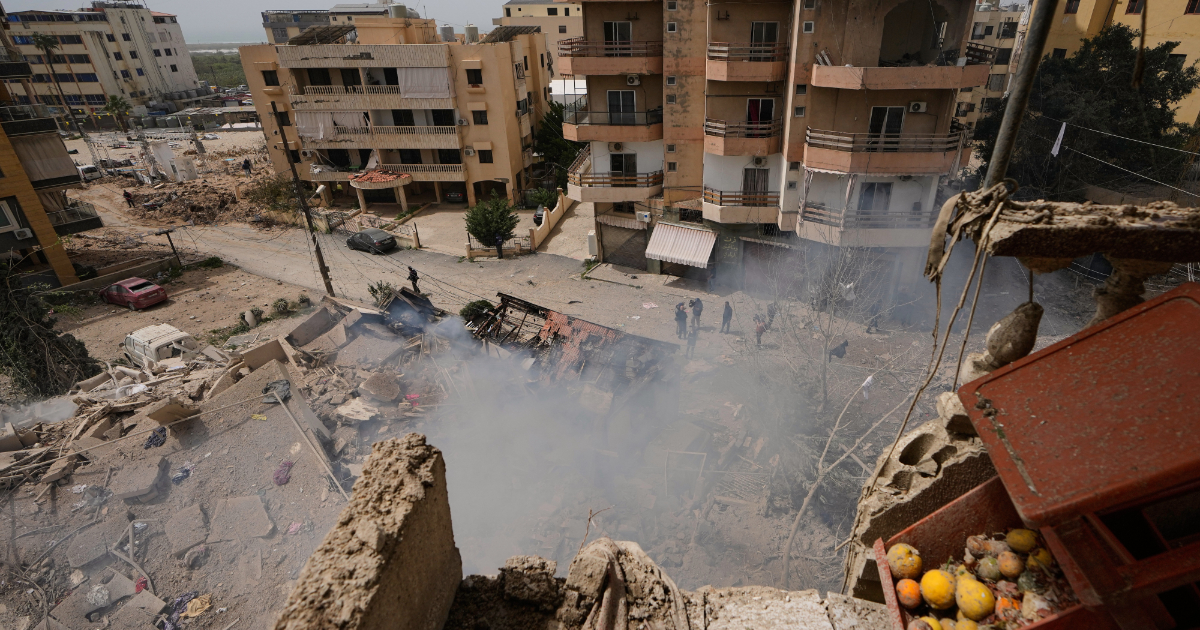
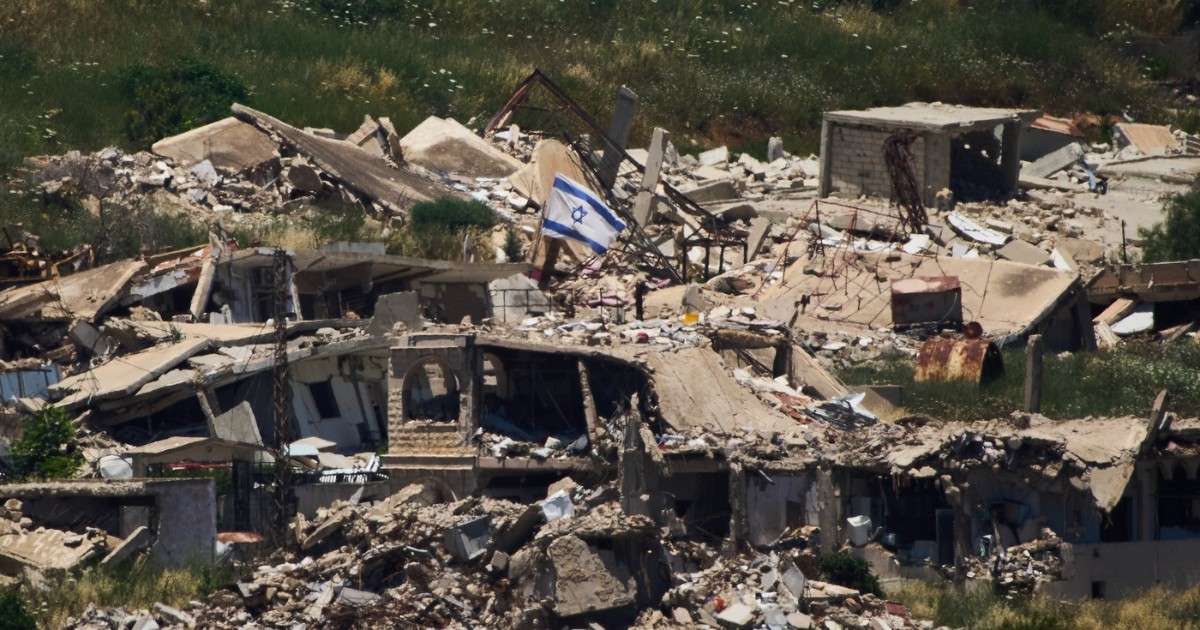
Tra le macerie di Tallet al-Khayat, a Beirut, l'8 aprile 2026, è stato ritrovato il corpo della poetessa libanese Khatun Salma, insieme a quello del marito Muhammad Karasht. Non lontano da loro, una copia sfregiata di Ventiquattro ore nella vita di una donna di Stefan Zweig.
Qualcuno ha visto. Qualcuno ha capito subito. E ha diffuso le due immagini insieme - il corpo e il libro strappato - come si diffonde una verità che non ha bisogno di didascalie.
Khatun Salma aveva scritto:
قد أكون الضحيّة / الشهيدة إن شاؤوا
في الصدع فأس / في الصدر جرح
أمدّ يدي اليمنى / تليها اليسرى / ربّما معاً ننجو
Potrei essere la vittima / la martire, se così vogliono
nella fessura un'ascia / nel petto una ferita
tendo la mano destra / poi la sinistra / forse insieme sopravviviamo
Non sono sopravvissuti insieme.
Forse stava leggendo Zweig quella sera. Forse cercava in quelle pagine una chiave per capire l'oscurità del fascismo di ieri e riconoscere meglio quella di oggi. Il fascismo l'ha raggiunta mentre leggeva. È entrato in casa sua senza chiedere il permesso, come fa sempre, come ha sempre fatto.
L'operazione si chiama “Oscurità Eterna”. Cinquanta caccia, centosessanta bombe, cento obiettivi, dieci minuti. Nessuno cercava lei in particolare. Non serve cercare un poeta per ucciderlo, basta decidere che lo spazio in cui vive è sacrificabile. Con tutto ciò che contiene: corpi, voci, libri, versi.
Zweig si era suicidato in Brasile nel febbraio del 1942, in fuga da un'Europa che aveva smesso di essere abitabile per chi pensava e scriveva. Ottant'anni dopo, i libanesi che hanno diffuso quelle due immagini stavano facendo la stessa cosa che faceva lui: cercare di dare un nome a ciò che li sta distruggendo. Con gli stessi strumenti culturali che vengono distrutti insieme a loro.
Non è la prima volta. A Gaza, il 6 dicembre 2023, Israele ha bombardato chirurgicamente l'appartamento in cui si trovava il poeta Refaat Alareer, uccidendo lui, suo fratello, sua sorella e tre nipoti. Poche settimane prima aveva scritto: “Se devo morire, che sia un racconto”. Con lui sono stati uccisi la poetessa Heba Abu Nada, il romanziere Omar Abu Shawish, la pittrice Heba Zaqout, la scrittrice Halima Al Kahlout e decine di altri artisti e intellettuali di cui i nomi rischiano di restare sepolti sotto le statistiche. Prima di loro, nel 1972, Ghassan Kanafani - scrittore, drammaturgo, voce della resistenza palestinese - era stato assassinato a Beirut da un'autobomba del Mossad.
C'è una linea che attraversa i decenni. Il fascismo, in tutte le sue forme, ha sempre saputo che i poeti sono pericolosi non perché imbracciano armi, ma perché nominano le cose. E nominare le cose è il primo atto di resistenza. Per questo li cerca, li bombarda, li seppellisce sotto le macerie con o senza nome.
“Se devo morire, che sia un racconto”, aveva scritto Alareer.
Khatun Salma è diventata un racconto. Come Refaat. Come tutti quelli che il fascismo vuole ridurre a numero e riesce invece a trasformare in voce.
Di Tahar Lamri
On April 8, 2026, the body of Lebanese poet Khatun Salma was found in the rubble of Tallet al-Khayat, Beirut, along with that of her husband Muhammad Karasht. Not far from them was a defaced copy of Stefan Zweig's Twenty-Four Hours in the Life of a Woman.
Someone saw. Someone understood immediately. And they shared the two images together—the body and the torn book—like a truth that needs no caption.
Khatun Salma had written:
قد أكون الضحيّة / الشهيدة إن شاؤوا
في الصدع فأس / في الصدر جرح
أمدّ يدي اليمنى / تليها اليسرى / ربّما معاً ننجو
I could be the victim/martyr if they so choose
in the crack an ax / in the chest a wound
I hold out my right hand / then my left / maybe together We survive
They didn't survive together.
Perhaps she was reading Zweig that evening. Perhaps she was searching in those pages for a key to understanding the darkness of fascism yesterday and better recognizing that of today. Fascism caught up with her while she was reading. It entered her home without asking permission, as it always does, as it always has.
The operation is called "Eternal Darkness." Fifty fighters, one hundred and sixty bombs, one hundred targets, ten minutes. No one was looking for her in particular. There's no need to look for a poet to kill him, just decide that the space she lives in is expendable. With everything it contains: bodies, voices, books, verses.
Zweig committed suicide in Brazil in February 1942, fleeing a Europe that had ceased to be habitable for those who thought and wrote. Eighty years later, the Lebanese who spread those two images were doing the same thing he was doing: trying to give a name to what is destroying them. With the same cultural tools that are being destroyed along with them.
It's not the first time. In Gaza, on December 6, 2023, Israel surgically bombed the apartment where poet Refaat Alareer was staying, killing him, his brother, his sister, and three nephews. A few weeks earlier, he had written: "If I must die, let it be a story." Killed along with him were poet Heba Abu Nada, novelist Omar Abu Shawish, painter Heba Zaqout, writer Halima Al Kahlout, and dozens of other artists and intellectuals whose names risk being buried under statistics. Before them, in 1972, Ghassan Kanafani—writer, playwright, voice of the Palestinian resistance—was assassinated in Beirut by a Mossad car bomb.
There's a line that runs through the decades. Fascism, in all its forms, has always known that poets are dangerous not because they bear arms, but because they name things. And naming things is the first act of resistance. That's why it seeks them out, bombs them, buries them under rubble, with or without a name.
"If I must die, let it be a story," Alareer wrote.
Khatun Salma has become a story. Like Refaat. Like all those whom fascism seeks to reduce to a number and instead succeeds in transforming into a voice.
By Tahar Lamri
Tra le macerie di Tallet al-Khayat, a Beirut, l'8 aprile 2026, è stato ritrovato il corpo della poetessa libanese Khatun Salma, insieme a quello del marito Muhammad Karasht. Non lontano da loro, una copia sfregiata di Ventiquattro ore nella vita di una donna di Stefan Zweig.
Qualcuno ha visto. Qualcuno ha capito subito. E ha diffuso le due immagini insieme - il corpo e il libro strappato - come si diffonde una verità che non ha bisogno di didascalie.
Khatun Salma aveva scritto:
قد أكون الضحيّة / الشهيدة إن شاؤوا
في الصدع فأس / في الصدر جرح
أمدّ يدي اليمنى / تليها اليسرى / ربّما معاً ننجو
Potrei essere la vittima / la martire, se così vogliono
nella fessura un'ascia / nel petto una ferita
tendo la mano destra / poi la sinistra / forse insieme sopravviviamo
Non sono sopravvissuti insieme.
Forse stava leggendo Zweig quella sera. Forse cercava in quelle pagine una chiave per capire l'oscurità del fascismo di ieri e riconoscere meglio quella di oggi. Il fascismo l'ha raggiunta mentre leggeva. È entrato in casa sua senza chiedere il permesso, come fa sempre, come ha sempre fatto.
L'operazione si chiama “Oscurità Eterna”. Cinquanta caccia, centosessanta bombe, cento obiettivi, dieci minuti. Nessuno cercava lei in particolare. Non serve cercare un poeta per ucciderlo, basta decidere che lo spazio in cui vive è sacrificabile. Con tutto ciò che contiene: corpi, voci, libri, versi.
Zweig si era suicidato in Brasile nel febbraio del 1942, in fuga da un'Europa che aveva smesso di essere abitabile per chi pensava e scriveva. Ottant'anni dopo, i libanesi che hanno diffuso quelle due immagini stavano facendo la stessa cosa che faceva lui: cercare di dare un nome a ciò che li sta distruggendo. Con gli stessi strumenti culturali che vengono distrutti insieme a loro.
Non è la prima volta. A Gaza, il 6 dicembre 2023, Israele ha bombardato chirurgicamente l'appartamento in cui si trovava il poeta Refaat Alareer, uccidendo lui, suo fratello, sua sorella e tre nipoti. Poche settimane prima aveva scritto: “Se devo morire, che sia un racconto”. Con lui sono stati uccisi la poetessa Heba Abu Nada, il romanziere Omar Abu Shawish, la pittrice Heba Zaqout, la scrittrice Halima Al Kahlout e decine di altri artisti e intellettuali di cui i nomi rischiano di restare sepolti sotto le statistiche. Prima di loro, nel 1972, Ghassan Kanafani - scrittore, drammaturgo, voce della resistenza palestinese - era stato assassinato a Beirut da un'autobomba del Mossad.
C'è una linea che attraversa i decenni. Il fascismo, in tutte le sue forme, ha sempre saputo che i poeti sono pericolosi non perché imbracciano armi, ma perché nominano le cose. E nominare le cose è il primo atto di resistenza. Per questo li cerca, li bombarda, li seppellisce sotto le macerie con o senza nome.
“Se devo morire, che sia un racconto”, aveva scritto Alareer.
Khatun Salma è diventata un racconto. Come Refaat. Come tutti quelli che il fascismo vuole ridurre a numero e riesce invece a trasformare in voce.
Di Tahar Lamri
On April 8, 2026, the body of Lebanese poet Khatun Salma was found in the rubble of Tallet al-Khayat, Beirut, along with that of her husband Muhammad Karasht. Not far from them was a defaced copy of Stefan Zweig's Twenty-Four Hours in the Life of a Woman.
Someone saw. Someone understood immediately. And they shared the two images together—the body and the torn book—like a truth that needs no caption.
Khatun Salma had written:
قد أكون الضحيّة / الشهيدة إن شاؤوا
في الصدع فأس / في الصدر جرح
أمدّ يدي اليمنى / تليها اليسرى / ربّما معاً ننجو
I could be the victim/martyr if they so choose
in the crack an ax / in the chest a wound
I hold out my right hand / then my left / maybe together We survive
They didn't survive together.
Perhaps she was reading Zweig that evening. Perhaps she was searching in those pages for a key to understanding the darkness of fascism yesterday and better recognizing that of today. Fascism caught up with her while she was reading. It entered her home without asking permission, as it always does, as it always has.
The operation is called "Eternal Darkness." Fifty fighters, one hundred and sixty bombs, one hundred targets, ten minutes. No one was looking for her in particular. There's no need to look for a poet to kill him, just decide that the space she lives in is expendable. With everything it contains: bodies, voices, books, verses.
Zweig committed suicide in Brazil in February 1942, fleeing a Europe that had ceased to be habitable for those who thought and wrote. Eighty years later, the Lebanese who spread those two images were doing the same thing he was doing: trying to give a name to what is destroying them. With the same cultural tools that are being destroyed along with them.
It's not the first time. In Gaza, on December 6, 2023, Israel surgically bombed the apartment where poet Refaat Alareer was staying, killing him, his brother, his sister, and three nephews. A few weeks earlier, he had written: "If I must die, let it be a story." Killed along with him were poet Heba Abu Nada, novelist Omar Abu Shawish, painter Heba Zaqout, writer Halima Al Kahlout, and dozens of other artists and intellectuals whose names risk being buried under statistics. Before them, in 1972, Ghassan Kanafani—writer, playwright, voice of the Palestinian resistance—was assassinated in Beirut by a Mossad car bomb.
There's a line that runs through the decades. Fascism, in all its forms, has always known that poets are dangerous not because they bear arms, but because they name things. And naming things is the first act of resistance. That's why it seeks them out, bombs them, buries them under rubble, with or without a name.
"If I must die, let it be a story," Alareer wrote.
Khatun Salma has become a story. Like Refaat. Like all those whom fascism seeks to reduce to a number and instead succeeds in transforming into a voice.
By Tahar Lamri