


3 Key Points of Bolt Tightening
Bolts are essential components used in various applications, and their performance depends on proper tightening. Different types of bolts, such as stainless steel bolts, iron bolts, alloy steel bolts, and plastic bolts, serve specific purposes. Bolts are crucial in important joint positions, and understanding the tightening process is vital for their effective use.
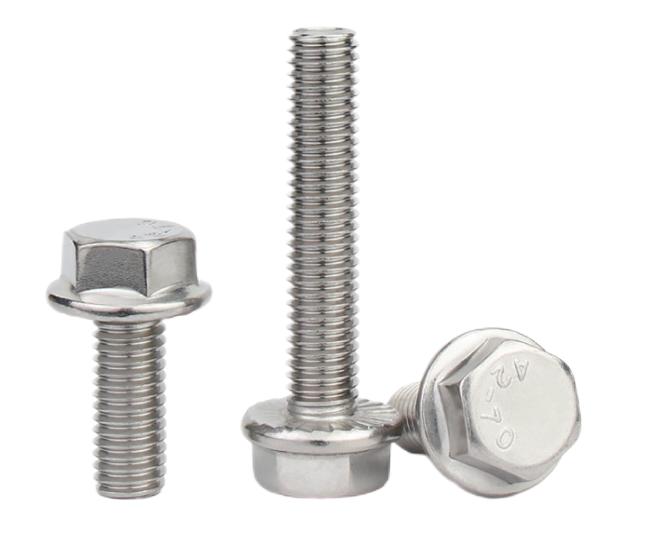
Factors Affecting Bolt Tightening
When choosing a bolt, consider the performance grade mark on the head, which indicates the bolt's yield strength and tensile strength. Higher values suggest lower risks of fracture and thread slipping during tightening. Over-tightening can lead to deformation and permanent damage to the bolt. Hence, bolts should be tightened to their specified torque as indicated during fastening. Selecting bolts with the highest performance grade may not always be ideal, as excessive strength may damage the equipment. Instead, choose bolts that suit the specific usage scenario.
Benefits of Bolt Tightening
Tightening bolts generates an initial pre-tightening force, offering several benefits:
Transmitting Lateral Force or Torque: Pre-tightening creates pressure between connector contact surfaces, allowing the transmission of lateral forces via friction. This reduces shear and compressive stress on the bolts, enhancing safety.
Sealing: In pressure pipes or vessels, proper pre-tightening ensures a seal. The total pre-tightening force should exceed the fluid pressure between contact surfaces.
Preventing Structural Slit: Fatigue-loaded bolted connections must avoid gaps between parts. Seams can cause rapid increases in bolt pulling force, leading to potential slippage and damage.
Improving Bolt Fatigue Life Through Tightening
The fatigue life of bolts depends on material fatigue strength, stress amplitude, average stress, and frequency of stress cycles. To extend fatigue life, the amplitude of alternating stress or average stress must be reduced. Properly tightening bolts using design torque reduces stress range, improving fatigue life of bolts.
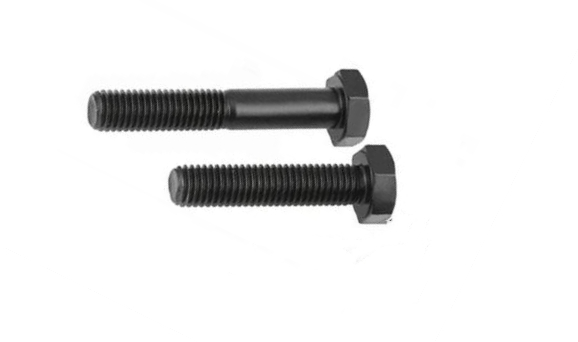
When bolts are tightened to the design torque, they experience smaller stress changes, leading to longer fatigue life. Ensuring bolts remain connected to external loads helps reduce stress variation. Properly designing pre-tightening forces maximizes the utilization of bolt materials, optimizing fatigue life.
Summary
This article examines three key aspects of bolt tightening: factors influencing tightening, benefits of bolt tightening, and how tightening enhances bolt fatigue life. Selecting the right bolts and tightening them to their specified torque ensures their effective use in various applications. Proper bolt tightening is vital to maintaining the safety, stability, and longevity of structures and equipment.
 Italiano
 English
 Arabic
 French
 Spanish
 Portuguese
 Deutsch
 Turkish
 Dutch
Dutch
 Russian
 Romaian
 Portuguese (Brazil)
 Greek
Greek