


How the Heft and Heftiness of Pressed Cookware Affect Culinary Results
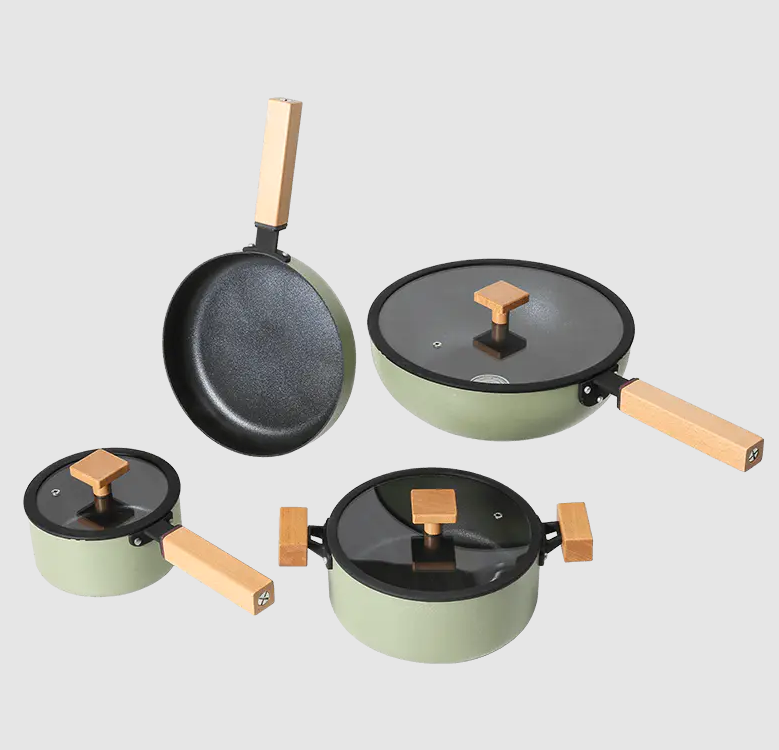
Pressed cookware, with its precision manufacturing process, has become a popular choice for many chefs and home cooks alike. The weight and thickness of these cookware pieces play a significant role in how food is cooked, retaining heat, and overall cooking performance. This article aims to explore the intricacies of how the physical properties of pressed cookware influence the culinary experience.
The weight of pressed cookware is a critical factor that affects its heat distribution and retention capabilities. Heavier pressed cookware, due to its greater mass, can absorb and retain heat more effectively than lighter alternatives. This characteristic is particularly advantageous when cooking methods require even heat distribution over an extended period, such as in braising or simmering. The ability of pressed cookware to maintain a consistent temperature ensures that food cooks evenly, reducing the risk of hot spots that can lead to uneven cooking or burning.
On the other hand, lighter pressed cookware offers its own set of benefits. It is easier to handle, especially for those with limited strength or mobility, and it heats up and cools down more quickly. This rapid response to temperature changes can be beneficial for quick cooking tasks, such as searing or stir-frying, where precise control over temperature changes is essential. However, lighter pressed cookware may not retain heat as well, which could lead to a loss of heat during cooking, requiring more frequent adjustments to the heat source.
The thickness of pressed cookware is another dimension that significantly impacts cooking results. Thicker cookware walls provide better insulation, which means that once heated, they take longer to lose their heat. This can be ideal for cooking methods where a slow, steady heat is required, such as in cooking delicate sauces or melting chocolate. Thicker pressed cookware also tends to be more durable and resistant to warping, a common issue with thinner cookware, especially when exposed to high heat or uneven heating sources.
Conversely, thinner pressed cookware heats up more quickly, which is ideal for high-heat cooking techniques like frying or sautéing. The rapid heat-up time allows for faster cooking and can help to seal in the juices of meats and vegetables, enhancing the flavor of the dish. However, the downside of thinner cookware is that it may not distribute heat as evenly, potentially leading to hot spots or the need for more attentive stirring and monitoring during cooking.
The combination of weight and thickness in pressed cookware also has implications for energy efficiency. Heavier and thicker pressed cookware may require more energy to heat up initially, but once at the desired temperature, they can maintain that temperature with less additional energy input. This can be more energy-efficient in the long run, especially for longer cooking processes. Conversely, lighter and thinner pressed cookware may require less initial energy to heat but may need more frequent heat adjustments, which could offset the initial energy savings.
In conclusion, the weight and thickness of pressed cookware are integral to its performance in the kitchen. Understanding these properties and how they affect cooking outcomes can help consumers and professional chefs alike make informed decisions when selecting cookware. Whether one opts for the robustness of heavier, thicker pressed cookware or the agility of lighter, thinner alternatives, the choice will ultimately depend on the specific cooking needs and preferences of the individual.
Aluminum body with nonstick coating for easy cooking and cleaning; BPA-free
Beechwood handles stay cool during use, vented glass lids let steam escape, and silicone lids keep your pan always new.
induction bottom heats evenly; compatible with gas, electric, and glass stovetops induction
Hand wash only, not dishwasher safe; please check the size of your stovetop's hobs before purchasing
Please use low to medium heat; extremely high temperatures can cause handle and coating damage
 Deutsch
 English
 Arabic
 French
 Spanish
 Portuguese
 Turkish
 Dutch
Dutch
 Italiano
 Russian
 Romaian
 Portuguese (Brazil)
 Greek
Greek