


How Waste Oil-to-Base Oil Plants Help Meet Circular Economy Goals
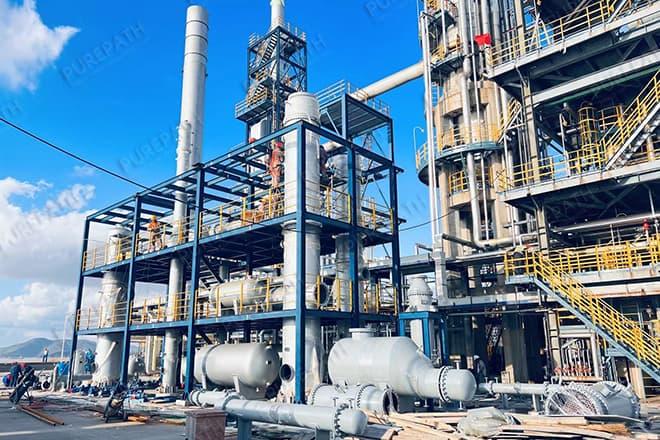
The global push toward a circular economy is transforming industries by promoting resource efficiency, waste reduction, and sustainable production. One key innovation in this movement is waste oil-to-base oil recycling plants, which convert used lubricating oils into high-quality base oils. This process not only reduces environmental pollution but also supports circular economy goals by closing the loop on waste materials.
The Problem with Waste Oil
Used lubricating oil is a major environmental hazard if not disposed of properly. It contains contaminants such as heavy metals, toxic chemicals, and sludge, which can pollute soil and water. Traditionally, waste oil has been either incinerated (releasing harmful emissions) or dumped illegally, leading to severe ecological damage.
How Waste Oil Recycling Works
Waste oil-to-base oil plants use advanced re-refining technologies to purify used oil and restore it to its original condition. The process typically involves:
Pre-treatment – Removing water, solids, and light hydrocarbons.
Distillation – Separating base oil fractions from contaminants.
Hydrotreatment – Further purifying the oil to meet industry standards.
The result is high-quality base oil that can be reused in lubricants, reducing the need for virgin crude oil extraction.
Circular Economy Benefits
Resource Conservation – Recycling waste oil reduces dependency on crude oil, preserving natural resources.
Waste Minimization – Diverts hazardous waste from landfills and incineration, lowering environmental impact.
Energy Efficiency – Re-refining oil consumes less energy than producing virgin base oil.
Economic Value – Creates a sustainable supply chain for lubricant manufacturers while generating jobs in the recycling sector.
Supporting Sustainability Goals
Governments and industries worldwide are adopting policies to promote extended producer responsibility (EPR) and sustainable waste management. Waste oil recycling plants align with these initiatives by:
Complying with zero-waste-to-landfill targets.
Reducing carbon footprints through lower emissions.
Supporting the UN Sustainable Development Goals (SDGs), particularly SDG 12 (Responsible Consumption and Production).
Conclusion
Waste oil-to-base oil plants play a crucial role in advancing the circular economy by turning waste into a valuable resource. By embracing this technology, industries can reduce environmental harm, conserve finite resources, and move toward a more sustainable and regenerative economic model.
 Spanish
 English
 Arabic
 French
 Portuguese
 Deutsch
 Turkish
 Dutch
Dutch
 Italiano
 Russian
 Romaian
 Portuguese (Brazil)
 Greek
Greek