


Bio-Based Additives for Petroleum Refining: A Sustainable Shift?
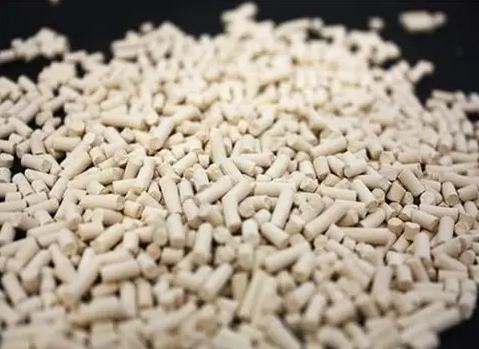
The petroleum refining industry has long been a cornerstone of global energy supply, but its environmental impact remains a significant concern. As the world shifts toward sustainability, bio-based additives are emerging as a promising solution to reduce the carbon footprint of petroleum refining while enhancing efficiency.
The Need for Sustainable Alternatives
Traditional petroleum refining relies heavily on chemical additives to improve fuel quality, reduce corrosion, and enhance performance. However, many of these additives are derived from fossil fuels, contributing to pollution and greenhouse gas emissions. Bio-based additives, sourced from renewable materials like plant oils, agricultural waste, and algae, offer a cleaner alternative without compromising performance.
Benefits of Bio-Based Additives
Reduced Carbon Emissions – Unlike fossil-derived additives, bio-based alternatives have a lower carbon footprint since they originate from renewable sources that absorb CO₂ during growth.
Biodegradability – Many bio-additives break down more easily in the environment, reducing long-term pollution risks.
Enhanced Fuel Performance – Some bio-based additives, such as oxygenates from bioethanol, improve combustion efficiency, leading to lower emissions.
Compatibility with Existing Infrastructure – Bio-additives can often be blended seamlessly into conventional refining processes, minimizing the need for costly upgrades.
Key Bio-Based Additives in Refining
Bio-Oxygenates (e.g., Ethanol, Butanol) – Improve fuel combustion and reduce particulate emissions.
Bioderived Antioxidants – Extend fuel shelf life by preventing oxidation.
Biosurfactants – Enhance oil recovery and reduce refinery fouling.
Bio-Based Corrosion Inhibitors – Protect pipelines and storage tanks using eco-friendly compounds.
Challenges and Future Outlook
Despite their advantages, bio-based additives face challenges such as higher production costs and limited scalability compared to conventional options. However, advancements in biotechnology and government incentives for green refining are accelerating adoption.
As the energy sector evolves, bio-based additives represent a crucial step toward a more sustainable petroleum industry. By integrating these innovations, refineries can reduce environmental impact while maintaining operational efficiency—a win for both business and the planet.
Would you like to explore specific case studies or the latest research in this field? Let us know in the comments!
 Romaian
 English
 Arabic
 French
 Spanish
 Portuguese
 Deutsch
 Turkish
 Dutch
Dutch
 Italiano
 Russian
 Portuguese (Brazil)
 Greek
Greek