


How Does the Digitalization Revolutionize the Printing Quality Inspection
Digitalization is revolutionizing the printing and packaging industry, enhancing traditional processes and introducing new levels of efficiency and precision. A significant advancement in this context is the digitalization of print inspection, which is profoundly improving how print quality is monitored, controlled, and assured, resulting in superior output and reduced waste.
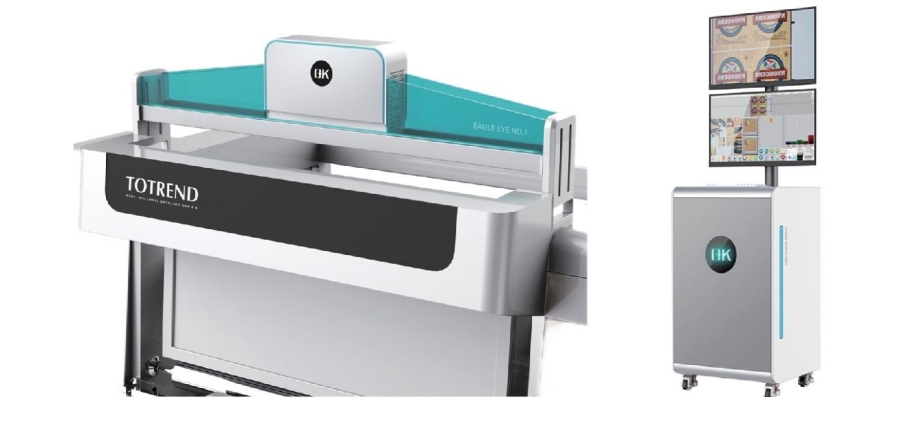
Key Components of Digital Print Inspection
Digital print inspection is a sophisticated process that leverages advanced technologies to ensure the highest quality in printed materials.
1. High-Resolution Cameras
Functionality:
Capture detailed images of printed materials at high speeds.
Detect minute defects that might be missed by the naked eye.
Features:
High Resolution: Enables detection of fine details and small defects.
Speed: Inspects large volumes of print quickly, suitable for high-speed printing processes.
Versatility: Adjustable to different types of printing substrates and conditions.
2. Image Processing Algorithms
Functionality:
Analyze images captured by the cameras in real-time.
Compare captured images against pre-defined standards or templates to identify defects.
Features:
Real-Time Analysis: Provides immediate feedback, allowing for quick corrections.
Defect Detection: Identifies various issues, including color variations, misregistrations, smudges, and surface imperfections.
Precision: Ensures high accuracy in identifying defects, minimizing false positives and negatives.
3. Artificial Intelligence (AI) and Machine Learning (ML)

Functionality:
Enhance inspection systems' capability to learn from past data and improve over time.
Predict potential issues and adapt to new types of defects.
Features:
Learning Capabilities: Systems improve accuracy and efficiency with use.
Predictive Analysis: Anticipates defects before they become significant problems.
Adaptive Algorithms: Adjusts to changing print conditions and defect types, maintaining high inspection standards.
4. Data Integration and Analytics
Functionality:
Integrate printing quality inspection systems with other digital tools and platforms for comprehensive data collection and analysis.
Provide insights into the printing process, helping optimize workflows and improve quality control.
Features:
Comprehensive Data Collection: Detailed data on every aspect of the print process.
Analytical Tools: Analyzes data trends, identifies recurring issues, and suggests improvements.
Real-Time Monitoring: Continuous monitoring and reporting facilitate proactive management of the print process.
5. User Interfaces and Software
Functionality:
Provide an interface for operators to interact with the inspection system, review defects, and manage settings.
Software platforms facilitate the setup, control, and analysis of the inspection process.
Features:
User-Friendly Interfaces: Intuitive interfaces for quick understanding and usage.
Customizability: Systems tailored to specific user needs and printing conditions.
Comprehensive Reporting: Detailed reports on inspection results aid decision-making and process improvements.
6. Lighting System
Functionality:
Provide consistent and appropriate lighting to ensure high-quality image capture by the cameras.
Different types of lighting can be used depending on the material and type of defects being inspected.
Features:
Uniform Illumination: Consistent lighting across the entire print area, avoiding shadows and glare.
Adjustable Lighting: Can be adjusted to suit different materials and inspection requirements.
Specialized Lighting: Techniques like UV or infrared lighting can highlight specific types of defects.
7. Motion Control Systems
Functionality:
Ensure precise movement and positioning of the print media under the inspection cameras.
Synchronize the inspection process with the printing process.
Features:
Precision: High accuracy in positioning, critical for detailed inspection.
Synchronization: Keeps the inspection process aligned with the speed and flow of the printing process.
Flexibility: Can handle different sizes and types of print media.
Challenges and Future Prospects in Digital Print Inspection
Challenges in Digital Print Inspection
High Initial Investment:
Cost Barrier: Advanced technology and equipment involve significant upfront costs, challenging for small to medium-sized printing companies.
Return on Investment (ROI): Justifying the ROI can be difficult if existing inspection methods are still acceptable.
Integration with Existing Systems:
Compatibility Issues: Integrating new digital inspection systems with legacy equipment and software can be complex, requiring significant modifications.
Operational Disruption: The integration process can disrupt ongoing operations, leading to downtime and temporary productivity losses.
Complexity and Usability:
Training Requirements: Advanced systems require specialized knowledge and skills, necessitating comprehensive training programs.
User Interface: Ensuring systems are user-friendly and intuitive is critical, as complex interfaces can hinder effective usage.
Data Management:
Volume of Data: Digital inspection systems generate large volumes of data, requiring effective management and analysis.
Data Security: Protecting sensitive production data from cyber threats requires robust cybersecurity measures.
Rapid Technological Advancements:
Keeping Up: Fast-paced technological advancements mean systems can quickly become outdated, necessitating continuous updates and investments.
Standardization: Lack of standardization in digital inspection technologies can lead to compatibility and interoperability issues.
Future Prospects in Digital Print Inspection
The future of digital print inspection is promising. Advancements in AI and machine learning will continue enhancing system capabilities, enabling more precise and efficient inspections. Integrating print inspection data with other Industry 4.0 technologies, such as the Internet of Things (IoT) and blockchain, could offer unprecedented levels of traceability and transparency.
Conclusion
The digitalization of print inspection represents a significant leap forward for the printing industry, offering numerous advantages in accuracy, efficiency, and cost-effectiveness. Digital print inspection plays an increasingly vital role in ensuring high standards of print quality, driving innovation, and maintaining competitiveness in a fast-paced market.
 Russian
 English
 Arabic
 French
 Spanish
 Portuguese
 Deutsch
 Turkish
 Dutch
Dutch
 Italiano
 Romaian
 Portuguese (Brazil)
 Greek
Greek