


What Factors Should I Consider When Choosing a Microscope Camera?
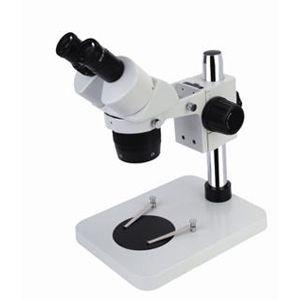
Selecting the right microscope camera is crucial for capturing high-quality images and videos for your specific needs. Here's a breakdown of the key factors to consider:
1. Image Quality
· Resolution: Higher resolution generally means more detailed images, but it also increases file size. Consider the level of detail you need for your work.
· Sensor Size: A larger sensor captures more light and provides a wider field of view. It's particularly important for low-light applications like fluorescence microscopy.
· Pixel Size: Larger pixels generally mean better light sensitivity and less noise, but they can reduce resolution.
· Dynamic Range: This refers to the camera's ability to capture details in both bright and dark areas of the image. A wider dynamic range is important for samples with varying levels of contrast.
2. Camera Type
· Color vs. Monochrome: Color cameras capture images in color, while monochrome cameras capture images in shades of gray. Monochrome cameras are often more sensitive to light and offer higher resolution, but they require separate filters for color imaging.
· Sensor Type: CMOS sensors are more common nowadays due to their lower cost, energy efficiency, and improved performance. CCD sensors may still be preferred in some specialized applications.
3. Frame Rate
· Live Imaging: For applications that require real-time viewing or recording of dynamic processes, a higher frame rate is essential.
· Still Images: If you're primarily capturing still images, frame rate may be less of a concern.
4. Software and Compatibility
· Image Capture and Processing: Ensure the camera's software provides the necessary features for image capture, measurement, annotation, and processing.
· Operating System Compatibility: Check if the software is compatible with your operating system (Windows, macOS, etc.).
5. Connection Type
· USB: Widely supported and straightforward for connecting to a computer.
· HDMI: May offer higher data transfer rates for faster live imaging.
· Ethernet: Can be useful for connecting to a network for remote access and control.
6. Field of View
· Sample Size: Consider the size of your samples and the field of view you need to capture. A larger field of view allows you to capture more of the specimen in a single image.
7. Light Sensitivity
· Low-Light Conditions: Assess the camera's sensitivity to low light conditions, especially if you're working with fluorescence microscopy or other low-light applications.
8. Budget
· Features vs. Cost: Establish a budget based on your needs and prioritize the features that are most important to you.
 Spanish
 English
 Arabic
 French
 Portuguese
 Deutsch
 Turkish
 Dutch
Dutch
 Italiano
 Russian
 Romaian
 Portuguese (Brazil)
 Greek
Greek