


The Pivotal Role of Components for A Web Inspection System: Achieving Printing Perfection
In the ever-evolving landscape of printing, where quality is paramount, web inspection systems play a pivotal role in ensuring the final output meets the highest standards. Tailored for scrutinizing every detail of the printing process, these systems identify faults and anomalies that could compromise overall quality. This article delves into the essential components of a web inspection system designed for printing quality, shedding light on the intricate elements that contribute to achieving printing perfection.

Principles of Operation for Web Inspection Systems
A web inspection system for printing quality operates on the real-time capture, analysis, and categorization of images from the printed web. This technology aims to detect and identify printing faults or inconsistencies, ensuring the final printed content adheres to stringent quality standards.
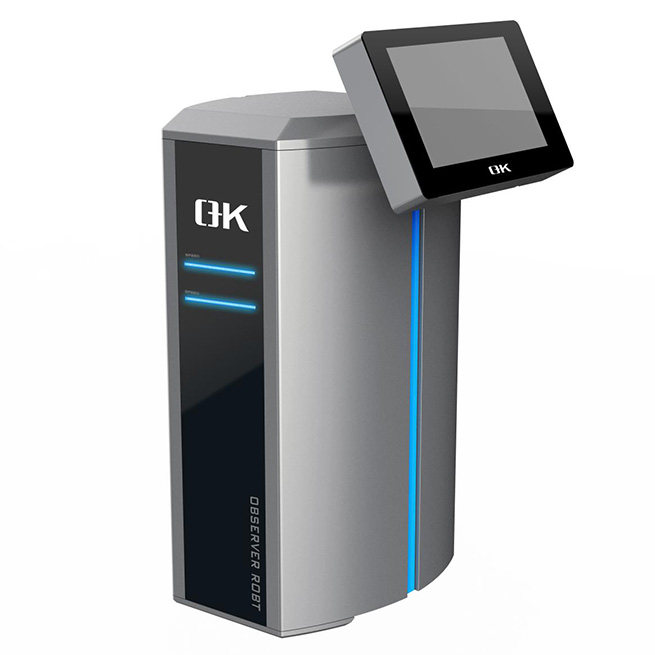
Critical Components of a Web Inspection System for Printing Quality
Camera Systems:
High-resolution camera systems serve as the core of a web inspection system, capturing detailed photographs of the printed material in real time. To achieve precise and comprehensive image capture, modern systems often integrate advanced camera technologies, including high-speed line scan cameras or high-resolution area scan cameras.
Illumination Systems:
Accurate fault detection requires proper lighting. Illumination systems in web inspection are meticulously designed lighting settings that illuminate the surface of the printed web, aiding in revealing flaws such as color fluctuations, misregistration, or substrate problems.
Conveyor System:
A robust conveyor system moves the web of printed material at a predetermined speed through the inspection zone. Consistent and precise web movement is crucial for reliable examination.
Image Processing Software:
Captured images undergo processing using sophisticated image processing software. This software utilizes algorithms to analyze the images, identify defects, and categorize them based on predefined criteria. Machine learning and artificial intelligence may be integrated for adaptive defect recognition.
Defect Classification Algorithms:
Defect classification algorithms are vital for distinguishing acceptable variations from actual defects. Trained to recognize patterns associated with common printing defects, these algorithms identify issues such as misprints, color deviations, streaks, or registration errors.
User Interface and Control System:
The user interface acts as the bridge between the operator and the inspection system, displaying real-time photos and allowing operators to customize inspection parameters. The control system enables operators to start, stop, or modify the inspection process as needed.
Defect Marking System:
Identified defects are marked using a defect marking system, highlighting or marking defective areas. This aids operators in pinpointing and addressing specific issues during the printing process, with some systems offering automatic defect marking for increased efficiency.
Integration with Printing Press:
Seamless integration with the printing press is crucial for the web inspection system to operate smoothly. This ensures synchronized control, allowing the inspection system to adjust to variations in printing speed, modify lighting conditions, and stay in sync with the printing process.
Data Logging and Reporting:
Comprehensive data logging capabilities record inspection results, including defect types, frequencies, and locations. Reporting tools enable operators to generate detailed reports for analysis and quality control purposes.
Remote Monitoring and Control:
Advanced web inspection systems offer remote monitoring and control capabilities, allowing personnel to oversee and adjust the inspection process from a remote location, enhancing operational flexibility.
In Conclusion
A web inspection system significantly contributes to the overall quality and consistency of printed material by combining advanced imaging technology, intelligent software algorithms, and real-time monitoring. Its ability to detect flaws swiftly enables prompt corrective actions, reducing waste and ensuring the final output meets stringent quality standards.
 Portuguese (Brazil)
 English
 Arabic
 French
 Spanish
 Portuguese
 Deutsch
 Turkish
 Dutch
Dutch
 Italiano
 Russian
 Romaian
 Greek
Greek