


The Advanced Technologies Driving Hydrotreating Plants
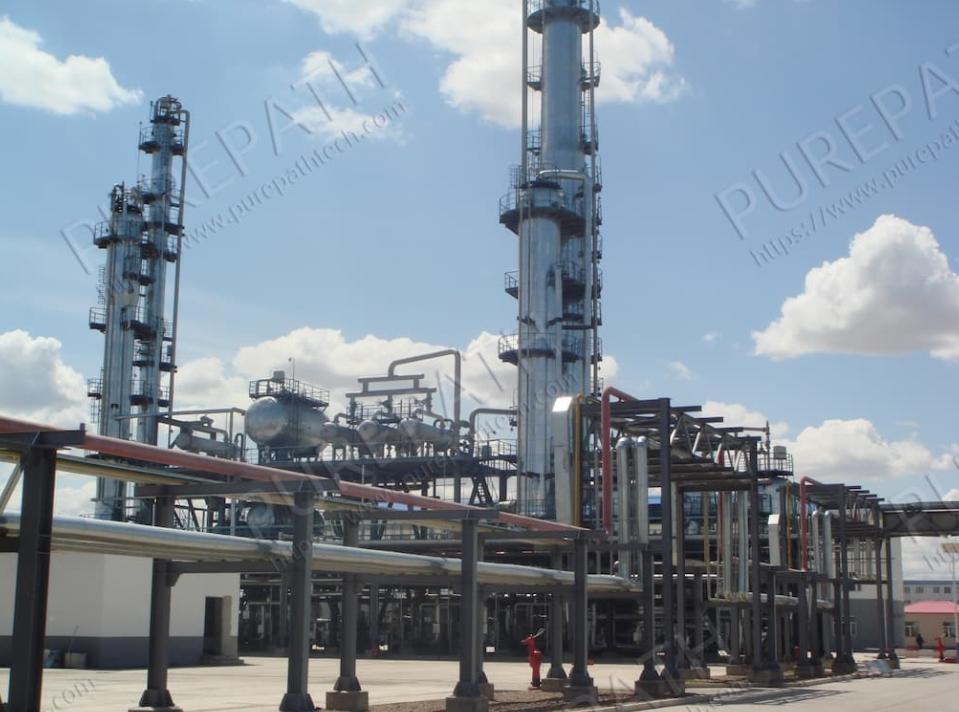
As the demand for cleaner fuels and reduced emissions continues to rise, advancements in hydrotreating technology are paving the way for more efficient and sustainable refining processes. This blog explores the latest innovations in hydrotreating plants and their impact on the petroleum refining industry.
Innovations in Hydrotreating Catalysts
Catalysts are at the heart of the hydrotreating process, and ongoing research is focused on enhancing their performance. Modern catalysts are designed to:
Provide higher activity and selectivity for removing impurities.
Withstand extreme conditions, ensuring longer operational life.
Reduce the formation of by-products, increasing overall yield.
Advances in catalyst materials, such as the use of mixed metal oxides and novel support structures, are making hydrotreating processes more efficient and cost-effective.
Integration of Process Intensification
Process intensification (PI) techniques aim to make hydrotreating units more compact, energy-efficient, and environmentally friendly. Some key developments include:
Microreactors: These enable better control over reaction conditions and reduce energy consumption.
Advanced Heat Exchangers: They improve heat recovery and minimize thermal losses.
Modular Designs: Modular hydrotreating units are quicker to install, require less space, and offer scalability.
Digitalization and Automation
The integration of digital technologies in hydrotreating plants is revolutionizing operations:
Predictive Maintenance: Advanced sensors and AI-driven analytics predict equipment failures before they occur, reducing downtime.
Real-Time Optimization: Digital twins and process simulations enable operators to optimize parameters for maximum efficiency.
Enhanced Monitoring: IoT devices provide real-time data on pressure, temperature, and flow rates, ensuring consistent performance.
Environmental and Economic Benefits
Modern hydrotreating technologies not only meet stringent environmental standards but also contribute to economic savings:
Reduced Emissions: Advanced sulfur removal techniques ensure compliance with ultra-low sulfur fuel regulations.
Energy Efficiency: Improved reactor designs and heat recovery systems lower energy consumption.
Cost Reduction: Efficient catalyst usage and modular setups reduce capital and operational expenditures.
Future Outlook
The future of hydrotreating plants lies in sustainable innovations such as:
Using renewable hydrogen produced from water electrolysis powered by green energy.
Developing catalysts for processing biofuels and alternative feedstocks.
Enhancing carbon capture technologies integrated within the hydrotreating process.
By embracing these advancements, the refining industry is poised to produce cleaner fuels while reducing its environmental footprint. Hydrotreating plants will remain at the forefront of this transformative journey, ensuring energy security and sustainability for years to come.
 Portuguese
 English
 Arabic
 French
 Spanish
 Deutsch
 Turkish
 Dutch
Dutch
 Italiano
 Russian
 Romaian
 Portuguese (Brazil)
 Greek
Greek