


Exploring Sustainable Fish Feed Ingredients in Nigeria
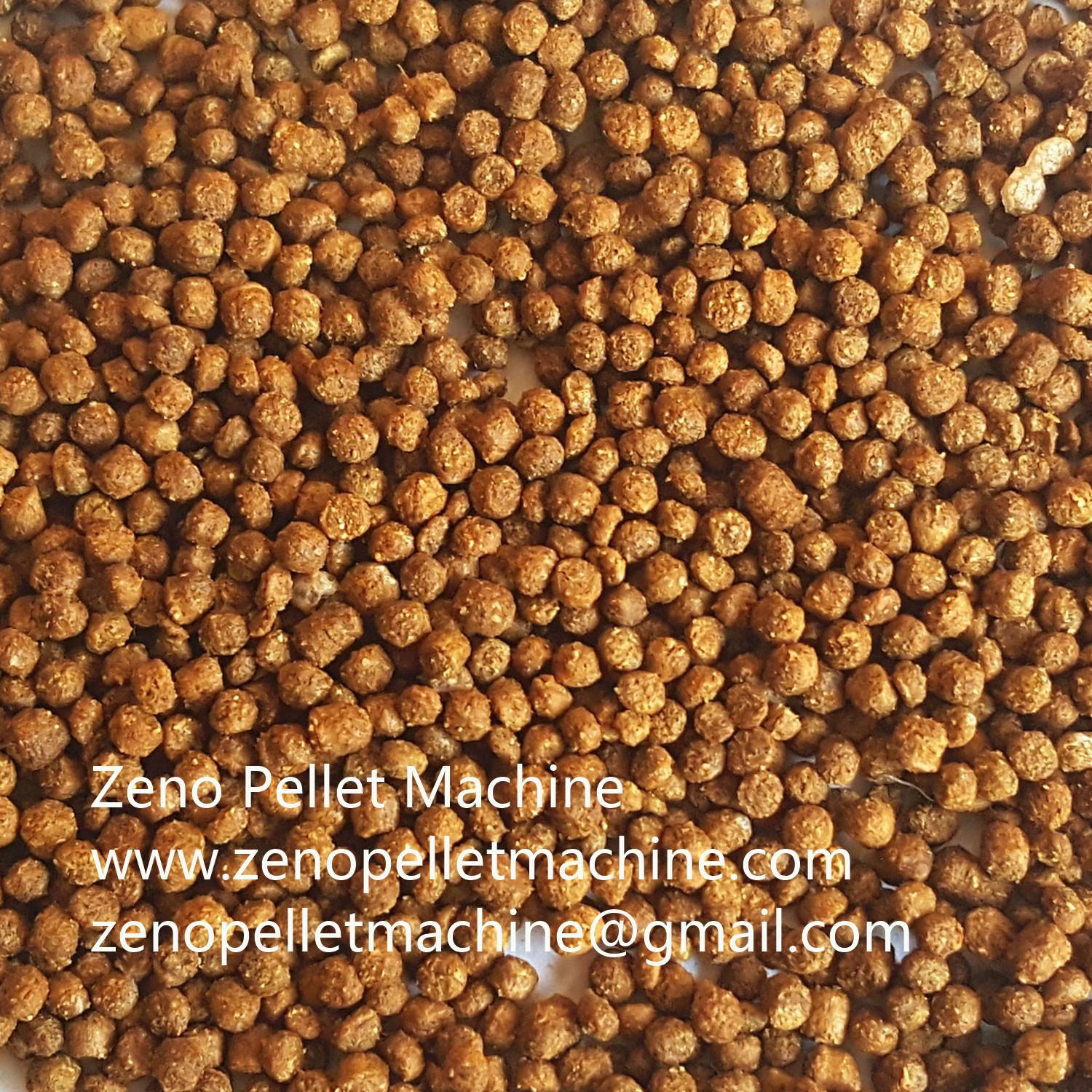
As Nigeria continues to grapple with food security challenges, the role of aquaculture in providing affordable protein sources cannot be overstated.
However, one of the significant hurdles in scaling up aquaculture production is the cost and availability of sustainable fish feed ingredients in fish feed plant. Recognizing this, WorldFish, through its Development and Scaling of Sustainable Feeds for Resilient Aquatic Food Systems in Sub-Saharan Africa (FASA) program, launched a comprehensive survey across Nigeria’s six geo-political zones to identify and analyze local ingredients that could be sustainably used in fish feed formulations.
Uncovering Local Treasures for Fish Feed
The survey examined the type, price, and seasonality of various local ingredients utilized by fish farmers, fish feed extruder, ingredient producers, and sellers.
Among the novel ingredients identified were grasshopper, cassava flour, crayfish, crayfish dust, wheat flour, groundnut, groundnut cake, baobab meal, fish bone, fishmeal, acha, Bambara nut, rice bran, maize, beans flour, cassava peels, millet, soybean, corn meal, wheat bran, maggots, and black soldier fly (BSF) larvae meal.
“These ingredients were collected from local markets, labeled, and prepared for chemical analysis to assess their nutritional value and potential in fish feed production,” said Caroline Ayo-Olalusi, PhD, an Assistant Director, Research Aquaculture Nutritionist at the Nigerian Institute for Oceanography and Marine Research (NIOMR), who led the project and co-authored the soon to be released scoping study of fish feed ingredients in Nigeria.
Rearing Practices Across Nigeria
The survey revealed diverse fish farming practices across Nigeria. Most fish farmers in Nigeria rear catfish and tilapia, and the rearing facilities observed varied from tarpaulin and fiber tanks to concrete tanks, with cage culture systems being prevalent in riverine areas such as Ondo and Lagos states.
A mix of notable presence of imported feeds seen as high quality and reliable. However, the findings from this survey could shift the balance, showing the potential of local ingredients to reduce dependency on costly imported feeds.
The Promise of Sustainability and Affordability
The use of local ingredients like black soldier fly larvae meal and maggots stands out as particularly promising due to their high protein content and sustainability.
“These ingredients not only offer a cost-effective alternative to traditional fishmeal but also contribute to waste reduction and environmental sustainability, key factors in the future of aquaculture in Nigeria,” said Ibiyo Lenient, PhD, Research Technician at the Nigerian Institute for Freshwater Fisheries, who assisted with literature review, data collection, and data analysis of the scoping study of fish feed ingredients in Nigeria.
Moreover, the scoping study found ingredients like cassava flour, groundnut cake, and rice bran, which are readily available and affordable, could significantly reduce the cost of fish feed, making aquaculture more accessible to smallholder farmers. This, in turn, could lead to increased fish production, improved food security, and better livelihoods for those involved in the aquaculture value chain.
Next Steps
The data collected from this survey will play a crucial role in developing tailored feed formulations that meet the nutritional needs of culturable fish species like catfish and tilapia. The chemical analysis of these ingredients will provide a deeper understanding of their nutritional profiles, guiding feed millers in producing high-quality, affordable feeds.
By leveraging locally available resources, Nigeria can build a more resilient and sustainable aquaculture industry, reducing reliance on imports and creating opportunities for economic growth in rural communities.
By tapping into the wealth of local resources, Nigeria has the potential to position itself as a leader in sustainable aquaculture in Africa. The road ahead is filled with opportunities, and with the right investments and innovations, the future of fish farming in Nigeria looks promising.
 Deutsch
 English
 Arabic
 French
 Spanish
 Portuguese
 Turkish
 Dutch
Dutch
 Italiano
 Russian
 Romaian
 Portuguese (Brazil)
 Greek
Greek