


What are Land-Based Oil Rigs
Oil rigs are not solely confined to offshore locations; they also operate on land across various regions globally, delving deep into the Earth's crust to extract valuable fossil fuels. This article explores the world of land-based oil rigs, examining their operations and technological advancements aimed at enhancing efficiency in oil drilling.
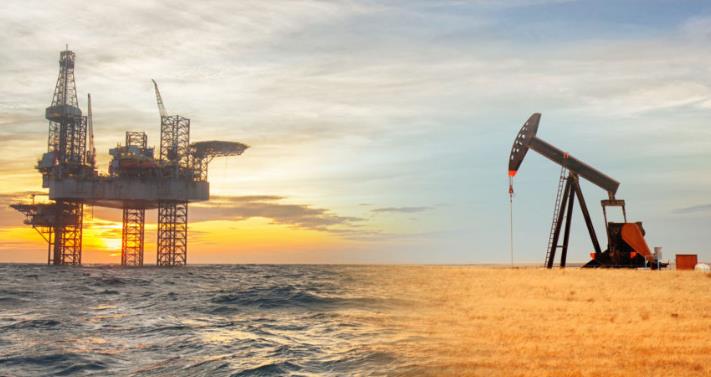
Understanding Land-Based Oil Rigs
Land-based oil rigs are structures designed to extract crude oil and natural gas from beneath the Earth's surface. Unlike their offshore counterparts, land-based rigs differ significantly in design, operation, and environmental impact.
Key Components of Land-Based Oil Rigs
1. Derrick:
The towering derrick provides structural support for drilling equipment and serves as a guide for drilling components.
2. Drilling Rig:
Oil drilling rig houses the equipment necessary for drilling operations, including the drilling bit, mud system, and power units.
3. Mud Pumps:
Essential for circulating drilling mud—a mixture of water, clay, and chemicals—to cool the drill bit, lubricate the drill string, and remove cuttings.
4. Mud Tanks:
These tanks store drilling mud, facilitating its recirculation during the drilling process.
5. Wellhead:
Serving as the endpoint of the wellbore, the wellhead ensures a secure seal to prevent oil and gas leaks into the environment.

Operational Processes of Land-Based Oil Rigs
1. Site Preparation:
The process begins with selecting a suitable drilling location, involving geologic surveys and obtaining permits.
2. Drilling:
Once the rig is in place, drilling commences, with the drilling bit rotating to create a borehole thousands of feet deep. Continuous pumping of drilling mud maintains borehole integrity.
3. Casing Installation:
Steel casing pipes are inserted into the borehole to prevent collapse, isolate geological formations, and protect groundwater.
4. Well Completion:
After reaching the desired depth, the well is completed by installing cement between the casing and surrounding rock to create a secure seal.
5. Production:
Productive wells bring oil and gas to the surface using pumps, which are then transported for refining and distribution.
Technological Innovations for Land-Based Oil Rigs
Technological advancements have greatly enhanced the efficiency, safety, and sustainability of land-based oil drilling operations. These innovations include:
1. Automation and Remote Monitoring:
Automated drilling systems and remote monitoring enable optimization of drilling parameters and real-time operational adjustments.
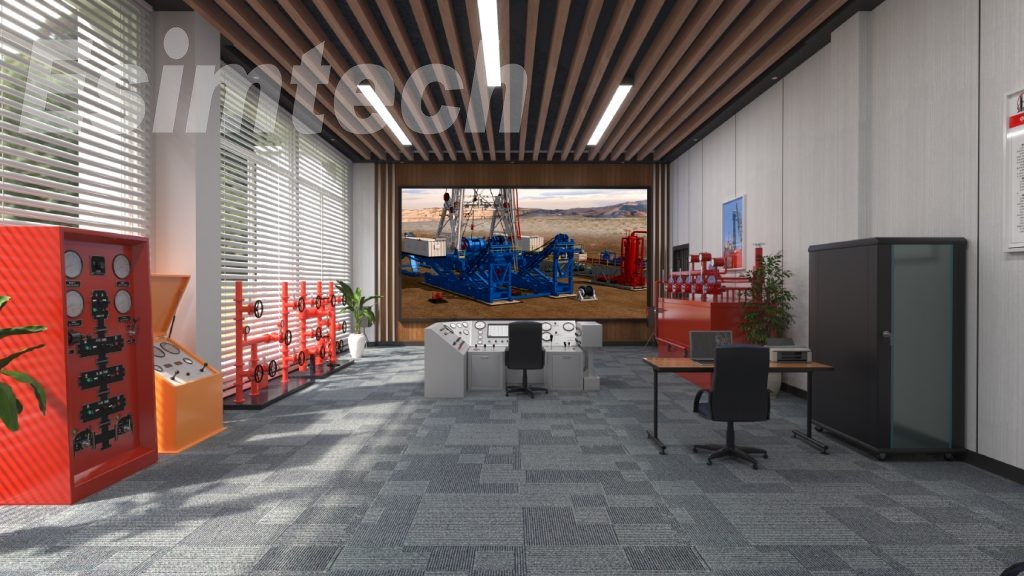
2. Digital Twin Technology:
Drilling digital twin models aid operators in visualizing and simulating drilling rig performances, facilitating optimization and issue recognition.
3. Directional and Extended Reach Drilling:
Advances in drilling techniques allow exploration of previously inaccessible oil resources.
4. Electrification and Hybrid Power Systems:
Transitioning to electrified or hybrid power systems minimizes pollutants, reduces operational costs, and improves energy efficiency.
5. High-Performance Drilling Equipment:
Cutting-edge drill bits, motors, and downhole tools enhance drilling speed, accuracy, and reliability.
6. Drilling Fluid and Cuttings Management:
Environmentally friendly drilling fluids lessen the environmental impact of drilling operations.
7. Underbalanced Drilling:
Maintaining reservoir pressure during drilling enhances safety and reservoir recovery rates.
8. Advanced Sensors and Data Analytics:
Real-time data and analytics optimize drilling processes and equipment maintenance.
9. Modular Rig Designs:
Modular designs enable quicker setup and dismantling, reducing downtime and costs.
10. Renewable Energy Integration:
Integrating solar and wind power reduces carbon footprints and operational costs.
11. Drone Technology:
Drones improve efficiency and safety through aerial surveys, monitoring, and inspections.
12. Wellbore Imaging Tools:
Advanced imaging systems provide real-time subsurface data for improved drilling trajectories.
13. Advanced Cementing and Wellbore Isolation:
Innovations in cementing technology enhance wellbore integrity and minimize leakage risks.
14. Hydraulic Fracturing Technologies:
Multi-stage fracking and micro-seismic monitoring improve oil and gas recovery from unconventional sources.
Conclusion
Land-based oil rigs play a crucial role in the global energy sector, extracting fossil fuels vital for modern society. While offering economic benefits and energy security, these operations also pose environmental challenges. Technological innovations are essential for meeting energy demands while addressing environmental concerns, ensuring a sustainable future for the oil and gas industry.
 Portuguese
 English
 Arabic
 French
 Spanish
 Deutsch
 Turkish
 Dutch
Dutch
 Italiano
 Russian
 Romaian
 Portuguese (Brazil)
 Greek
Greek