


How to Understand Traffic Signals and Signs in India in 5 Easy Steps
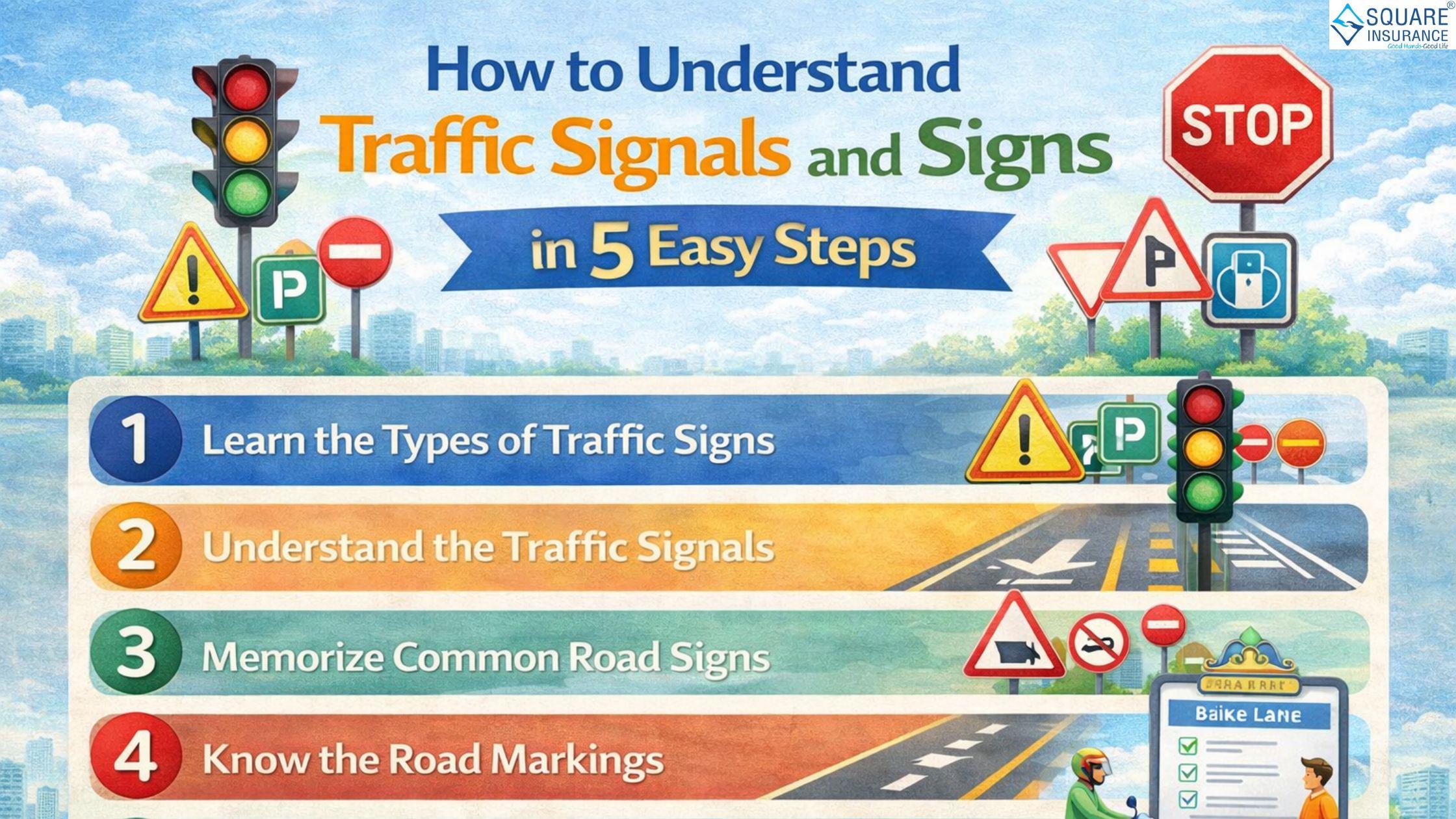
Traffic rules are the backbone of safe driving in India. Whether you are a new driver or someone with years of experience, understanding road signs and signals is essential to avoid accidents, penalties, and confusion on the road. Important Traffic Signals and Signs in India play a crucial role in maintaining order and ensuring smooth traffic flow across busy cities and highways.
In this guide, you’ll learn how to easily understand and remember Indian traffic signs in five simple steps, along with practical insights that will help you stay safe and confident while driving.
Step 1: Understand the Three Main Categories of Traffic Signs
Traffic signs in India are broadly divided into three categories defined by the Indian Road Congress. Knowing these categories is the first step toward mastering them.
1. Mandatory Signs
These signs indicate rules that must be followed. Ignoring them can lead to fines or legal action.
Examples:
· Stop
· No Entry
· Speed Limit
· No Parking
These are usually circular with a red border and are strictly enforced.
2. Cautionary Signs
These signs warn drivers about potential hazards ahead.
Examples:
· Sharp Turn
· Narrow Road
· Pedestrian Crossing
· Slippery Road
They are triangular with a red border and help you prepare in advance.
3. Informatory Signs
These signs provide useful information about routes and facilities.
Examples:
· Hospital
· Petrol Pump
· Parking Area
· Bus Stop
They are rectangular and usually blue in color.
Step 2: Learn the Meaning Behind Colors and Shapes
Traffic signs are designed in a way that even if you cannot read text, you can understand them through colors and shapes.
Color Coding:
· Red: Danger or prohibition (Stop, No Entry)
· Yellow: Warning or caution
· Blue: Information or services
· Green: Directional guidance (highways and routes)
Shape Significance:
· Circle: Orders that must be followed
· Triangle: Warning signs
· Rectangle/Square: Information and guidance
Understanding this visual language helps you react quickly without reading every sign.
Step 3: Focus on Commonly Used Road Signs in India
While there are many signs, some are used more frequently and should be memorized first.
Most Important Signs:
· Stop Sign – Complete halt required
· No Entry – Entry is prohibited
· Speed Limit – Maximum speed allowed
· U-Turn Prohibited – No turning back allowed
· School Ahead – Drive slowly and carefully
These signs are critical for both city driving and highways. Ignoring them not only risks your safety but can also result in penalties under the Motor Vehicles Act 1988.
Step 4: Observe Road Markings Along with Signs
Traffic signs are often supported by road markings that provide additional guidance. These markings are equally important and should not be ignored.
Types of Road Markings:
· Solid White Line: Do not cross
· Broken White Line: Lane change allowed
· Zebra Crossing: Pedestrian priority area
· Stop Line: Mandatory halt line
For example, even if you miss a “Stop” sign, the stop line on the road indicates where you must halt. Combining both signs and markings improves your driving awareness.
Step 5: Practice Real-Life Observation and Application
The best way to understand traffic signals is through real-world practice. Pay attention while driving or even walking on the road.
Practical Tips:
· Observe signs during daily travel
· Take mock driving tests online
· Revise signs before applying for a driving license
· Watch how experienced drivers respond to signals
If you’re preparing for a driving test, authorities like the Ministry of Road Transport and Highways emphasize knowledge of traffic signs as a key requirement.
Why Understanding Traffic Signs is Important
Ignoring traffic signs is one of the leading causes of road accidents in India. Here’s why learning them matters:
· Ensures personal and public safety
· Helps avoid fines and penalties
· Improves driving confidence
· Reduces traffic congestion
· Makes you a responsible driver
By understanding traffic signals, you not only protect yourself but also contribute to a safer road environment.
Common Mistakes Drivers Make
Even experienced drivers often make these mistakes:
· Ignoring warning signs
· Misinterpreting speed limits
· Overlooking pedestrian crossings
· Not following lane discipline
· Assuming rules don’t apply in low traffic
Avoiding these mistakes can significantly reduce your chances of accidents.
Tips to Remember Traffic Signs Easily
Learning traffic signs doesn’t have to be difficult. Here are some easy tricks:
· Use flashcards for daily revision
· Associate signs with real-life situations
· Practice quizzes and mock tests
· Learn category-wise instead of randomly
· Focus on high-priority signs first
Consistency is key to mastering them.
Frequently Asked Questions (FAQs)
1. What are the main types of traffic signs in India?
Traffic signs are divided into mandatory, cautionary, and informatory categories.
2. What happens if I ignore traffic signs?
You may face fines, penalties, or even legal action under the Motor Vehicles Act, 1988.
3. Are traffic signs important for driving tests?
Yes, knowledge of traffic signs is essential to pass both the learner’s and permanent driving license tests.
4. How can I learn traffic signs quickly?
You can learn them through visual practice, mock tests, and regular observation while traveling.
5. Do traffic signs differ across states in India?
No, traffic signs are standardized across India for uniform understanding.
Conclusion
Understanding traffic signals and signs in India is not just about passing a driving test-it’s about ensuring safety for everyone on the road. By following the five simple steps discussed above, you can easily learn, remember, and apply traffic rules in your daily life.
Being aware of road signs helps you become a responsible driver, reduces the risk of accidents, and ensures smooth traffic flow. Whether you’re driving in a busy city or on a highway, these signs guide you at every step.
For drivers looking to stay fully protected on the road, having the right insurance coverage is equally important. Square Insurance helps you choose the best motor insurance plans that keep you financially secure while you focus on safe driving.
 Italiano
 English
 Arabic
 French
 Spanish
 Portuguese
 Deutsch
 Turkish
 Dutch
Dutch
 Russian
 Romaian
 Portuguese (Brazil)
 Greek
Greek