


Fabric Inspection Machine: Complete Guide to Quality Control in Textile Manufacturing
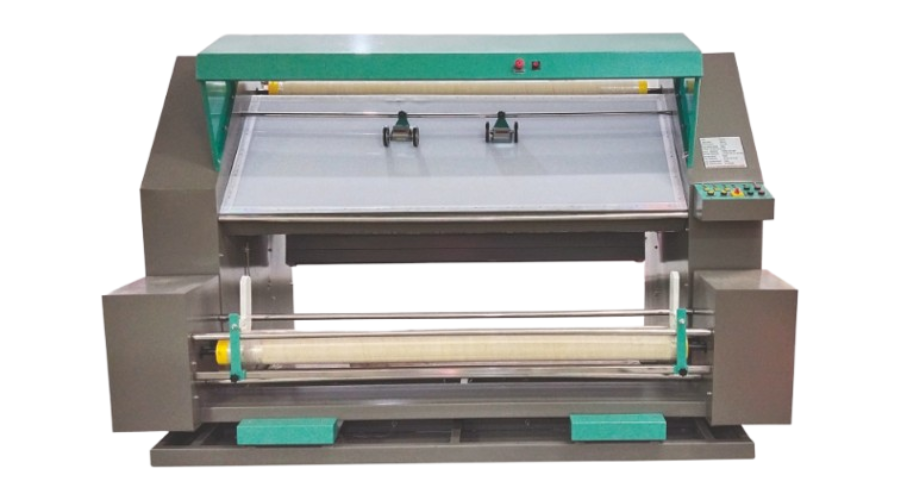
A fabric inspection machine plays a crucial role in textile manufacturing where quality control determines the final value of the product. Even minor defects such as holes, oil stains, weaving faults, or shade variations can lead to rejected shipments and financial losses. Textile manufacturers rely on inspection systems to detect these issues before the fabric moves to cutting or finishing.
Fabric inspection machines allow operators to examine rolls of fabric under controlled lighting and tension. The system helps identify defects accurately and maintain consistency across batches. By automating inspection workflows and improving visibility of the fabric surface, these machines reduce manual errors and speed up quality control operations in textile mills, garment factories, and fabric trading houses.
What is a Fabric Inspection Machine
A fabric inspection machine is a textile quality control device used to examine fabrics for defects during production or before garment manufacturing. The machine unwinds fabric rolls, passes them across an illuminated inspection table, and rewinds them after inspection.
The inspection surface is designed to highlight irregularities in the textile structure. Operators visually inspect the fabric while the machine maintains consistent tension and speed. Some advanced models integrate digital defect recording systems, cameras, and automated measurement tools.
Fabric inspection machines are widely used in industries dealing with:
-
woven fabrics
-
knitted fabrics
-
denim manufacturing
-
technical textiles
-
garment production
-
fabric trading and warehousing
The machine ensures that only approved fabric rolls move forward into cutting, dyeing, or finishing processes.
Why Fabric Inspection Machines Are Essential in Textile Manufacturing
Quality Assurance
Fabric defects often originate during spinning, weaving, dyeing, or finishing stages. Without inspection, these flaws may go unnoticed until the final product is completed. Inspection machines help detect issues early, preventing expensive rework.
Production Efficiency
Manual inspection is slow and inconsistent. Machines allow controlled fabric movement, enabling operators to inspect large volumes efficiently while maintaining accuracy.
Cost Reduction
Defective fabric used in garment manufacturing results in wasted materials and additional labor costs. Early inspection minimizes these losses.
Standardized Defect Evaluation
Many textile companies use defect point systems such as the 4-Point System or 10-Point System. Inspection machines make it easier to classify and record defects consistently according to these standards.
Key Components of a Fabric Inspection Machine
Fabric Unwinding System
This section holds the fabric roll and feeds it smoothly into the inspection area. Adjustable tension controls prevent stretching or distortion during inspection.
Inspection Table with Lighting
The inspection table is the main viewing area where operators examine the fabric. High-intensity LED lighting improves visibility of surface defects such as holes, stains, slubs, or weaving errors.
Fabric Transport System
Motorized rollers move the fabric across the inspection surface at controlled speeds. Adjustable speed allows operators to inspect delicate or complex fabrics carefully.
Fabric Rewinding Mechanism
After inspection, the fabric is rewound into rolls. Some machines can re-roll fabric into smaller rolls or fold fabric depending on downstream processing requirements.
Defect Recording System
Modern inspection machines include digital control panels where operators record defects, measure fabric length, and generate quality reports.
Types of Fabric Inspection Machines
Flat Fabric Inspection Machines
Flat inspection machines allow fabric to pass over a large illuminated table. Operators visually inspect the entire surface. These machines are widely used in garment factories and fabric warehouses.
Tubular Fabric Inspection Machines
Tubular inspection machines are designed for knitted fabrics that are produced in tube form. The machine opens or rotates the fabric tube to allow full inspection.
Roll-to-Roll Inspection Machines
Roll-to-roll machines unwind and rewind fabric automatically. They are used in large textile mills handling bulk fabric inspection.
Automated Fabric Inspection Systems
Advanced machines integrate cameras, artificial intelligence, and defect detection software. These systems can automatically identify irregularities in texture, color, and pattern.
How Fabric Inspection Machines Work
The inspection process follows a structured workflow that ensures accurate quality evaluation.
-
The fabric roll is mounted on the feeding stand.
-
The machine unwinds the fabric and moves it across the inspection table.
-
LED lighting highlights defects on the fabric surface.
-
The operator visually checks the fabric while recording defects using a defect scoring system.
-
The inspected fabric is rewound into a roll for storage or further processing.
In advanced systems, digital cameras capture images of the fabric surface. Software analyzes patterns and flags defects automatically.
Benefits of Using a Fabric Inspection Machine
Improved Fabric Quality
Consistent inspection allows manufacturers to detect weaving faults, stains, holes, shade variations, and misprints before fabric enters garment production.
Higher Production Efficiency
Machines allow faster inspection speeds while maintaining accuracy. This improves workflow efficiency in textile plants.
Accurate Fabric Measurement
Most inspection machines include electronic length counters that measure fabric precisely during inspection.
Better Inventory Control
Inspection reports help textile companies classify fabric rolls based on quality grades, making inventory management easier.
Fabric Defects Detected by Inspection Machines
Fabric inspection machines help identify many common textile defects.
-
holes and tears
-
oil stains and contamination
-
weaving faults
-
broken yarns
-
color shading differences
-
printing errors
-
slubs and knots
-
uneven dyeing
Early detection allows manufacturers to isolate defective rolls and avoid sending faulty materials into production.
Examples of Fabric Inspection Machine Applications
Garment Manufacturing Units
Garment factories inspect incoming fabric rolls before cutting. Detecting defects early prevents issues in finished garments.
Textile Mills
Fabric inspection machines are used after weaving and dyeing processes to ensure the fabric meets quality standards.
Fabric Trading Companies
Traders inspect fabric before resale to ensure the material matches the buyer's specifications.
Denim Manufacturing
Denim fabrics often require inspection for weaving faults, shade variation, and streak marks before being processed into garments.
Expert Tips for Using Fabric Inspection Machines
-
Maintain consistent lighting intensity for accurate defect visibility.
-
Adjust fabric tension carefully to avoid stretching delicate materials.
-
Train operators on defect classification systems such as the 4-point inspection method.
-
Keep inspection speeds moderate when handling high-value fabrics.
-
Perform routine maintenance on rollers and motors to ensure smooth operation.
Regular calibration and maintenance help maintain inspection accuracy over time.
Common Mistakes in Fabric Inspection
Inspecting at High Speed
Running fabric too quickly reduces the ability to detect subtle defects. Controlled inspection speeds improve accuracy.
Poor Lighting Conditions
Weak lighting makes it difficult to identify color shading and surface irregularities.
Inconsistent Defect Recording
Failure to follow standardized defect scoring systems leads to unreliable quality reports.
Lack of Operator Training
Even advanced machines require trained operators who understand textile defects and inspection standards.
Conclusion
Fabric inspection machines form the backbone of textile quality control. They allow manufacturers to detect defects early, maintain product standards, and reduce production losses. As textile production becomes more automated, inspection technology continues to evolve with digital monitoring, AI-driven defect detection, and integrated quality reporting.
Investing in a reliable fabric inspection system helps textile companies improve efficiency, maintain consistent product quality, and meet the strict expectations of global apparel buyers.
Top 5 SEO FAQs
What is a fabric inspection machine used for?
A fabric inspection machine is used to detect defects in textile fabrics during production or before garment manufacturing. It helps maintain fabric quality and prevent defective materials from entering production.
What types of defects can a fabric inspection machine detect?
Fabric inspection machines detect defects such as holes, oil stains, weaving faults, color shading, broken yarns, slubs, and printing errors.
How does a fabric inspection machine improve textile quality control?
The machine allows operators to inspect fabric under controlled lighting and tension, making defects more visible and enabling accurate defect recording.
What industries use fabric inspection machines?
Textile mills, garment manufacturing units, fabric trading companies, denim manufacturers, and technical textile producers commonly use these machines.
What is the 4-point system in fabric inspection?
The 4-point system is a textile quality evaluation method that assigns points to fabric defects based on their size and severity, helping manufacturers determine fabric acceptance standards.
 English
 Arabic
 French
 Spanish
 Portuguese
 Deutsch
 Turkish
 Dutch
Dutch
 Italiano
 Russian
 Romaian
 Portuguese (Brazil)
 Greek
Greek