


The Ultimate Guide to Solar Off Grid Systems
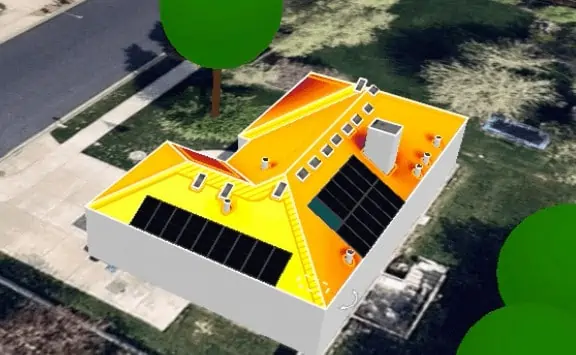
The demand for reliable energy in remote areas has led to a surge in sophisticated power solutions. A solar off grid system provides a turnkey way to bring electricity to places where the traditional utility lines cannot reach. These systems are designed to be rugged, efficient, and capable of operating under various environmental stressors without failing.
Designing for Maximum Reliability
When you are your own utility provider, reliability is not just a luxury; it is a necessity. This means selecting industrial-grade components that can withstand temperature fluctuations and high-demand cycles. A well-designed system minimizes the "single point of failure" risk, ensuring that if one part has an issue, the rest of the system keeps running.
The Role of Advanced Inverters
Inverters are the "brain" of your power setup, converting the direct current (DC) from your batteries into the alternating current (AC) used by standard household tools. High-end inverters often include integrated chargers and monitoring software, allowing you to track your energy production and consumption in real-time through a mobile app.
Pre-Wired Systems for Easy Installation
For those who are not electrical experts, pre-wired boards are a game-changer. These "plug-and-play" solutions come with the MPPT controllers, breakers, and wiring already configured in a professional workshop. This reduces the risk of installation errors and significantly speeds up the time it takes to get your power running.
-
Reduced installation time on-site.
-
Professionally tested wiring for safety.
-
Compact, space-saving designs.
Battery Storage: The Heart of the System
The battery bank determines how much autonomy you have. If you experience three days of heavy rain, your batteries must have enough capacity to keep your essential loads powered. Modern lithium towers are stackable, meaning you can start with a small capacity and add more battery modules as your needs or budget grow.
-
Start with a base power module.
-
Stack additional batteries for more storage.
-
Configure the system for your specific peak loads.
Building a dependable off grid solar setup requires looking at the long-term value rather than just the initial cost. High-quality components pay for themselves through reduced maintenance and a much longer operational lifespan, providing peace of mind for decades to come in even the most isolated locations.
Conclusion
Transitioning to a standalone solar setup is a significant step toward total energy self-sufficiency. With the right combination of high-capacity storage and efficient power conversion, you can create a reliable energy oasis anywhere. Modern technology has made these systems more accessible and durable, allowing anyone to harness the power of the sun for a sustainable life.
 Dutch
Dutch
 English
 Arabic
 French
 Spanish
 Portuguese
 Deutsch
 Turkish
 Italiano
 Russian
 Romaian
 Portuguese (Brazil)
 Greek
Greek