


Islamic Primary Schools: Nurturing Faith, Knowledge, and Character

Introduction
Islamic primary schools play a vital role in shaping young minds by combining academic excellence with strong moral and spiritual foundations. For many Muslim families, education is not just about academic success but also about nurturing faith, discipline, respect, and responsibility from an early age. Across the UK and around the world, Islamic primary schools provide a balanced environment where children grow intellectually, socially, and spiritually.
Institutions such as the Manchester Islamic Educational Trust have contributed significantly to the development of structured Islamic education models, ensuring that children receive both a high-quality national curriculum education and a strong grounding in Islamic values.
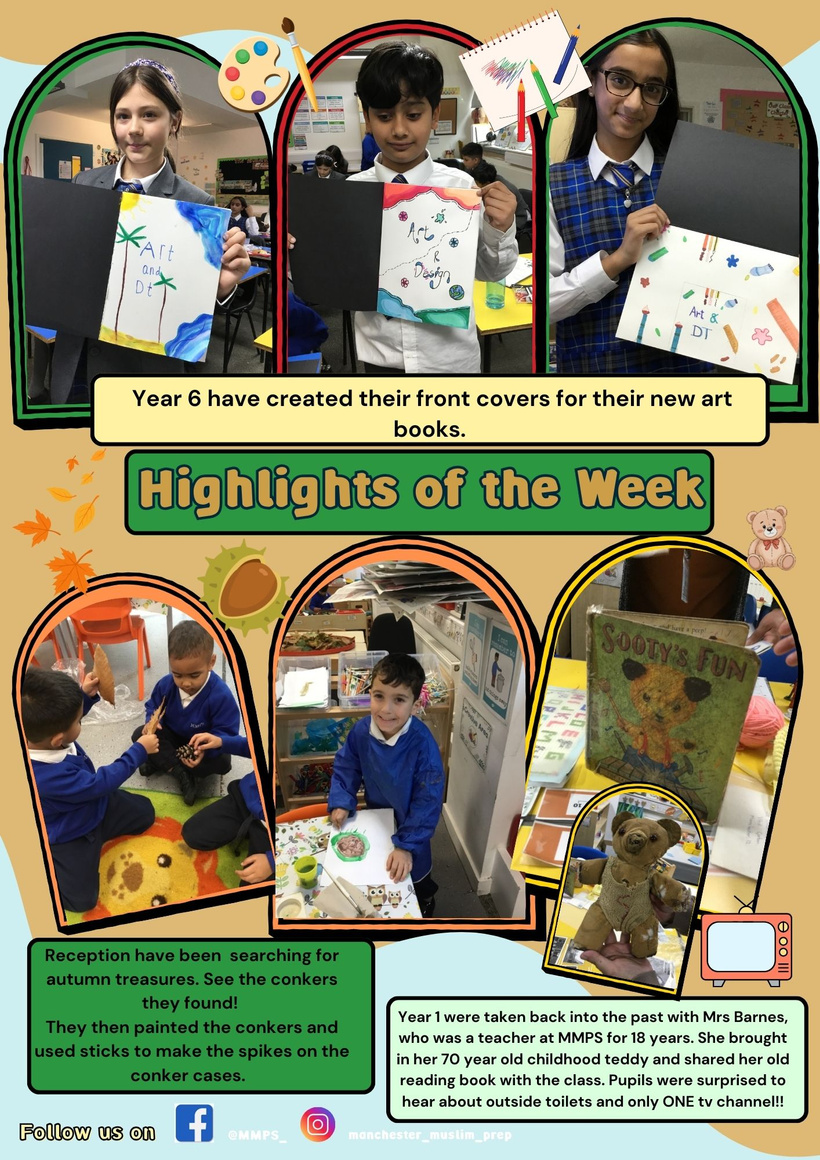
What Are Islamic Primary Schools?
Islamic primary schools are educational institutions designed to deliver the national curriculum alongside Islamic studies. They typically cater to children between the ages of 4 and 11, covering early years foundation stage through Key Stage 2 in the UK.
These schools aim to:
-
Deliver core academic subjects such as English, Mathematics, Science, and Humanities
-
Teach Qur’an recitation (Tajweed), Islamic studies, and Arabic
-
Promote Islamic manners (Akhlaq) and character building
-
Encourage positive citizenship and community involvement
By integrating faith with learning, Islamic primary schools create an environment where children feel confident in both their religious identity and academic abilities.
A Balanced Curriculum
One of the biggest strengths of Islamic primary schools is their balanced curriculum. While students follow national academic standards, they also benefit from daily Islamic education.
Academic Excellence
Islamic primary schools are committed to high educational standards. Teachers are qualified professionals who ensure students achieve strong literacy, numeracy, and analytical skills. Pupils are prepared for secondary education just like their peers in mainstream schools.
Islamic Studies
In addition to academic subjects, students learn:
-
Qur’an memorisation and recitation
-
Seerah (life of the Prophet Muhammad ﷺ)
-
Islamic history
-
Fiqh (basic jurisprudence suitable for children)
-
Daily duas and practical worship
This dual approach ensures that students develop both intellectual competence and spiritual awareness.
Character Development and Moral Values
Character education is central to Islamic primary schooling. Children are taught values such as:
-
Honesty
-
Respect for parents and teachers
-
Kindness and compassion
-
Responsibility and discipline
-
Gratitude and patience
These values are reinforced through daily routines, assemblies, and classroom discussions. Teachers model positive behaviour, creating a nurturing environment where children feel safe and supported.
Islamic primary schools emphasise that education is not only about gaining knowledge but also about becoming a person of good character.
A Safe and Faith-Centred Environment
For many parents, safety and faith alignment are top priorities. Islamic primary schools provide an environment where:
-
Modesty and respectful behaviour are encouraged
-
Halal food policies are maintained
-
Prayer is part of the daily schedule
-
Islamic celebrations such as Ramadan and Eid are recognised
Children grow up feeling proud of their identity while learning to respect diversity and coexist peacefully with others.
Community and Parental Involvement
Islamic primary schools often have strong links with local mosques and community organisations. Parents are encouraged to participate in school activities, events, and workshops.
This partnership between school and home ensures consistent reinforcement of values. When children see cooperation between teachers and parents, it strengthens their sense of belonging and accountability.
Organisations like the Islamic Foundation have also contributed resources and educational materials that support Islamic schooling initiatives in the UK and beyond.
Preparing Children for the Future
Islamic primary schools prepare children not only for secondary education but also for life. Students develop:
-
Strong communication skills
-
Leadership abilities
-
Confidence in public speaking
-
Teamwork and collaboration
-
Respect for people of all backgrounds
They are taught to contribute positively to society while maintaining their religious identity. Many graduates of Islamic primary schools go on to excel in various professions, including medicine, law, education, business, and community leadership.
Addressing Common Misconceptions
There are sometimes misconceptions about Islamic schools being isolated or overly strict. In reality, most Islamic primary schools:
-
Follow government regulations and inspections
-
Promote British values such as tolerance and rule of law
-
Encourage interfaith understanding
-
Participate in community outreach programs
These schools aim to produce well-rounded individuals who are confident in their faith and capable of engaging positively in wider society.
The Growing Demand for Islamic Primary Schools
With the increasing Muslim population in many parts of the UK, demand for Islamic primary education continues to rise. Parents are actively seeking schools that offer both academic quality and religious grounding.
This growth reflects a broader desire among Muslim families to ensure their children receive an education aligned with their beliefs, while still achieving high academic standards.
Conclusion
Islamic primary schools play a crucial role in shaping the next generation by combining academic excellence with strong moral and spiritual values. They provide a safe, nurturing environment where children develop confidence, discipline, and a deep understanding of their faith.
Through balanced curricula, dedicated teachers, and strong community involvement, Islamic primary schools prepare young learners not only for academic success but also for responsible citizenship and lifelong personal growth. For many families, these schools represent more than just an educational choice — they are an investment in both the dunya (worldly life) and the akhirah (hereafter), ensuring that children grow into knowledgeable, compassionate, and principled individuals.
 Portuguese
 English
 Arabic
 French
 Spanish
 Deutsch
 Turkish
 Dutch
Dutch
 Italiano
 Russian
 Romaian
 Portuguese (Brazil)
 Greek
Greek