


How to Practice Raja Yoga – A Step-by-Step Guide to the Royal Path
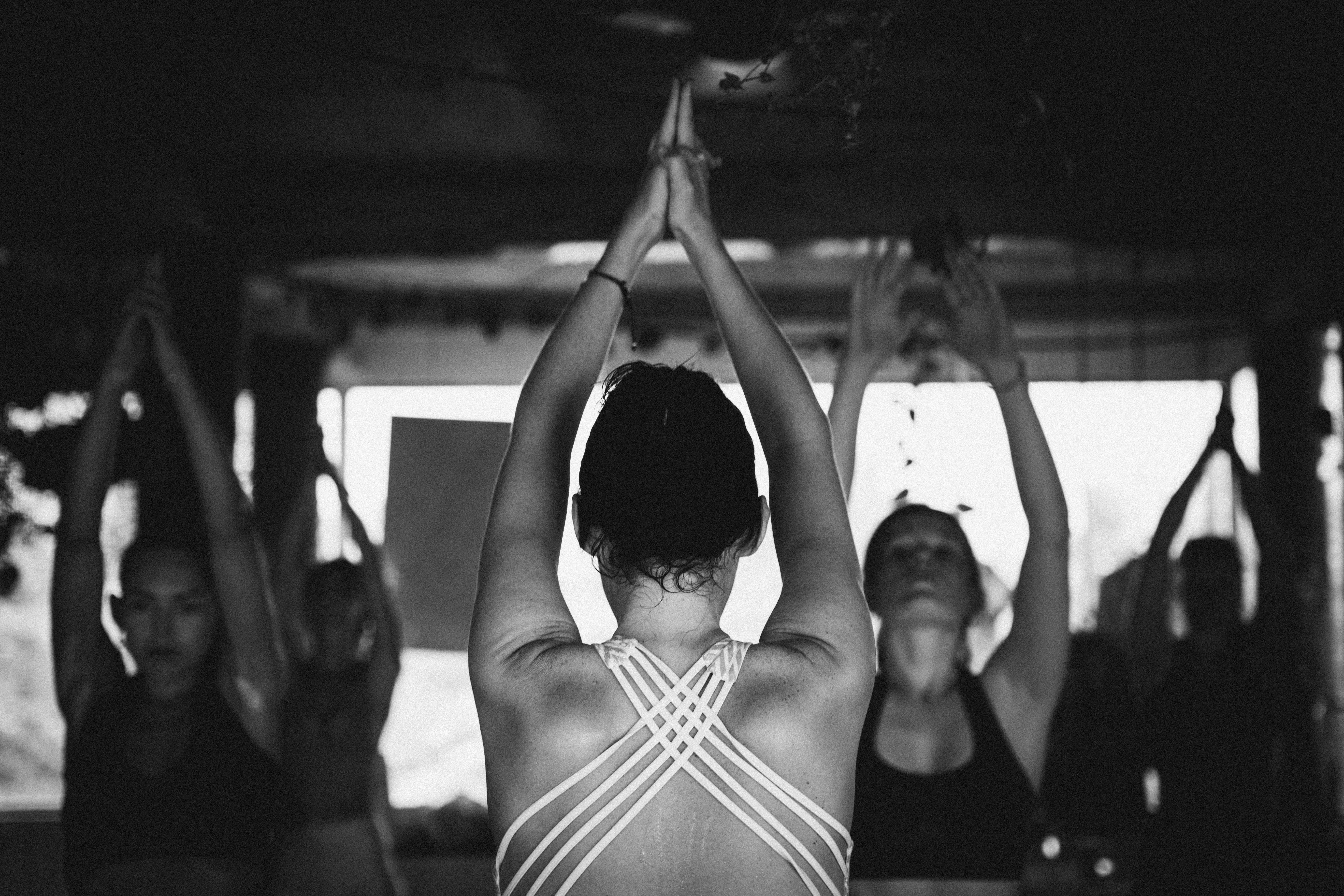
Understanding how to practice Raja Yoga becomes much easier when you explore its classical eight-limb structure. Raja Yoga is not just a meditation technique or a breathing exercise; it is a progressive and systematic path that leads from external discipline to profound inner awakening. Often referred to as the “Royal Path,” Raja Yoga focuses on mastering the mind, cultivating self-awareness, and ultimately realizing one’s true nature.
Unlike modern yoga practices that emphasize physical postures, Raja Yoga is primarily concerned with mental clarity, emotional stability, and spiritual growth. It teaches that the mind, when uncontrolled, creates suffering—but when disciplined, it becomes the gateway to peace and wisdom. The structured eight-step framework provides clear guidance for anyone seeking to understand how to practice Raja Yoga in daily life.
Let us explore each step in detail.
Step 1 & 2: Yama and Niyama – The Foundation of Practice
The journey of how to practice Raja Yoga begins not with meditation, but with ethical discipline. The first two limbs—Yama and Niyama—form the moral and personal foundation of the practice.
Yama refers to universal ethical principles that guide your interaction with the external world. These include non-violence (ahimsa), truthfulness (satya), non-stealing (asteya), moderation (brahmacharya), and non-possessiveness (aparigraha). Practicing these values purifies your actions and relationships. When you reduce conflict and negativity in your external life, your internal world naturally becomes calmer.
Niyama focuses on personal observances and self-discipline. These include cleanliness (saucha), contentment (santosha), self-discipline (tapas), self-study (svadhyaya), and surrender to higher wisdom (Ishvara pranidhana). Niyama strengthens your inner character and builds mental resilience.
Without these ethical foundations, meditation becomes unstable. A restless conscience creates a restless mind. Therefore, if you truly want to understand how to practice Raja Yoga effectively, begin by refining your behavior, thoughts, and daily habits. Ethical living creates inner harmony and prepares you for deeper practices.
Step 3: Asana – Stability of the Body
In Raja Yoga, Asana does not mean complex or physically demanding poses. Instead, it refers to a steady and comfortable posture suitable for meditation. The purpose is stability, not flexibility.
When learning how to practice Raja Yoga, choose a simple seated position such as Sukhasana (cross-legged pose) or sitting on a chair with your spine straight. The body should be relaxed yet alert. Physical stillness reduces distractions and allows energy to flow smoothly.
A stable posture supports mental steadiness. When the body moves excessively, the mind tends to wander. But when the body is calm, the mind begins to settle naturally. This is why even a few minutes of sitting quietly every day can initiate profound transformation.
Step 4: Pranayama – Regulation of Breath and Energy
Breathing practices, known as Pranayama, form the bridge between body and mind. In understanding how to practice Raja Yoga, pranayama plays a crucial role because breath and thought are deeply connected.
When your breath is fast and irregular, your thoughts are scattered. When your breath becomes slow and rhythmic, your mind becomes calm. Simple practices like deep abdominal breathing or alternate nostril breathing help regulate the nervous system and balance mental activity.
You do not need advanced techniques at the beginning. Start with conscious breathing for 5–10 minutes daily. Inhale slowly, exhale gently, and maintain awareness of each breath. Over time, this practice strengthens concentration and prepares you for meditation.
Pranayama teaches that controlling the breath leads to controlling the mind. This awareness is essential when exploring how to practice Raja Yoga consistently and safely.
Step 5: Pratyahara – Withdrawal of the Senses
In today’s world, constant stimulation from screens, noise, and social interactions keeps the mind outward-focused. Pratyahara is the practice of withdrawing attention from external distractions and turning inward.
When learning how to practice Raja Yoga, pratyahara may feel challenging at first. It requires reducing unnecessary sensory input and cultivating inner awareness. This does not mean avoiding life; rather, it means not becoming overwhelmed by it.
You can practice pratyahara by sitting quietly and observing your thoughts without reacting to external sounds or sensations. Gradually, you develop the ability to remain calm even in distracting environments.
This stage strengthens self-control and builds the mental discipline required for deeper concentration.
Step 6: Dharana – One-Pointed Concentration
Dharana means focused attention. It is the practice of concentrating the mind on a single object, thought, or point of awareness.
If you are wondering how to practice Raja Yoga in practical terms, this is where the real mental training begins. Choose a focal point—such as your breath, a mantra, a candle flame, or the space between your eyebrows—and gently direct your attention there.
The mind will wander. That is natural. The key is not to become frustrated but to patiently bring your focus back each time. Over time, this strengthens your “mental muscles.”
Concentration builds clarity and discipline. It improves productivity, decision-making, and emotional control in daily life. Through consistent practice of dharana, distractions lose the power over you.
Step 7: Dhyana – Meditation
When concentration becomes steady and effortless, it flows into Dhyana, or meditation. Unlike forced focus, meditation is a continuous and uninterrupted flow of awareness.
Understanding how to practice Raja Yoga means recognizing that meditation is not about stopping thoughts completely. Instead, it is about observing them without attachment. As awareness deepens, thoughts naturally slow down, and a sense of inner peace emerges.
Meditation brings numerous benefits, including improved emotional balance, reduced stress, enhanced creativity, and better sleep. With regular practice, you begin to experience moments of stillness where the mind feels expansive and quiet.
Dhyana transforms meditation from an effort into a natural state of being.
Step 8: Samadhi – Unity and Absorption
The final stage of Raja Yoga is Samadhi, a state of deep absorption and unity. In this state, the separation between the observer and the observed dissolves. There is profound peace, clarity, and awareness.
While Samadhi may seem advanced, even beginners can experience glimpses of this state—moments when time feels suspended, and inner silence prevails.
Learning how to practice Raja Yoga is ultimately about progressing toward this inner unity. It is not about achieving something external but discovering what already exists within you.
How to Practice Raja Yoga in Daily Life
If you are wondering how to practice Raja Yoga in simple terms, begin with small and consistent steps:
-
Meditate for 10–15 minutes daily.
-
Practice slow breathing exercises.
-
Reflect on your actions and align them with ethical values.
-
Reduce distractions and cultivate mindful awareness.
-
Maintain patience and discipline.
Raja Yoga is not a quick technique or a temporary wellness trend. It is a lifelong discipline. The transformation it offers happens gradually but deeply.
The Practical Beauty of Raja Yoga
The beauty of Raja Yoga lies in its practicality. It does not require expensive equipment, extreme flexibility, or specific religious beliefs. It is systematic, structured, and adaptable to modern life.
Through steady practice, the mind becomes clear, focused, and peaceful. Emotional reactions become more balanced. Stress becomes manageable. You respond to life with awareness rather than impulse.
Most importantly, Raja Yoga empowers you to master your own mind. Instead of being controlled by thoughts and emotions, you learn to observe and guide them consciously.
Conclusion
Learning how to practice Raja Yoga is a transformative journey. It teaches that the most powerful kingdom to rule is your own mind. Through ethical discipline, meditation, and self-awareness, Raja Yoga helps you achieve emotional stability, mental clarity, and spiritual connection. Whether you are a beginner or an advanced practitioner, consistent practice of Raja Yoga opens the door to inner peace, self-mastery, and holistic well-being.
 Turkish
 English
 Arabic
 French
 Spanish
 Portuguese
 Deutsch
 Dutch
Dutch
 Italiano
 Russian
 Romaian
 Portuguese (Brazil)
 Greek
Greek