


5 Features That Make a High-Fidelity Portable Snubbing Simulator Stand Out
Not all simulators are created equal. In the specialized field of snubbing, where pipe light and heavy conditions change in an instant, training tools must offer more than just basic graphics. A high-fidelity portable snubbing simulator must bridge the gap between a classroom whiteboard and the brutal reality of the rig floor. But with various options on the market, what specific features separate a toy from a true training tool? Here are the five features that define elite-level portable simulation.
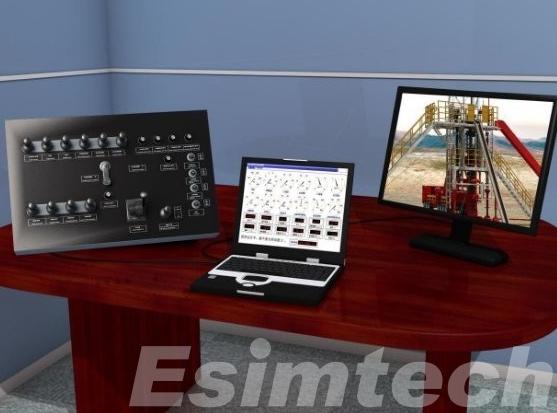
Realistic Hydraulic Reaction and Rig Controls
The most critical feature of any high-fidelity simulator is the replication of "feel." In snubbing, the hydraulic feedback through the joysticks tells the operator exactly what is happening downhole. A standout portable simulator uses load cells and haptic feedback systems mounted to actual rig components (like genuine HMI panels or joysticks). If the trainee pulls back on the controls and doesn't feel the resistance of a pipe-light situation, the simulation fails. True fidelity means the controls respond exactly like the equipment on the rack.
Advanced Well Control Scenarios with Dynamic Pipe Light/Heavy Transition
Snubbing is unique because it deals with pipe light and heavy conditions under pressure. A standard simulator might allow you to run a trip, but a high-fidelity unit throws curveballs. The best simulators feature dynamic well control scenarios where the balance shifts mid-operation. For example, a trainee might start a snub-in only to have a sudden pressure spike at the BOP stack, instantly changing the tubular forces. The ability to program these micro-transitions on a portable device ensures that crews train for the unexpected, not just the routine.
High-Fidelity Graphics and Environmental Visibility
Portable simulators often have to sacrifice visual quality for mobility, but the top-tier units refuse to compromise. High-definition, 360-degree field-of-view graphics are essential for spatial awareness. A standout feature is realistic weather rendering—fog, rain, and night-time visibility. In a real snubbing operation, visibility affects decision-making. If a trainee cannot see the top drive or the slips clearly due to simulated rain on the screen, they must rely on their instruments, just as they would in real life. This environmental layer adds a stress element that flat-screen monitors cannot replicate.
Comprehensive Data Capture and AAR (After Action Review)
Training is useless if you cannot measure improvement. A standout simulator functions as a data collection hub. Every lever pull, every pressure adjustment, and every second of reaction time is logged. The key feature here is the After Action Review (AAR) suite. The software should allow the instructor to rewind the session, overlay telemetry data, and show the trainee exactly where they lost control of the slip pressure or misjudged the snubbing force. In a portable unit, this turns the simulator into a mobile classroom where every mistake becomes a measurable lesson.
Modular Cabin Design for Rapid Reconfiguration
Finally, the hallmark of a truly portable high-fidelity simulator is its modularity. The industry is not one-size-fits-all; some crews work with coil tubing units, others with hydraulic workover rigs. A standout portable simulator features interchangeable control cabins or quick-connect panels. A crew should be able to finish a session simulating a 4-1/2" tubing operation, and within minutes, the instructor can swap the control module to mimic a different BOP stack configuration, preparing the next shift for a completely different job scope. This flexibility ensures the simulator remains relevant no matter the job ticket.

 English
 French
 Spanish
 Portuguese
 Deutsch
 Turkish
 Dutch
Dutch
 Italiano
 Russian
 Romaian
 Portuguese (Brazil)
 Greek
Greek