


Best Practices for Hosting HealthTech Webinars in 2026
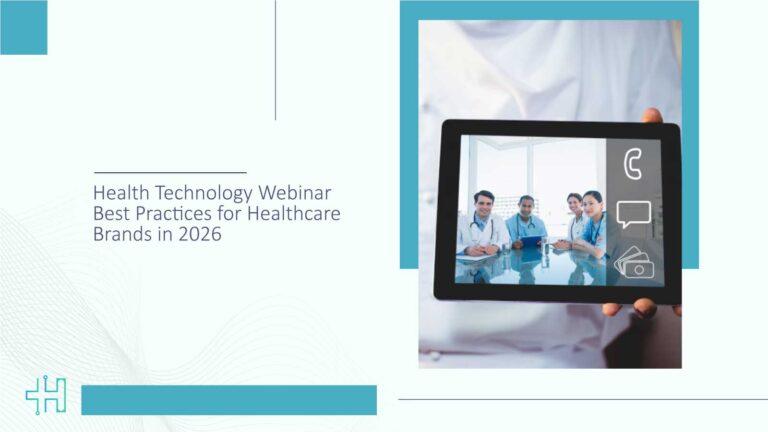
Webinars continue to be a powerful platform for healthcare brands looking to educate audiences, build authority, and generate high-quality leads. In 2026, as digital engagement expectations grow and healthcare decision-makers demand deeper insights, HealthTech webinars must evolve beyond one-way presentations to highly interactive, data-driven experiences.
For healthcare marketers, digital leaders, and brand strategists, mastering webinar best practices today can directly influence audience trust, pipeline velocity, and long-term relationships across clinical and administrative stakeholders.
Why Webinars Matter More Than Ever in Healthcare
Healthcare professionals and administrators are increasingly time-pressed, yet they seek high-value content that supports clinical decision-making, technology evaluation, and operational improvement. Webinars offer:
-
Real-time engagement with subject matter experts
-
Opportunities for interactive Q&A, polls, and troubleshooting
-
First-party intent and engagement data
-
Scalable exposure for complex products and services
Unlike static content, well-executed webinars build trust by facilitating direct dialogue and demonstrating thought leadership - critical factors in long B2B healthcare buying cycles.
1. Start with Strategic Topic Selection
Great webinars begin with topics that resonate deeply with your target audience. Conduct research to identify pressing industry pain points such as:
-
Healthcare data interoperability
-
AI in clinical workflows
-
Patient experience optimization
-
Cybersecurity challenges
Topic relevance increases registrations, boosts engagement, and enhances perceived value.
2. Build High-Value Content That Educates and Engages
Content should be structured around solving real problems, not just showcasing products. Best practices include:
-
Clear learning objectives
-
Actionable takeaways
-
Diverse presenters (clinicians, IT leaders, industry analysts)
-
Visual aids like charts, case examples, and demos
Interactive elements such as live polls and open Q&A help sustain attention and collect audience feedback.
3. Optimize Promotion Across Channels
Effective webinar promotion blends multiple channels:
-
Email campaigns targeting segmented lists
-
Social amplification on LinkedIn and Twitter
-
Retargeting ads to warm prospects
-
Partnerships with industry associations for broader reach
Timing matters - start promotions 4-6 weeks before the event and remind registrants regularly.
4. Leverage Technology for Seamless Delivery
Healthcare audiences expect professional, glitch-free experiences. Ensure your tech stack supports:
-
HD audio/video quality
-
Real-time audience engagement tools
-
Analytics dashboards for post-event measurement
-
Automated follow-ups based on attendee behavior
Platform reliability directly impacts attendee satisfaction and brand credibility.
5. Follow-Up with Intent-Driven Nurturing
A webinar shouldn’t end when the session closes. Post-webinar best practices include:
-
Segmenting registrants vs. attendees
-
Sending session recordings and resource libraries
-
Triggering workflows based on engagement levels
-
Sales outreach to highly engaged prospects
This approach moves prospects from awareness to consideration more smoothly.
Conclusion
In 2026, HealthTech webinars will continue to be indispensable for healthcare brands that want to educate, engage, and convert complex audiences. By applying best practices—from strategic topic selection and multi-channel promotion to data-driven follow-ups—organizations can maximize ROI and build long-lasting relationships in the healthcare ecosystem.
 Greek
Greek
 English
 Arabic
 French
 Spanish
 Portuguese
 Deutsch
 Turkish
 Dutch
Dutch
 Italiano
 Russian
 Romaian
 Portuguese (Brazil)