


How to Design Explosion-proof Lighting Systems
Crafting effective explosion-proof lighting systems necessitates a meticulous approach encompassing various elements, from the classification of hazardous zones to the careful selection of fixtures and installation procedures. This article delves into the crucial design considerations for explosion-proof lighting, shedding light on the fundamental principles and methodologies that uphold safety standards in perilous environments.
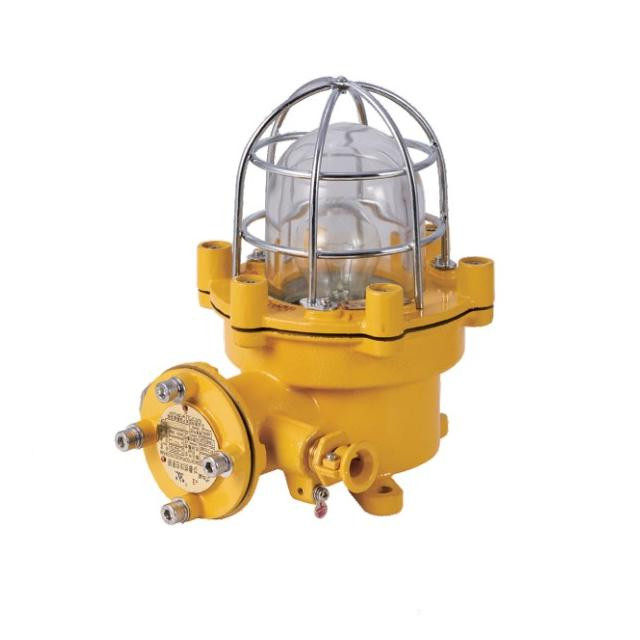
Understanding Hazardous Area Classification for Designing Explosion-proof Lighting
Classifications: Hazardous areas are categorized based on the presence and concentration of flammable substances, coupled with the likelihood of ignition. The classifications typically include Class I (gas), Class II (dust), and Class III (fibers and flyings), each with subdivisions delineating the nature and extent of the hazard.
Zone Classification: Further delineating the level of risk within hazardous areas, zone classifications range from Zone 0 (high risk) to Zone 2 (low risk) for gases, and Zone 20 (high risk) to Zone 22 (low risk) for dust.
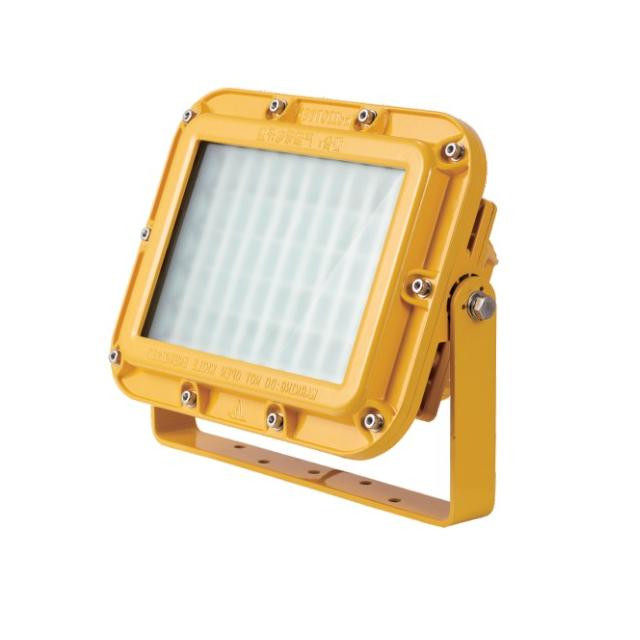
Fixture Selection and Certification in Explosion-Proof Lighting
Explosion-Proof Fixture Design: Specially engineered to prevent the ignition of flammable substances, these fixtures boast robust construction and sealed enclosures that withstand internal pressures generated by explosions without propagating ignition beyond the enclosure.
Materials and Construction: Typically crafted from durable materials like cast aluminum, stainless steel, or fiberglass-reinforced plastic, fixture materials are chosen based on environmental corrosiveness, ambient temperature, and mechanical stress factors.
Enclosure Ratings and Certifications: Lighting fixtures must meet stringent certification standards to ensure safety and regulatory compliance. Common certifications include ATEX (European Union), UL (Underwriters Laboratories), and IECEx (International Electrotechnical Commission Explosive Atmospheres), each indicating rigorous testing and adherence to safety protocols.
Choosing the Right Fixture Type: Fixture selection hinges on specific hazardous area requirements, such as the presence of gases, vapors, or dust. Enclosed fixtures, explosion-proof floodlights, LED fixtures, and emergency lighting fixtures are among the common types tailored to various needs.
Optimal Lighting Design in Explosion-Proof Lighting
Task Requirements and Illumination Levels: Tailor lighting design to meet specific tasks and required illumination levels, ensuring safe working conditions without over-illumination.
Uniformity of Illumination: Aim for consistent light distribution to minimize shadows and ensure visibility across the workspace.
Fixture Placement and Spacing: Strategically position fixtures to achieve optimal coverage while avoiding excessive overlap, optimizing energy efficiency and uniformity.
Lighting Control and Flexibility: Incorporate dimming controls and emergency lighting systems to adjust illumination levels and ensure continuous operation during power outages or emergencies.
Glare Control: Employ fixtures with appropriate shielding or diffusers to minimize glare, enhancing visual comfort and safety.
Color Rendering and Temperature: Consider the color rendering index (CRI) and temperature of fixtures to ensure accurate color perception and task performance alignment.

Maintenance and Inspection in Explosion-Proof Lighting
Scheduled Maintenance Routine: Establish routine inspection, testing, and servicing intervals based on environmental factors and regulatory requirements.
Visual and Electrical Inspection: Conduct regular visual and electrical inspections to identify damage, corrosion, or electrical faults, ensuring fixture integrity and safety.
Lamp Replacement: Replace lamps as recommended, following proper procedures to maintain safety and performance standards.
Seal Integrity and Cleaning: Check seals for integrity and cleanliness, and develop cleaning procedures to remove contaminants and maintain fixture performance.
Documentation and Record-Keeping: Maintain detailed records of maintenance activities to ensure compliance and accountability.
Conclusion
Explosion-proof lighting systems serve as vital safety mechanisms in hazardous environments, guiding personnel and illuminating workspaces while mitigating explosion risks. Effective design hinges on a comprehensive understanding of hazardous area classifications, meticulous fixture selection, optimal lighting design, and diligent maintenance practices, ensuring continued safety and compliance in high-risk settings.
 Romaian
 English
 Arabic
 French
 Spanish
 Portuguese
 Deutsch
 Turkish
 Dutch
Dutch
 Italiano
 Russian
 Portuguese (Brazil)
 Greek
Greek