


A Practical Guide to Building a Datacenter: Power, Cooling, Security, and Scalability Essentials
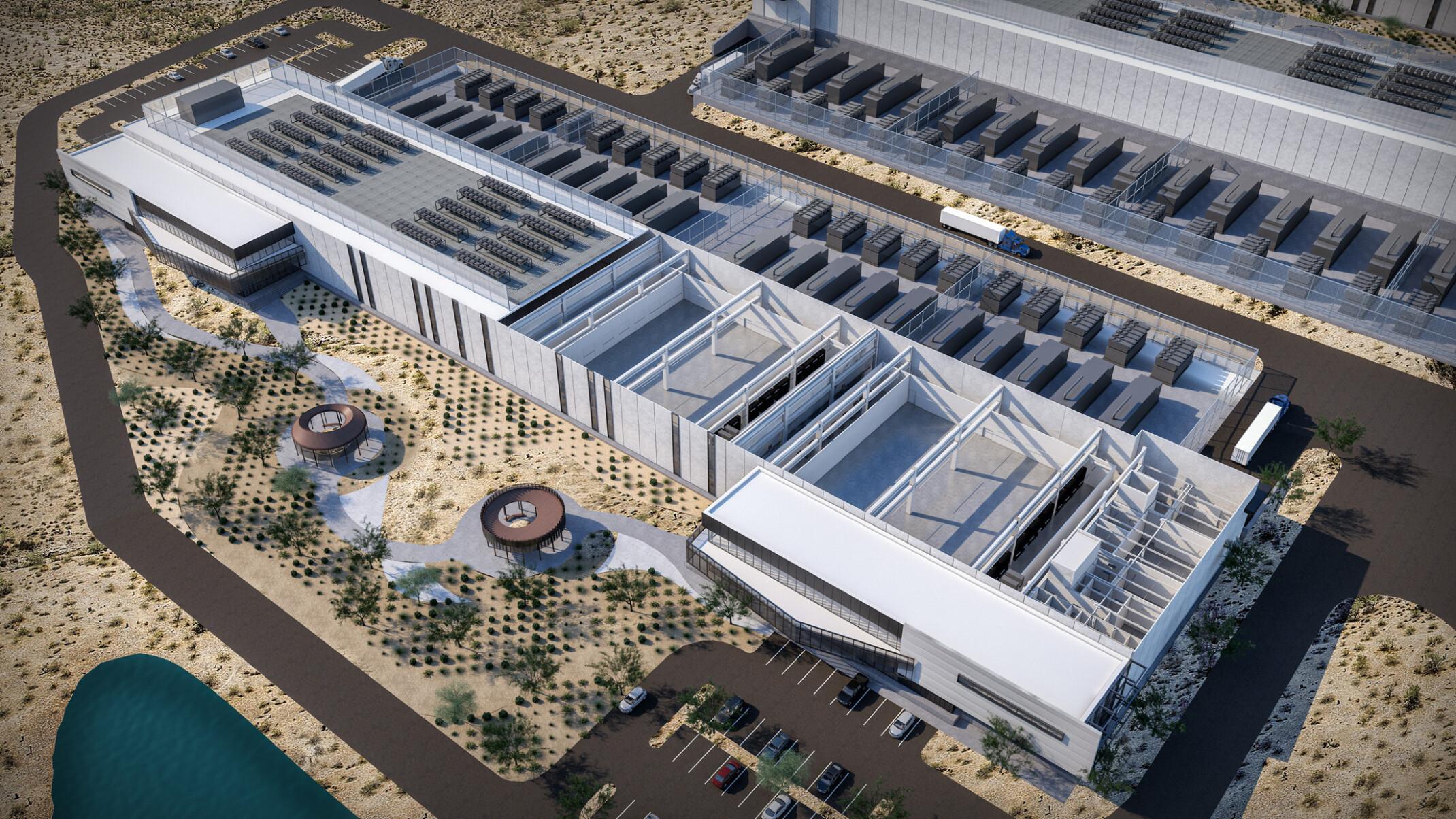
As digital transformation accelerates across industries, datacenters have become mission-critical infrastructure. From cloud computing and AI to financial transactions and enterprise systems, modern operations depend on secure, reliable, and high-performance data environments. Building a datacenter requires detailed planning, significant investment, and technical expertise to ensure long-term efficiency and uptime.
This practical guide outlines the essential components involved in building a modern datacenter, focusing on power, cooling, security, and scalability.
1. Strategic Planning and Site Selection
Before construction begins, thorough feasibility and planning assessments are essential.
Key Location Factors:
-
Reliable and redundant power supply
-
Proximity to fiber connectivity
-
Low risk of natural disasters
-
Climate conditions suitable for efficient cooling
-
Local regulations and tax incentives
Choosing the right location directly impacts operational reliability and long-term costs.
2. Power Infrastructure: The Backbone of a Datacenter
Power reliability is the most critical element of datacenter design.
Primary Utility Supply
Datacenters require high-capacity electrical feeds. Larger facilities may require dedicated substations to support heavy loads.
Backup and Redundancy Systems
To maintain uninterrupted operations, datacenters use:
-
Uninterruptible Power Supply (UPS) systems
-
Backup generators (diesel or natural gas)
-
Redundant power distribution systems
-
N+1 or 2N redundancy configurations
These systems ensure continuous uptime even during power failures.
Energy Efficiency
Optimizing Power Usage Effectiveness (PUE) reduces energy waste and operating costs. Intelligent monitoring systems help track and improve energy performance.
3. Cooling and Thermal Management
Servers generate significant heat, and improper cooling can lead to system failures.
Air Cooling Systems
Traditional cooling uses CRAC units and hot aisle/cold aisle containment to manage airflow efficiently.
Liquid Cooling
For high-density computing environments, liquid cooling provides more effective heat removal and improved energy efficiency.
Environmental Monitoring
Sensors monitor temperature, humidity, and airflow to maintain optimal operating conditions and prevent equipment damage.
Efficient cooling strategies not only protect hardware but also significantly lower energy consumption.
4. Security: Physical and Cyber Protection
Datacenters must protect both infrastructure and sensitive data.
Physical Security Measures
-
Controlled access points
-
Biometric authentication systems
-
24/7 surveillance monitoring
-
Secure perimeter fencing
Cybersecurity Controls
-
Firewalls and intrusion detection systems
-
Data encryption protocols
-
Network segmentation
-
Continuous security monitoring
A layered security approach safeguards critical systems from physical and digital threats.
5. Scalability and Future-Proofing
Technology evolves rapidly, making scalability a key design priority.
Modular Design
Modular construction allows facilities to expand capacity without disrupting operations.
Flexible Power and Cooling
Designing infrastructure with additional capacity supports future growth without major retrofits.
Supporting Emerging Technologies
Modern datacenters must accommodate AI workloads, edge computing, and high-performance computing demands.
Planning for scalability ensures the facility remains competitive and adaptable.
6. Sustainability Considerations
Environmental responsibility is becoming a core requirement in datacenter construction.
Renewable Energy Integration
Many operators integrate solar, wind, or other renewable energy sources.
Energy-Efficient Equipment
Advanced cooling systems and efficient hardware reduce overall energy consumption.
Carbon Reduction Initiatives
Green building strategies lower environmental impact and improve long-term cost efficiency.
Conclusion
building datacenter is a complex process that demands careful planning, robust infrastructure, and long-term strategic thinking. Power reliability, efficient cooling systems, strong security measures, and scalable design are essential components of a successful facility.
By prioritizing redundancy, sustainability, and adaptability, organizations can develop datacenters capable of supporting today’s digital demands while preparing for tomorrow’s technological advancements.

 English
 French
 Spanish
 Portuguese
 Deutsch
 Turkish
 Dutch
Dutch
 Italiano
 Russian
 Romaian
 Portuguese (Brazil)
 Greek
Greek