


What Makes a House Truly Environmentally Friendly?
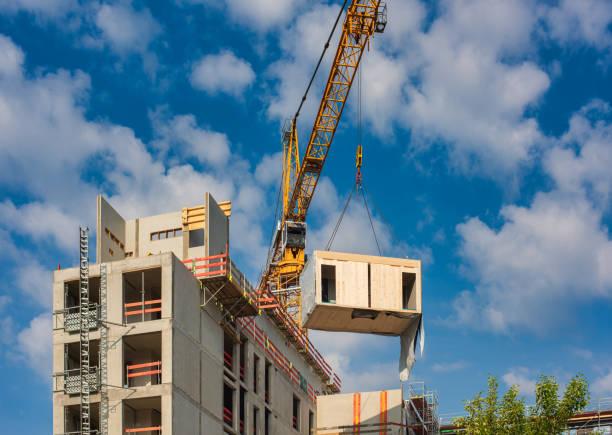
People throw around the phrase “green home” like it’s a paint color. Slap on some solar panels, and suddenly the place is eco-anything. But that’s not how it works. Real environmentally friendly houses are built with intention, from the dirt up. It’s not one feature. It’s a stack of decisions that add up over time. Materials. Energy. Water. How long will the place last before someone has to rip it apart and start again? And somewhere in that mix, early on, you’ll hear the phrase environmentally friendly houses. Not in a sales pitch way, but in a practical one. As in, “Will this house still make sense in 30 years?” That’s the real test. Let’s break it down, without the fluff.
Design Comes Before Gadgets
Most people start with technology. Solar. Batteries. Smart thermostats. Cool stuff, sure. But design is where the real work happens. An environmentally responsible home is shaped by the sun and the wind, not just by what looks good on Instagram. Windows face the right direction. Rooms are placed where heat and light make sense. Thick insulation sits quietly in the walls doing its job every day without needing an app update. If your house leaks heat in winter and traps it in summer, you’re already losing the battle. No amount of tech will save bad design. A truly eco-conscious house feels steady inside. Not freezing. Not boiling. Just… normal. And normal is underrated.
Materials Matter More Than People Think
Concrete, steel, timber, glass. Every material has a footprint. Some just hide it better. Environmentally friendly houses don’t chase perfection. They chase balance. Recycled where possible. Locally sourced when it makes sense. Long-lasting instead of trendy. You don’t want a house that looks good for five years and then starts falling apart like a cheap suitcase. Timber from managed forests. Low-tox paints. Insulation that doesn’t turn into landfill after one decade. These choices don’t scream “green” from the outside. But they matter more than flashy features. There’s also this idea that sustainable means fragile. That’s wrong. A strong house that lasts 80 years is far more sustainable than a delicate one that needs rebuilding in 20. Longevity is environmental responsibility, whether people like that phrase or not.
Energy Use Is the Big One
This is where things get real. Heating and cooling chew up most of a home’s energy. So the goal is simple: use less, need less, waste less. High-performance windows. Airtight construction. Proper ventilation that doesn’t dump warm air straight outside. Solar helps. Heat pumps help. Batteries help. But first, the house itself needs to behave. Like a thermos. Keep what’s inside, inside. An environmentally friendly house doesn’t fight nature all day. It works with it. Shade in summer. Warmth in winter. That’s not magic. That’s physics. And physics never lies.
Water Is Part of the Picture Too
People forget water. They shouldn’t. Rainwater tanks. Low-flow taps. Smart garden design that doesn’t drink like a marathon runner. These aren’t luxury items. They’re common sense in a world that’s getting hotter and drier. A truly eco-focused home treats water like energy. Something to protect, not waste. Greywater systems can feed gardens. Roof design can direct runoff. Even small decisions add up over the years. It’s not about living like a monk. It’s about not being careless.
Indoor Air and Human Health Count
Here’s the part that doesn’t get enough attention. You live inside this thing. If your house is full of chemical smells, damp corners, and poor ventilation, it’s not environmentally friendly. It’s just uncomfortable. Sustainability isn’t only about the planet. It’s about the people inside the walls. Good airflow. Natural light. Materials that don’t off-gas weird stuff into your lungs. These are quiet features, but they shape daily life. You sleep better. Think clearer. Get sick less often. That’s not a bonus. That’s the point. A healthy house is a sustainable house. End of story.
Who Builds It Changes Everything
You can design the best house on paper and still mess it up in real life. That’s where the builder comes in. This is where companies like Carland Constructions make a difference, especially when they actually understand what high-performance building means, not just how to say it. Environmentally friendly houses don’t come from shortcuts. They come from careful work. Tight construction. Details done right the first time. No guesswork. You need builders who care about air seals, insulation gaps, and thermal bridges. Not just tiles and taps. Because once the walls go up, mistakes get buried. And buried mistakes cost energy for decades. The third most important factor after design and materials? The people holding the tools.
It’s Not About Being Perfect
There’s this idea that a greenhouse has to be extreme. Off-grid. Weird looking. Full of rules. That scares people away. Truth is, most environmentally friendly houses are just… sensible. They don’t waste energy. They don’t poison the air. They don’t need constant repairs. They sit there quietly doing their job. Perfection isn’t required. Progress is. Even small steps matter if the structure is right. And once you live in one, it’s hard to go back. Drafty homes feel wrong. Noisy heaters feel outdated. High bills feel unnecessary. You notice the difference fast.
Conclusion: It’s a System, Not a Feature
So what makes a house truly environmentally friendly? It’s not one thing. It’s a system. Design, materials, energy, water, air, and the people who build it, all connected, and this is where Carland Constructions stands out. An eco home should feel solid. Calm. Efficient. It belongs in the future, not stuck in the past. Not fragile. Not complicated. Just well thought out. If your house works with the environment instead of fighting it, you’re on the right path. Everything else is decoration. And honestly, that’s the kind of future housing should aim for. Not louder. Not flashier. Just smarter, quieter, and built to last.
 Portuguese (Brazil)
 English
 Arabic
 French
 Spanish
 Portuguese
 Deutsch
 Turkish
 Dutch
Dutch
 Italiano
 Russian
 Romaian
 Greek
Greek