


Simplifying Office Printing with Networking Print Servers
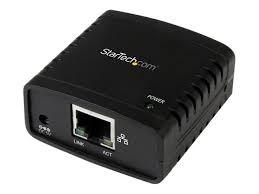
In modern workplaces, efficiency and connectivity are critical. Networking print servers play a key role in streamlining printing operations by allowing multiple users and devices to share one or more printers over a network. Instead of connecting printers directly to individual computers, a print server acts as a central hub that manages all print jobs across the organization.
Whether in small offices or large enterprises, networking print servers help reduce hardware clutter, improve workflow, and simplify printer management.
What Is a Networking Print Server?
A networking print server is a device or software solution that connects printers to a network, enabling multiple users to access them remotely. It can be a dedicated hardware device plugged directly into a printer, or it can be integrated into a router, computer, or even built into the printer itself.
The print server receives print requests from users, processes them, and sends them to the appropriate printer. This centralization ensures better coordination, especially in environments where many employees need regular access to shared printing resources.
Key Benefits of Networking Print Servers
One of the primary advantages of using a networking print server is improved resource sharing. Instead of purchasing individual printers for each workstation, businesses can deploy fewer printers that serve multiple users. This reduces equipment costs, maintenance requirements, and energy consumption.
Another significant benefit is centralized management. IT teams can monitor print queues, manage permissions, and troubleshoot issues from a single location. This not only saves time but also enhances security by controlling who can access specific printers.
Networking print servers also support scalability. As a business grows, additional users and printers can be integrated into the network without overhauling the entire printing infrastructure.
How Networking Print Servers Improve Workflow
By eliminating the need for direct physical connections, networking print servers create a more flexible work environment. Employees can send print jobs from desktops, laptops, or even mobile devices connected to the same network. This flexibility is especially valuable in hybrid or collaborative workplaces.
Print servers also help reduce bottlenecks. With queue management features, print jobs are organized efficiently, minimizing delays and ensuring that urgent documents are prioritized when necessary.
Choosing the Right Print Server Solution
When selecting a networking print server, it is important to consider compatibility, network capacity, and security features. Businesses should ensure the print server supports their printer models and operating systems. Advanced security protocols, such as user authentication and encrypted communication, are essential for protecting sensitive documents.
Additionally, companies should evaluate whether a hardware-based or software-based solution best fits their operational needs and budget.
Conclusion
Networking print servers are a practical and cost-effective solution for managing shared printing environments. By centralizing control, improving accessibility, and enhancing efficiency, they help businesses maintain organized and scalable printing systems. Investing in the right print server solution can lead to smoother workflows, reduced costs, and better overall productivity.
 Turkish
 English
 Arabic
 French
 Spanish
 Portuguese
 Deutsch
 Dutch
Dutch
 Italiano
 Russian
 Romaian
 Portuguese (Brazil)
 Greek
Greek