


Essential Guide to Surgical Sponge Holding Forceps
Precision defines the difference between a successful procedure and a complication in the operating room. Surgeons rely on an extensive toolkit where every instrument plays a specific, vital role in patient outcomes. While scalpels and retractors often get the spotlight, the humble yet indispensable holding instrument ensures clarity and safety throughout an operation. AzeeMed understands this critical need for reliability, crafting tools that medical professionals trust implicitly. This guide explores the definition, function, and importance of these essential sponge holding forceps.
Defining the Sponge Holding Forceps
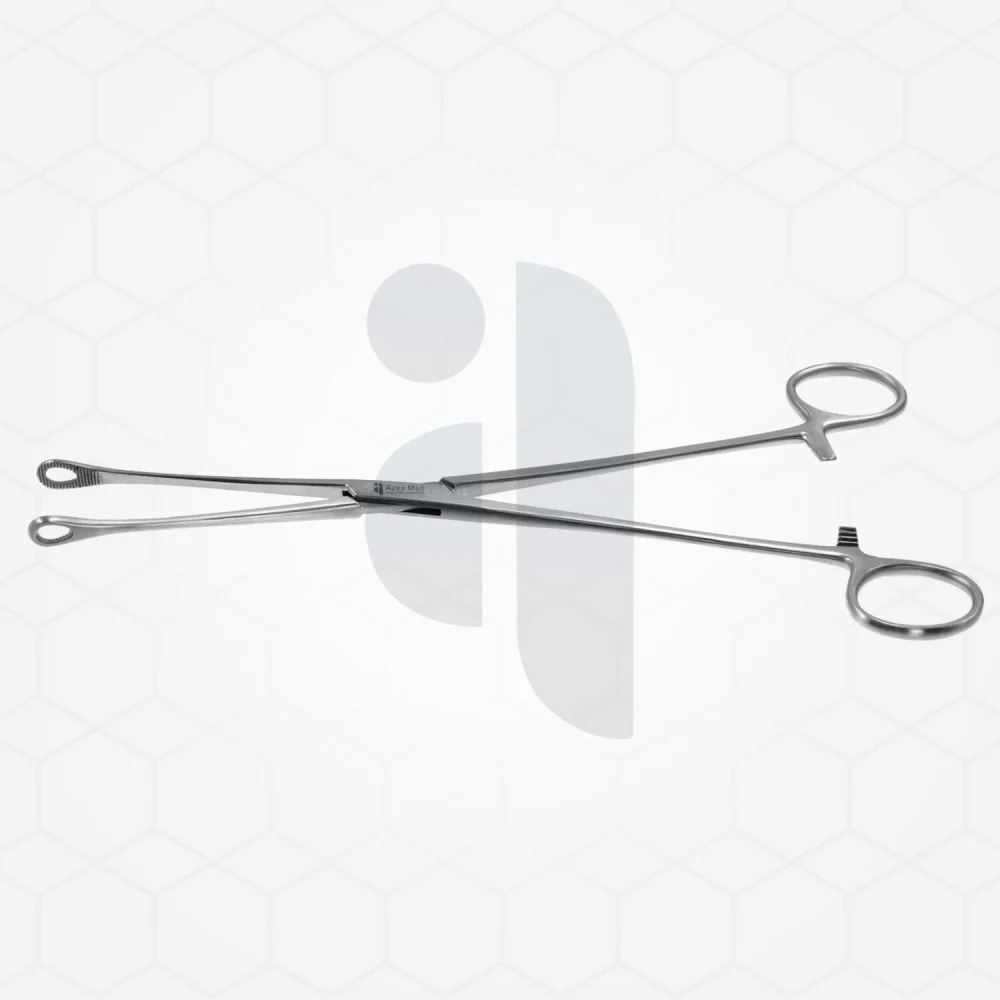
Medical professionals define sponge holding forceps as specialized surgical instruments designed primarily for grasping and holding surgical sponges or gauze. These tools typically feature a scissor-like mechanism with ring handles that allow the user to lock the jaws in a closed position. The jaws themselves are often serrated or fenestrated, meaning they have openings or grooves that provide a secure grip without crushing the delicate materials they hold. This design is crucial because it allows the surgeon or assistant to manipulate swabs effectively without the risk of slippage during critical moments of a procedure. The locking ratchet mechanism near the finger rings ensures that once the instrument clamps down on a sponge, it stays firmly in place until the user intentionally releases it.
Critical Functions in Surgery
The primary utility of surgical forceps lies in preparing the surgical site before an incision is ever made. Surgeons and nurses use these instruments to hold gauze squares dipped in antiseptic solutions like Betadine or chlorhexidine. They then use the clamped sponge to paint the patient's skin, sterilizing the area to prevent infection. This process requires an instrument that is long enough to keep the user's hands away from the sterile field while offering enough control to cover the entire surgical area thoroughly. Beyond skin preparation, these forceps serve as an extension of the surgeon's hands deep within body cavities. They can be used to blot blood, absorb fluids, or apply pressure to bleeding vessels using a mounted sponge, maintaining a clear field of view for the operating team.
Design Variations for Specific Needs
Not all surgeries require the exact same instrumentation, which is why manufacturers produce variations of these forceps. Some are straight, while others feature curved jaws to navigate around anatomical structures more easily. The length of the instrument also varies significantly depending on the depth of the surgical site. For instance, gynecological procedures often require longer shafts to reach the cervix, whereas general surface surgeries might utilize shorter versions. AzeeMed ensures that every variation meets rigorous standards, whether the tool is destined for plastic surgery, dental work, or complex neurosurgery. The surface finish is typically matte or satin to reduce glare from bright operating theater lights, a small detail that significantly reduces eye strain for the surgical team during long procedures.
Material Quality and Sterilization
Durability is non-negotiable when it comes to surgical instrumentation. High-quality sponge holding forceps are almost exclusively manufactured from medical-grade stainless steel. This material choice is deliberate because it resists corrosion and withstands the harsh environment of repeated sterilization cycles. Hospitals use autoclaves that subject instruments to high pressure and steam, a process that would rapidly degrade lesser metals. The steel must maintain its tensile strength and the integrity of the ratchet mechanism over years of use. If the metal is too soft, the jaws may become misaligned; if it is too brittle, the instrument could snap under pressure. Premium manufacturing processes ensure that the passivation layer on the steel remains intact, protecting the instrument from rust and ensuring it remains sterile and safe for patient use.
The Role in Specialized Surgeries
While commonly associated with general surgery and gynecology, these versatile tools find their way into almost every specialty. In orthopedic surgeries, they might be used to clear debris from a joint space or manage fluids around a fracture site. During thoracic surgery, a sponge holding forceps is essential for creating dissection planes or gently retracting lung tissue with a mounted sponge to avoid direct trauma from sharper instruments. Even in ophthalmic or dental procedures, smaller versions of holding forceps assist in keeping the operative field dry and manageable. This universality makes them a staple in every instrument tray, from the emergency room to the specialized surgical suite.
Avoiding Tissue Trauma
One of the most important aspects of using these instruments is safety. Unlike tissue forceps which often have teeth designed to bite into skin or muscle, sponge forceps generally have smooth or serrated loops. This design prevents accidental trauma if the instrument comes into contact with delicate internal tissues. However, care must still be taken. Surgeons are trained to use sponge holding forceps strictly for their intended purpose—handling dressings and sponges—rather than grasping sensitive viscera directly, unless specifically indicated for a procedure where blunt retraction is necessary. The rounded tips and lack of sharp edges are intentional safety features that protect the patient from inadvertent injury during the fluid movements of an operation.
Choosing the Right Manufacturer
The market is flooded with surgical instruments, but discerning medical facilities prioritize quality over cost. An instrument that fails during a procedure is a liability that no hospital can afford. AzeeMed has spent over two decades refining the manufacturing process to deliver instruments that feel balanced in the hand and function flawlessly. When a surgeon reaches for a tool, they expect a consistent weight, a smooth action in the hinge, and a ratchet that locks securely every time. Investing in superior instrumentation translates directly to operational efficiency. It reduces the frequency of replacements and ensures that the surgical team can focus entirely on the patient rather than fighting with stiff or misaligned equipment.
 Deutsch
 English
 Arabic
 French
 Spanish
 Portuguese
 Turkish
 Dutch
Dutch
 Italiano
 Russian
 Romaian
 Portuguese (Brazil)
 Greek
Greek