


How an Industrial Garbage Compactor Supports Organized Waste Storage
In the bustling environment of industrial facilities, waste management is a critical operational component. Disorganized waste storage leads to safety hazards, inefficiency, and increased costs. An industrial garbage compactor is a powerful solution that transforms chaotic waste handling into a streamlined, organized process. This blog explores the key ways this equipment brings order and efficiency to waste storage.
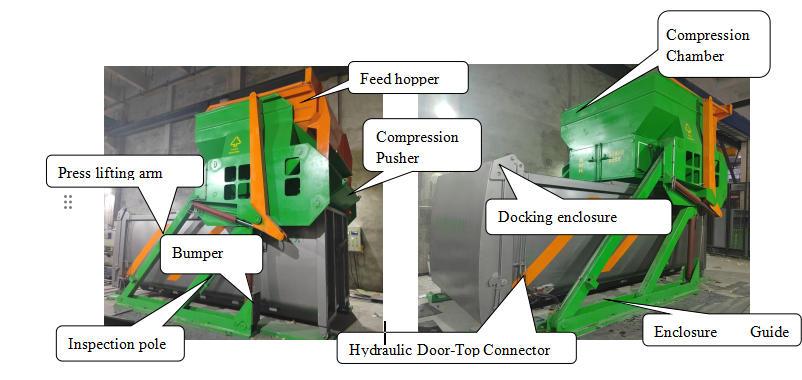
Maximizing Space Utilization
The primary function of an industrial compactor is to compress loose, bulky waste into a fraction of its original volume. By dramatically reducing the size of waste materials—whether cardboard, plastics, packaging, or general non-hazardous refuse—it minimizes the footprint required for waste storage on-site. This creates a cleaner, more organized workspace and allows for less frequent waste collection, as each compactor container holds significantly more material than a pile of loose trash.
Containing and Securing Waste
Unlike open dumpsters or waste piles, an industrial compactor stores waste within a sealed container or a closed compaction chamber. This containment is vital for organization.
First, it prevents waste from scattering due to wind or accidental contact, keeping the facility grounds clean.
Second, it acts as a deterrent to pests and rodents, which are attracted to open waste but cannot access compacted material in a sealed unit.
Third, it helps control odors and potential liquid runoff, contributing to a more hygienic and compliant work environment.
Streamlining Workflow and Safety
An organized waste management system requires clear processes. Placing compactors in strategic, designated locations creates predictable waste collection points for employees.
This reduces the time and labor spent on waste collection, as staff are not navigating around scattered bins or overflowing dumpsters.
Furthermore, by compacting waste into dense, stable blocks within a container, it eliminates unstable trash piles that can collapse and cause injuries. A cleaner floor free of debris also reduces slip-and-fall hazards, directly supporting workplace safety initiatives.
Improving Recycling Efforts
For facilities with recycling programs, specialized compactors (like those for cardboard-only or plastics) are invaluable for organization. They allow for source-separated recycling streams to be managed efficiently and stored compactly. Clean, compacted bales of recyclables are easier to handle, store, and sell to recycling vendors, turning waste into a potential revenue stream while keeping recyclable materials neatly organized and separate from landfill-bound waste.
Conclusion
An industrial garbage compactor is far more than just a machine to crush trash. It is a cornerstone of an organized, safe, and cost-effective waste management strategy. By maximizing space, containing waste, streamlining workflow, and aiding recycling, it brings essential order to an area of operations that is fundamental to both facility efficiency and environmental responsibility.
 Romaian
 English
 Arabic
 French
 Spanish
 Portuguese
 Deutsch
 Turkish
 Dutch
Dutch
 Italiano
 Russian
 Portuguese (Brazil)
 Greek
Greek