


A Comprehensive Guide to Blowout Preventer (BOP): Ensuring Safety in the Oil and Gas Industry
In the oil and gas drilling industry, ensuring safety and environmental protection is paramount. The blowout preventer (BOP) stands as a critical component, shielding drilling operations from catastrophic accidents. The Deepwater Horizon incident in 2010 underscored the significance of robust blowout preventers in averting environmental and economic disasters. This article explores the key functions, components, challenges, and innovative technologies driving the evolution of blowout preventers in the oil and gas sector.
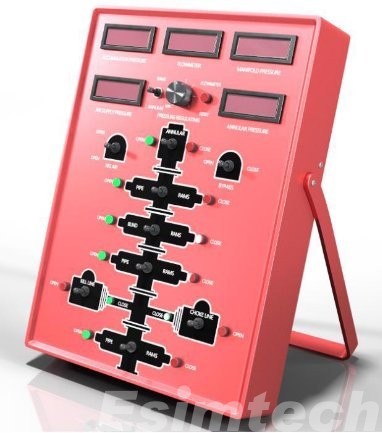
The Key Functions and Importance of Blowout Preventers:
1. Emergency Shut-off:
In response to sudden pressure surges or loss of control, a blowout preventer can be activated to swiftly seal around the wellbore, cutting off fluid flow and preventing a blowout.
2. Well Control:
Throughout drilling and completion processes, the BOP maintains the well's pressure balance, ensuring appropriate drilling mud circulation and overall well stability.
3. Environmental Protection:
Blowout preventers play a crucial role in averting oil spills and reducing their environmental impact by closing the wellbore and restricting the uncontrolled flow of hydrocarbons.
The Key Components of Blowout Preventers:
1. Annular Preventers:
Doughnut-shaped devices encircling drill pipes, casing, or open holes, equipped with rubber or metal sealing devices for a versatile and adaptable seal against fluid flow.
2. Ram Preventers:
Hydraulic devices closing around drill pipes, casing, or open holes, classified into blind rams, pipe rams, and shear rams, each serving specific applications during well control scenarios.
3. Hydraulic Systems:
Powering the movement of various components within the blowout preventer, ensuring quick and precise activation even under high pressures and dynamic conditions.
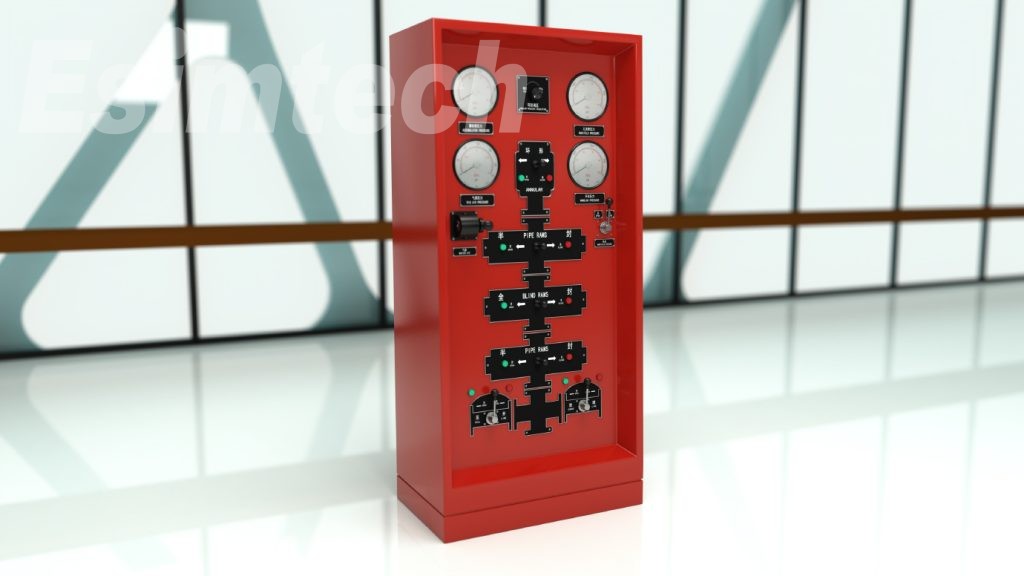
4. Control Systems:
Modern blowout preventers incorporate extensive control systems for remote monitoring and activation, offering operators precise control over the wellbore's pressure and component movements.
5. Choke and Kill Lines:
Pipelines connected to the BOP stack for controlling fluid flow from the wellbore, with choke lines regulating flow rates and kill lines used for adding fluids or chemicals to regain control of well pressure.
6. Manifold:
A collection of valves and pipelines connecting choke and kill lines to the drilling rig and surface equipment, facilitating fluid flow adjustments during routine operations and emergencies.
7. Accumulator System:
Stores hydraulic fluid under pressure, ensuring that even in the event of a primary hydraulic power source failure, the BOP can function effectively.
8. Sealing Elements and Gaskets:
Various sealing devices and gaskets ensuring tight seals between components, preventing fluid leaks and maintaining wellbore integrity.

Challenges and Innovations for Blowout Preventers:
Challenges:
Complexity and Maintenance: Regular inspection and maintenance of complex components.
Extreme Operating Conditions: Resistance to high pressures, temperatures, corrosive fluids, and abrasive materials.
Human Error and Training: Adequate training to prevent delays and errors during emergencies.
Real-time Monitoring and Data Analysis: Challenges in analyzing vast data generated by BOPs.
Deepwater and Subsea Challenges: Addressing unique challenges in deepwater and subsea environments.
Innovations:
Remote Operation and Automation: Minimizing human intervention for remote monitoring and control.
Digital Twin Technology: Virtual replicas for real-time simulations and testing.
Condition Monitoring and Predictive Analytics: Sensors and analytics for predicting breakdowns.
Material Improvements: Development of durable and corrosion-resistant materials.
Redundancy and Redundant Systems: Implementing backup systems for added security.
Real-time Training Simulators: Simulation for operators to practice emergency scenarios.
Standardization and Regulation: Industry-wide standards for consistent quality and performance.
Improved Emergency Response Plans: Thorough plans for precise procedures in well control scenarios.
Conclusion:
Blowout preventers in the oil and gas industry are at the forefront of technological innovation, ensuring safety, integrity, and environmental protection. From real-time monitoring to material advancements and automation, the industry is committed to enhancing the reliability and effectiveness of blowout preventers. As technology continues to evolve, these guardians at drilling sites remain crucial in guaranteeing responsible exploration and extraction of oil and gas resources while safeguarding the environment and human lives.
 Dutch
Dutch
 English
 Arabic
 French
 Spanish
 Portuguese
 Deutsch
 Turkish
 Italiano
 Russian
 Romaian
 Portuguese (Brazil)
 Greek
Greek