


Island Architecture: How Island Design Reflects Culture and Climate
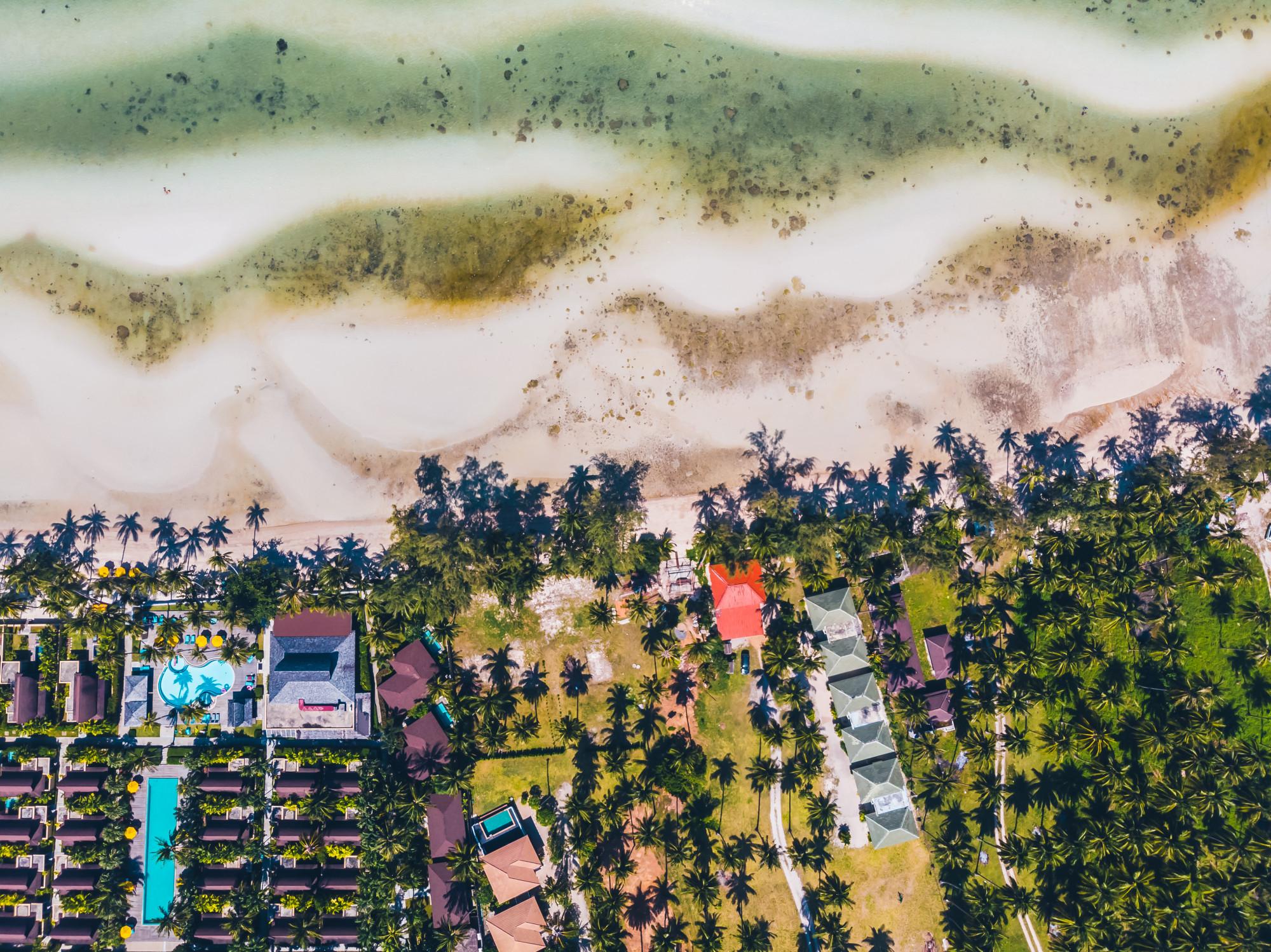
Island architecture is more than just visually pleasing buildings surrounded by blue waters. It is a thoughtful response to nature, climate, available materials, and centuries-old cultural traditions. From stilted homes rising above tropical lagoons to whitewashed stone houses facing strong coastal winds, island design tells a story of adaptation, resilience, and identity.
Unlike mainland architecture, island architecture evolves under unique environmental pressures. Limited resources, extreme weather conditions, isolation, and strong community values all influence how homes and public spaces are designed. This article explores how island architecture reflects both culture and climate, shaping living spaces that are functional, sustainable, and deeply rooted in local heritage.
Understanding Island Architecture
Island architecture refers to the building styles developed on islands across the world, shaped by geography, weather patterns, and cultural practices. Whether in the Caribbean, the Mediterranean, the Pacific, or Southeast Asia, island structures share a common purpose: to provide comfort and safety while harmonizing with the surrounding environment.
Because islands often face challenges such as hurricanes, monsoons, high humidity, salt air, and limited land, architectural solutions are practical rather than purely decorative. Over time, these practical choices become traditions, forming distinct architectural identities.
Climate as a Key Design Influence
Adapting to Heat and Humidity
Most islands experience warm or tropical climates, making temperature control a central concern. Traditional island homes are designed to stay cool naturally without relying heavily on mechanical systems.
Common features include:
-
Open floor plans that allow air to circulate freely
-
High ceilings that let hot air rise
-
Large windows, shutters, or louvers to encourage cross-ventilation
-
Verandas and shaded outdoor spaces for cooling and socializing
In places like the Caribbean and Southeast Asia, homes often face prevailing winds to maximize airflow, reducing indoor heat naturally.
Protection Against Storms and Extreme Weather
Islands are frequently exposed to cyclones, hurricanes, tsunamis, and heavy rainfall. Architecture reflects this reality through resilient design strategies.
Examples include:
-
Elevated houses or homes on stilts to avoid flooding
-
Sloped roofs to quickly drain rainwater
-
Reinforced walls and compact building shapes to resist strong winds
-
Deep roof overhangs to protect walls from rain and sun
In the Pacific Islands, stilted homes not only protect against floods but also allow cooling breezes to flow beneath the structure.
The Role of Local Materials
Using What the Island Provides
Island architecture heavily relies on locally available materials due to isolation and transportation challenges. Coral stone, volcanic rock, timber, bamboo, palm leaves, and clay are commonly used across different regions.
These materials offer several benefits:
-
Natural insulation suitable for the local climate
-
Lower environmental impact
-
Easy maintenance and repair
-
Aesthetic harmony with the natural landscape
For example, coral limestone buildings in the Maldives and Zanzibar help regulate indoor temperatures, while bamboo structures in tropical islands offer flexibility during earthquakes.
Sustainability Through Tradition
Long before modern sustainability concepts existed, island communities practiced eco-friendly construction. Materials were sourced responsibly, reused when possible, and chosen for durability.
This traditional approach aligns closely with modern green architecture, proving that cultural wisdom often precedes technological solutions.
Cultural Identity in Island Design
Architecture as a Cultural Expression
Island architecture is deeply intertwined with cultural beliefs, social structures, and daily lifestyles. Homes are not just shelters; they are reflections of how communities live, gather, and interact.
In many island cultures:
-
Homes are designed around communal living
-
Outdoor spaces are equally important as indoor areas
-
Layouts support extended family systems
-
Religious or spiritual symbols are integrated into structures
For example, Polynesian houses often emphasize open communal areas, reflecting the importance of social bonds and shared experiences. If you’re passionate about island architecture or have your own travel stories to share, write for us travel and contribute your story, where we showcase unique perspectives on culture and design around the world.
Symbolism and Aesthetics
Colors, shapes, and decorative elements in island architecture often carry symbolic meaning. Bright colors in Caribbean homes reflect joy, identity, and colonial history, while whitewashed buildings in Greek islands symbolize purity and help reflect sunlight.
Roof shapes, carvings, and spatial layouts may represent cultural values, social hierarchy, or spiritual beliefs, making architecture a visual language of tradition.
Regional Examples of Island Architecture
Mediterranean Islands
Mediterranean island architecture, such as in Santorini or Ibiza, is known for white walls, blue accents, and cubic forms. These designs help reflect sunlight, reduce heat absorption, and withstand dry, windy conditions.
Narrow streets, thick stone walls, and compact buildings protect against strong winds and preserve cool interiors during hot summers.
Caribbean Islands
Caribbean architecture blends African, European, and indigenous influences. Wooden houses with wide verandas, pastel colors, and elevated foundations are common.
These features support ventilation, provide shade, and reduce damage during tropical storms while preserving vibrant cultural identity.
Pacific Islands
Pacific island homes often use organic materials like palm leaves, wood, and bamboo. Structures are lightweight, flexible, and open, allowing easy airflow and quick rebuilding after storms.
The simplicity of design reflects a close connection to nature and a lifestyle centered around community and environment.
Modern Island Architecture and Innovation
Blending Tradition with Technology
Modern island architecture increasingly combines traditional wisdom with contemporary design and technology. Architects now integrate solar panels, rainwater harvesting systems, and energy-efficient materials while respecting cultural aesthetics.
This fusion ensures:
-
Reduced environmental impact
-
Improved resilience against climate change
-
Preservation of cultural identity
Modern resorts and eco-homes often adopt traditional island design principles to create sustainable luxury without harming the local ecosystem.
Responding to Climate Change
Rising sea levels and increasing storm intensity have made adaptive architecture more critical than ever. Floating homes, modular structures, and climate-responsive designs are emerging as solutions for vulnerable island communities.
Island architecture continues to evolve, balancing innovation with tradition to protect both people and heritage.
Why Island Architecture Matters Today
Island architecture offers valuable lessons for the global world. Its emphasis on climate responsiveness, sustainability, and community-oriented design provides inspiration for urban planning and modern housing everywhere.
As climate challenges increase worldwide, the principles used in island design natural cooling, local materials, and environmental harmony, are becoming increasingly relevant beyond islands.
Conclusion
Island architecture is a powerful example of how humans adapt creatively to their environment. Shaped by climate and culture, island design reflects centuries of knowledge, resilience, and respect for nature. From wind-cooled homes to storm-resistant structures, every architectural element serves a purpose rooted in survival and identity.
By preserving traditional practices while embracing modern innovation, island architecture continues to thrive as a symbol of sustainable living. It reminds us that the best designs are those that listen to the land, honor culture, and respond thoughtfully to the climate.
 Deutsch
 English
 Arabic
 French
 Spanish
 Portuguese
 Turkish
 Dutch
Dutch
 Italiano
 Russian
 Romaian
 Portuguese (Brazil)
 Greek
Greek