


How to Choose the Right Computer Desk for Your Space
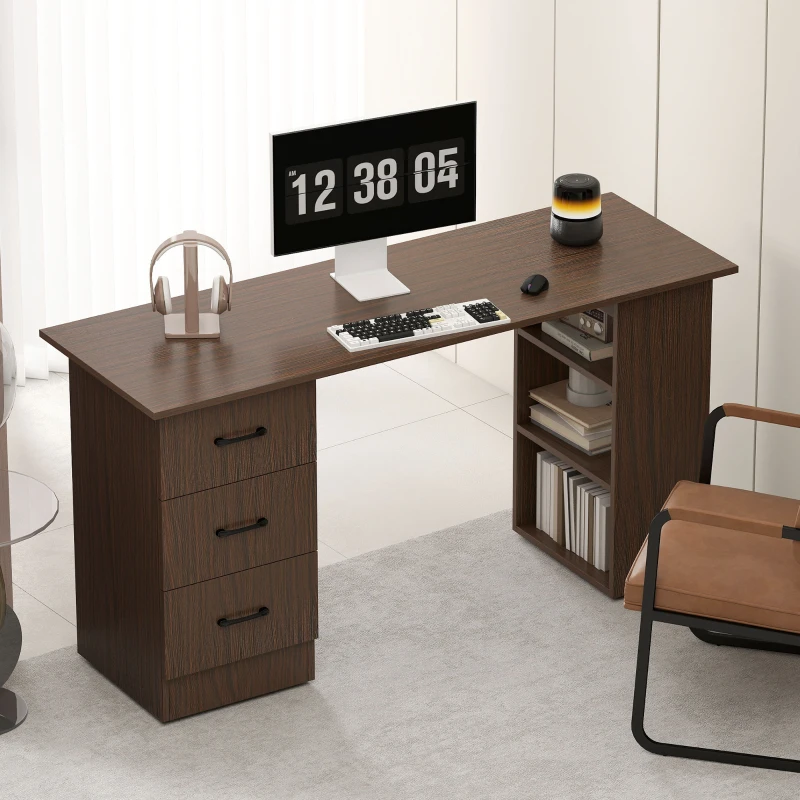
A computer desk is more than a surface to place a screen. It shapes how comfortably you work, how organised your room feels, and how easily you can stay focused throughout the day. The right desk should fit your space naturally, support your daily tasks, and blend into your home without feeling oversized or awkward.
Below is a practical, space-aware guide using a mix of short sections, bullet points, and clear explanations to help you make the right choice.
Start With the Available Space
Before looking at designs or features, understand the area where the desk will go.
Key things to check:
-
Wall width and usable depth
-
Clearance for chairs and movement
-
Nearby doors, windows, or walkways
A desk that technically fits but blocks movement or light will quickly feel uncomfortable. Always plan for breathing room around it.
Desk Size Should Match Your Work Style
How you use your desk matters just as much as where it goes.
Consider your setup:
-
Laptop only or desktop with monitor
-
One screen or multiple
-
Writing, gaming, or paperwork
Minimal setups work well with compact desks, while multitasking requires a wider surface. Too small leads to clutter, too large overwhelms the room.
Choose the Right Desk Shape
Different shapes work better in different layouts.
Common options:
-
Straight desks: Flexible and easy to place
-
Corner desks: Ideal for unused corners and smaller rooms
-
L-shaped desks: Good for separating tasks in larger spaces
Let the room decide the shape, not the trend.
Think About Storage Needs
Storage can help or hurt depending on how it’s used.
Helpful storage options:
-
Slim drawers for essentials
-
Open shelves for quick access
-
Side cabinets for paperwork
If you prefer a clean look, lighter storage paired with nearby shelving often feels less bulky than heavy built-in units.
Comfort Comes From Legroom
What’s under the desk matters more than most people realise.
Check for:
-
Enough knee and leg clearance
-
No bars or drawers blocking movement
-
Space for chair adjustment
A desk that restricts movement will never feel comfortable, even if it looks good.
Material Affects Daily Use
Desk materials influence durability, upkeep, and overall feel.
Common choices:
-
Wood finishes for warmth and stability
-
Engineered wood for affordability and consistency
-
Metal frames for strength and modern appeal
-
Glass tops for visual lightness in small rooms
Choose based on how often the desk will be used and how much maintenance you want.
Keep the Room’s Style Balanced
The desk should feel like it belongs in the room.
Tips for visual balance:
-
Match tones with existing furniture
-
Keep lines simple in compact spaces
-
Avoid overly bulky designs in lighter rooms
A well-matched desk makes the entire room feel calmer and more intentional.
Cable Management Matters
Messy cables can make even the best desk feel chaotic.
Look for:
-
Built-in cable holes
-
Open backs or cable trays
-
Space for power bars
Planning this early keeps the workspace tidy and easy to manage long-term.
Plan for Future Flexibility
Work needs often change.
A desk that lasts should:
-
Offer a little extra surface space
-
Work with different seating options
-
Stay neutral enough to adapt to room changes
Midway through planning, comparing different computer desks side by side often helps clarify what truly fits your space and daily routine.
The right computer desk blends into your space while supporting the way you work. When size, layout, and comfort are well balanced, it enhances your room without overpowering it. Measure thoughtfully, consider your daily routine, and choose a desk that fits naturally, creating a workspace that feels organised, comfortable, and easy to use every day.
 French
 English
 Arabic
 Spanish
 Portuguese
 Deutsch
 Turkish
 Dutch
Dutch
 Italiano
 Russian
 Romaian
 Portuguese (Brazil)
 Greek
Greek