


How Much Alcohol Is in Champagne? A Simple Guide
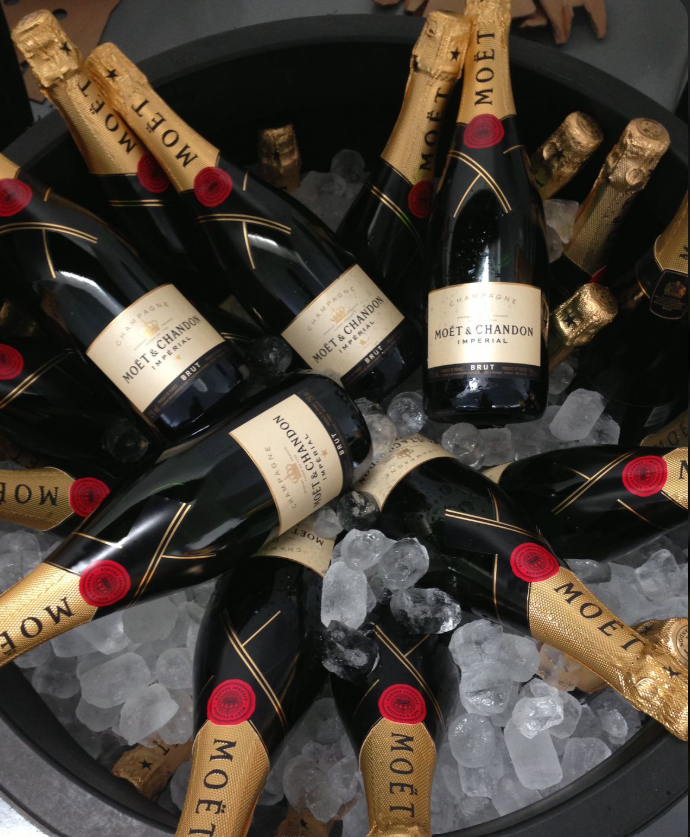
Champagne is often linked with celebrations, weddings, New Year’s Eve, and special milestones. While many people enjoy its crisp bubbles and elegant taste, a common question comes up before pouring a glass: how much alcohol is actually in Champagne? This simple guide explains the alcohol content of Champagne in clear, easy-to-understand language, with practical examples to help you enjoy it responsibly and confidently.
What Is the Alcohol Content in Champagne?
On average, Champagne contains about 12% alcohol by volume (ABV). This means that roughly 12% of the liquid in a bottle is pure alcohol. Most traditional Champagnes fall within a range of 11% to 12.5% ABV, which is similar to many still wines.
For comparison:
-
Champagne: around 12% ABV
-
Red or white wine: 12%–14% ABV
-
Beer: 4%–6% ABV
-
Spirits like vodka or whiskey: 40% ABV
So, Champagne is much stronger than beer but far lighter than hard spirits.
Why Champagne Alcohol Levels Stay Moderate
Champagne is made using a carefully controlled fermentation process. After the first fermentation (which creates alcohol), a second fermentation happens inside the bottle, producing carbon dioxide—the bubbles Champagne is famous for. This second step adds only a small amount of alcohol but significantly increases the sparkle and texture.
Because Champagne is designed to be refreshing, crisp, and balanced, producers rarely push alcohol levels too high. A lower to moderate ABV helps preserve its elegance and makes it suitable for celebrations where people may enjoy more than one glass.
Does All Champagne Have the Same Alcohol Content?
Not exactly. While most bottles are close to 12% ABV, a few factors can cause small differences:
1. Grape Ripeness
Riper grapes contain more natural sugar, which can turn into more alcohol during fermentation. Cooler growing seasons usually result in slightly lower alcohol levels.
2. Champagne Style
-
Brut Champagne (the most common style) usually sits around 12%.
-
Extra Brut or Brut Nature can feel lighter, though the alcohol percentage is often similar.
-
Demi-Sec or Sweet Champagne may taste sweeter, but sweetness does not always mean higher alcohol.
3. Vintage vs Non-Vintage
Vintage Champagnes (made from grapes of a single year) can sometimes be a bit stronger if the harvest was particularly ripe, but differences are usually small.
Why Champagne Feels Stronger Than It Is
Many people say Champagne “goes to the head faster,” even though its alcohol content is similar to wine. This feeling comes from the bubbles.
Carbonation speeds up how quickly alcohol is absorbed into the bloodstream. The carbon dioxide in Champagne helps alcohol enter the body faster, which can make you feel its effects sooner—even if you’re drinking the same amount of alcohol as you would with still wine.
How Much Alcohol Is in a Glass of Champagne?
A standard serving of Champagne is about 5 ounces (150 ml).
-
One 5-ounce glass of 12% Champagne contains roughly 0.6 ounces of pure alcohol, similar to:
-
One 5-ounce glass of wine
-
One 12-ounce beer
A standard 750 ml bottle of Champagne usually pours five glasses, meaning a full bottle contains about the same total alcohol as a bottle of regular wine.
Is Champagne a Lighter Choice for Celebrations?
For many people, yes. Champagne is often served in smaller glasses, sipped slowly, and enjoyed with food. These habits naturally encourage moderation. Its refreshing nature also makes it appealing without the heaviness some higher-alcohol drinks bring.
However, because it’s easy to drink and often associated with toasts and parties, it’s still important to pace yourself—especially at longer events.
Champagne and Food Pairing: A Helpful Balance
Drinking Champagne with food can slow alcohol absorption and enhance the experience. Classic pairings include:
-
Soft cheeses
-
Seafood like oysters or shrimp
-
Light appetizers and finger foods
Food not only complements Champagne’s flavor but also helps your body process alcohol more comfortably.
Tips for Enjoying Champagne Responsibly
-
Serve Champagne chilled to slow down drinking
-
Use proper flutes to preserve bubbles and aroma
-
Pair with light foods like cheese, seafood, or fruits
-
Drink water between glasses
These small habits help you enjoy Champagne’s flavor without overindulging.
Choosing Champagne for Gifting or Events
When selecting Champagne for a gift or celebration, knowing the alcohol level can help you choose confidently. Champagne’s moderate ABV makes it a versatile option for many occasions, from formal dinners to casual gatherings.
Final Thoughts
How much alcohol is in Champagne is a question many people ask before raising a glass at a celebration. Champagne is often seen as light, bubbly, and easy to drink, but its alcohol content is similar to that of many wines. Knowing what’s in your glass helps you enjoy it responsibly, whether you’re toasting a special moment or gifting a bottle to someone special.
The alcohol percentage of Champagne usually stays around 12%, which means it’s not as mild as it may taste. The fine bubbles and smooth flavor can make it feel lighter, but the effects can still add up quickly. Understanding this balance between taste and strength allows you to sip with confidence and make better choices for any occasion.
 Romaian
 English
 Arabic
 French
 Spanish
 Portuguese
 Deutsch
 Turkish
 Dutch
Dutch
 Italiano
 Russian
 Portuguese (Brazil)
 Greek
Greek