


How Do Russian Composers Use Folk Tunes in Their Compositions?
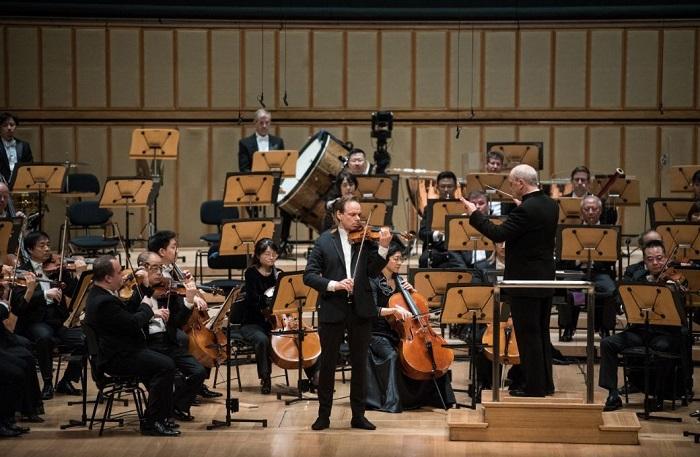
Russian classical music has long been admired for its emotional depth, rich colors, and unmistakable national character. One of the most powerful forces behind this identity is the creative use of folk tunes. From simple peasant songs to ancient ritual melodies, folk music has served as both inspiration and raw material for generations of composers. By transforming these traditional elements into sophisticated symphonic, operatic, and chamber works, Russian Composers forged a musical language that reflects history, geography, and collective memory. Understanding how folk tunes are used reveals not only compositional techniques but also deeper cultural intentions that shaped Russia’s musical heritage.
The Cultural Importance of Folk Music in Russia
Roots in Oral Tradition and Everyday Life
Russian folk music developed over centuries as part of daily life rather than formal performance. Songs accompanied agricultural labor, weddings, religious festivals, and communal gatherings. These melodies were passed down orally, often changing subtly from region to region. When Russian Composers encountered folk tunes, they encountered music that carried the voices of common people, shaped by landscape, hardship, and celebration.
This cultural depth made folk music an ideal source for composers seeking authenticity. Unlike Western European traditions that emphasized courtly or church-based music, Russian folk tunes embodied communal experience. Incorporating them into art music allowed composers to bridge the gap between elite concert halls and the lived realities of the nation.
Folk Identity and National Consciousness
During the nineteenth century, Russia experienced a growing interest in defining a distinct national identity. Folk music became a symbol of cultural independence from Western Europe. Russian Composers saw folk tunes not as primitive material but as a foundation for a national style that could stand alongside German, Italian, and French traditions.
By embedding folk melodies into classical forms, composers could assert that Russian culture possessed its own artistic legitimacy. This approach aligned music with broader intellectual movements that celebrated national history, language, and customs.
The Russian Nationalist Movement in Music
The Mighty Handful and Folk Inspiration
A turning point in the use of folk tunes came with the group known as the Mighty Handful, or The Five: Mily Balakirev, Modest Mussorgsky, Nikolai Rimsky-Korsakov, Alexander Borodin, and César Cui. These Russian Composers deliberately rejected strict Western academic training in favor of intuitive, folk-based creativity.
Balakirev actively collected folk songs and encouraged others to use them. Mussorgsky often wrote melodies that sounded like folk tunes even when they were original, capturing speech rhythms and raw emotional expression. Borodin incorporated folk-like themes that conveyed epic strength and nobility. Rimsky-Korsakov refined folk material through brilliant orchestration, making it accessible and vivid.
Folk Tunes as Structural Material
Rather than merely quoting folk melodies, these composers used them as structural elements. Folk scales, irregular rhythms, and modal harmonies influenced entire compositions. This approach allowed folk music to shape the character and direction of a work rather than serving as decoration.
In this way, folk tunes became integral to musical storytelling. Operas, symphonic poems, and orchestral suites used folk material to depict historical events, mythical landscapes, and collective struggles.
Techniques for Incorporating Folk Tunes
Direct Quotation and Transformation
One method used by Russian Composers involved direct quotation of authentic folk melodies. These tunes were often harmonized, orchestrated, or rhythmically altered to fit classical forms. By transforming simple melodies through variation and development, composers elevated folk material while preserving its recognizable essence.
This technique allowed audiences to hear familiar tunes in new contexts. A simple village song could become the basis for a grand symphonic movement, creating a powerful emotional connection between listener and music.
Invented Folk Melodies
Another common technique was the creation of original themes designed to sound like folk music. Composers studied the characteristics of folk tunes, such as narrow melodic ranges, repetitive patterns, and modal scales. They then composed new melodies that captured these traits without directly quoting existing songs.
This approach gave composers greater freedom while maintaining a folk aesthetic. It also avoided the limitations of specific melodies, allowing themes to be shaped precisely to dramatic or structural needs.
Folk Elements in Opera and Vocal Music
Folk Song and Character Representation
Opera provided an ideal platform for folk-inspired music. Russian Composers often used folk tunes to represent specific characters, social classes, or regional identities. Peasants, soldiers, and villagers were frequently associated with folk-like melodies, reinforcing realism and cultural authenticity.
In works such as Mussorgsky’s operas, vocal lines mirror the rhythms and inflections of spoken Russian, closely resembling folk song traditions. This technique enhanced dramatic impact and made characters feel grounded in real life rather than idealized archetypes.
Choral Traditions and Communal Voice
Choral music also played a crucial role. Russian folk traditions emphasized communal singing, and composers translated this into powerful choral scenes. Large ensembles singing folk-inspired material symbolized unity, shared suffering, or collective joy.
These choral passages often serve as emotional anchors within larger works, reminding listeners that individual stories exist within a broader social context.
Folk Influence in Symphonic and Instrumental Music
Orchestration and Color
Russian Composers used orchestration to enhance the folk character of melodies. Bright brass, resonant low strings, and distinctive woodwind colors evoke traditional instruments and outdoor settings. Rhythmic ostinatos and drone-like bass lines echo folk accompaniment styles.
Rimsky-Korsakov, in particular, mastered this approach. His orchestral works use folk-inspired themes combined with vivid instrumental colors, creating sonic landscapes that feel both ancient and fantastical.
Dance Rhythms and Modal Harmony
Folk dances influenced rhythmic vitality in instrumental music. Uneven meters, strong accents, and repetitive rhythmic patterns reflect traditional dances. Modal harmony, rather than strict major-minor tonality, adds a sense of antiquity and mystery.
These elements distinguish Russian symphonic music from Western models, giving it a distinctive pulse and emotional quality rooted in folk tradition.
Later Russian Composers and Folk Legacy
Twentieth-Century Adaptations
The influence of folk music continued into the twentieth century. Composers such as Igor Stravinsky drew on folk material in innovative ways. Early works use fragmented folk tunes and rhythmic patterns, transforming them through modernist techniques.
Even as styles evolved, the connection to folk roots remained significant. Folk music provided a sense of continuity amid political and artistic change.
Folk Music as Symbol and Resource
For later Russian Composers, folk tunes served not only as musical material but also as symbols of resilience and identity. In times of upheaval, folk elements evoked cultural continuity and emotional grounding.
This enduring presence demonstrates that folk music is not static but adaptable, capable of inspiring new generations while retaining its core meaning.
The Enduring Impact of Folk Tunes in Russian Music
The use of folk tunes by Russian Composers represents more than stylistic preference. It reflects a deep engagement with cultural heritage and a desire to express national identity through sound. By integrating folk melodies, rhythms, and modes into classical forms, composers created works that resonate on both personal and collective levels.
Folk tunes allowed Russian music to speak with a unique voice, one shaped by history, landscape, and communal experience. This voice continues to influence performers, scholars, and audiences worldwide. The legacy of folk-inspired composition stands as a testament to the power of tradition when transformed through artistic imagination.
 Italiano
 English
 Arabic
 French
 Spanish
 Portuguese
 Deutsch
 Turkish
 Dutch
Dutch
 Russian
 Romaian
 Portuguese (Brazil)
 Greek
Greek