


An Essential Guide to the Types of Clamps in Surgery
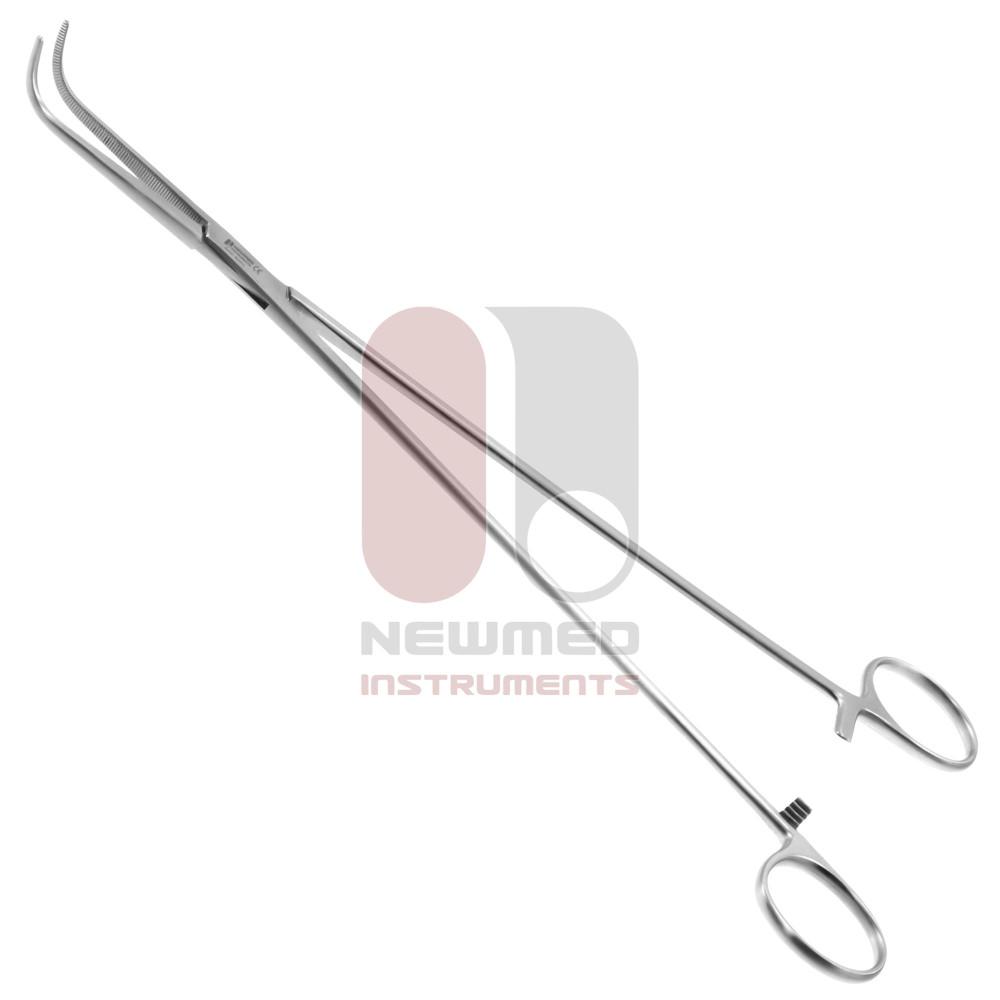
In the precise world of surgical procedures, the success of an operation often depends on the quality and function of the instruments used. Among the most fundamental tools in any surgeon's kit are surgical clamps. These instruments are crucial for controlling bleeding, grasping tissue, and providing a clear, unobstructed surgical field. Understanding the various clamps available and their specific applications is essential for ensuring optimal patient outcomes. This guide explores the diverse world of surgical clamps, highlighting their designs and designated roles within the operating room.
The Foundational Role of Surgical Clamps
Surgical clamps serve a primary purpose: to occlude, or block, the flow of fluids, primarily blood, through a vessel. This action, known as hemostasis, is critical for maintaining a clean surgical site and preventing significant blood loss. Beyond hemostasis, different types of clamps are designed to securely hold or manipulate tissues, organs, and other materials like surgical sponges. Their locking mechanisms, typically a ratchet system, allow for a firm, sustained grip without requiring constant manual pressure from the surgeon.
Hemostatic Forceps for Bleeding Control
Hemostatic forceps are perhaps the most recognized category of surgical clamps. They are specifically designed to clamp blood vessels and control bleeding. Instruments within this group vary in size and jaw design to accommodate different vessel diameters and tissue types. For instance, smaller, delicate forceps like the Halsted Mosquito Forceps are ideal for clamping tiny vessels in plastic or pediatric surgery. In contrast, larger, more robust instruments such as Kelly or Crile Forceps are used for clamping larger vessels and tissue masses. The serrations on their jaws ensure a secure grip without unnecessarily traumatizing the vessel walls.
Aortic and Vascular Clamps for Cardiovascular Procedures
Cardiovascular surgery presents unique challenges that require highly specialized instrumentation. Aortic and vascular clamps are engineered to temporarily occlude major arteries and veins, including the aorta itself. Instruments like the DeBakey and Cooley clamps feature atraumatic, multi-toothed jaws that distribute pressure evenly. This design minimizes damage to the delicate endothelial lining of the blood vessel, which is crucial for preventing postoperative complications like thrombosis. The angulation and curvature of these clamps are also varied, allowing surgeons to access and control vessels in difficult-to-reach anatomical locations during complex cardiac and vascular procedures.
Intestinal and Bowel Clamps in General Surgery
Procedures involving the gastrointestinal tract require instruments that can securely hold bowel tissue without causing crushing injuries. Intestinal clamps, such as Doyen or Kocher intestinal clamps, are designed for this specific purpose. They feature long, flexible jaws with longitudinal serrations that gently but firmly grip the intestine. This prevents leakage of bowel contents into the abdominal cavity, reducing the risk of peritonitis. The atraumatic nature of these instruments is paramount to preserving tissue viability and promoting proper healing after resection and anastomosis.
Towel Clamps for Maintaining a Sterile Field
While not directly used on patient tissue, towel clamps play a vital supportive role in the operating room. Instruments like the Backhaus Towel Clamp are used to secure surgical drapes to the patient's skin, creating and maintaining a sterile field throughout the procedure. They have sharp, penetrating tips that pierce the drapes and skin for a firm hold. By ensuring the surgical drapes remain in place, these clamps prevent contamination of the surgical site, which is a cornerstone of aseptic technique and infection prevention.
Specialized Clamps for Specific Disciplines
Beyond these general categories, a vast array of specialized clamps exists for nearly every surgical discipline. In gynecology, hysterectomy clamps like the Heaney or Wertheim are used to ligate the heavy uterine ligaments and vessels. In neurosurgery, scalp clamps such as the Raney Clip Applicator are applied to the scalp edges to control the profuse bleeding associated with craniotomies. Each design is a testament to the innovation required to meet the specific anatomical and physiological demands of different surgical interventions, underscoring the importance of selecting the right tool for the job.
Conclusion: Precision and Quality in Every Instrument
The diverse range of surgical clamps highlights a core principle of surgery: precision matters. From controlling microscopic vessels to occluding the body's largest artery, there is a clamp designed for every task. For surgeons, students, and healthcare professionals, a deep understanding of these instruments is not just academic—it is fundamental to providing safe and effective patient care. Choosing high-quality, perfectly crafted instruments ensures that every action in the operating room is performed with confidence and accuracy, leading to the precise results patients deserve.
 Turkish
 English
 Arabic
 French
 Spanish
 Portuguese
 Deutsch
 Dutch
Dutch
 Italiano
 Russian
 Romaian
 Portuguese (Brazil)
 Greek
Greek