


How Do Water Plants Remove Residual Chemicals After Treatment?
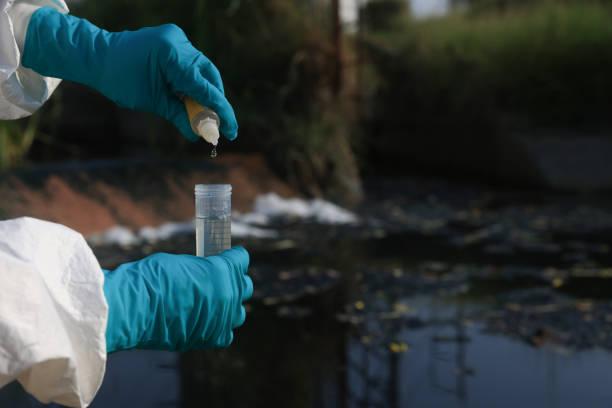
After using chemicals to purify water, water plants employ multiple steps to remove residuals, guaranteeing compliance with safety standards. Sedimentation and filtration are the first line of defense—flocs formed by coagulants settle in tanks, and sand filters trap remaining particles and attached chemicals. Activated carbon adsorption is highly effective for residual chlorine, organic pollutants, and odors, improving both safety and taste. Advanced Oxidation Processes (AOPs) use ozone, ultraviolet light, or hydrogen peroxide to break down persistent chemical compounds into harmless byproducts. Membrane separation technologies like ultrafiltration and reverse osmosis physically block residual chemicals, heavy metals, and micro-pollutants. Automated monitoring systems play a crucial role too—real-time water quality data ensures precise dosing, avoiding overuse in the first place. Regular testing verifies residual levels meet regulatory limits. These layered processes work together to eliminate nearly all chemical traces, ensuring treated water is clean, safe, and suitable for drinking, industrial use, or environmental discharge. Click here to know more.

 English
 French
 Spanish
 Portuguese
 Deutsch
 Turkish
 Dutch
Dutch
 Italiano
 Russian
 Romaian
 Portuguese (Brazil)
 Greek
Greek