


The Role of Neuro Tuning Forks in Modern Surgery
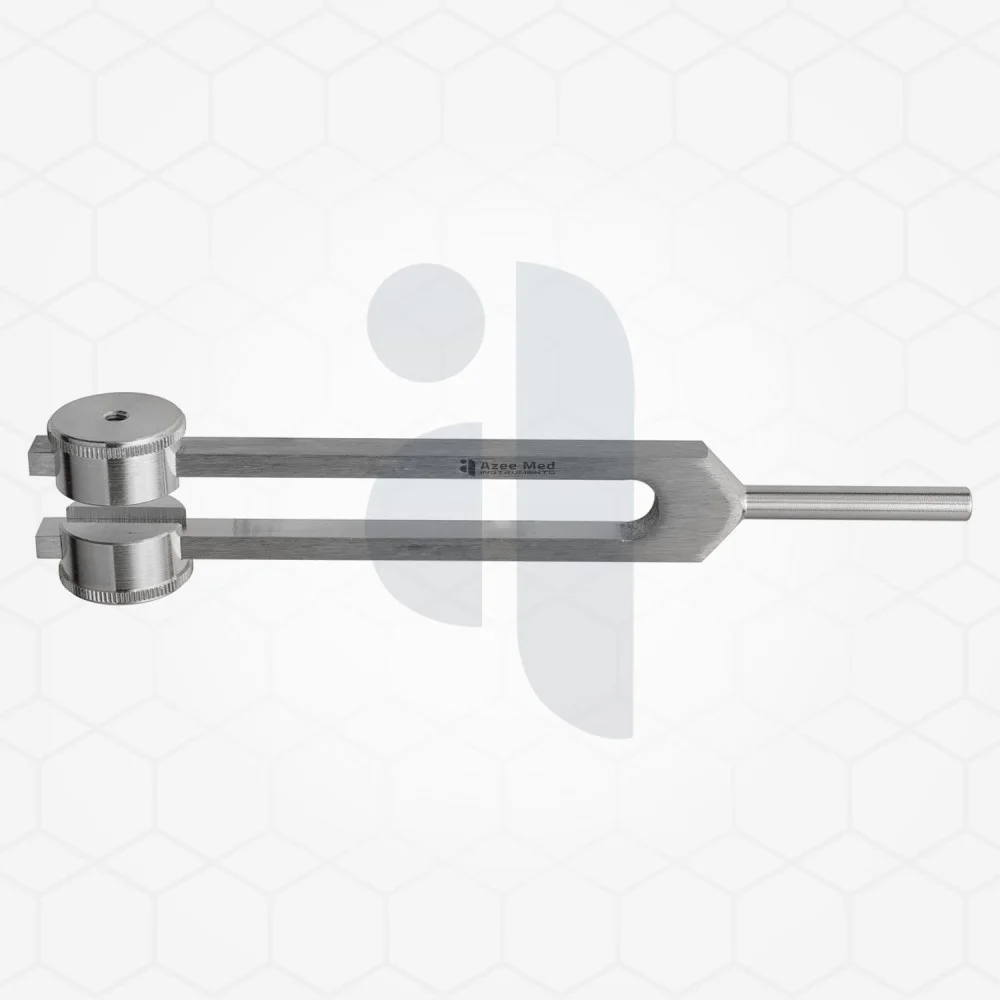
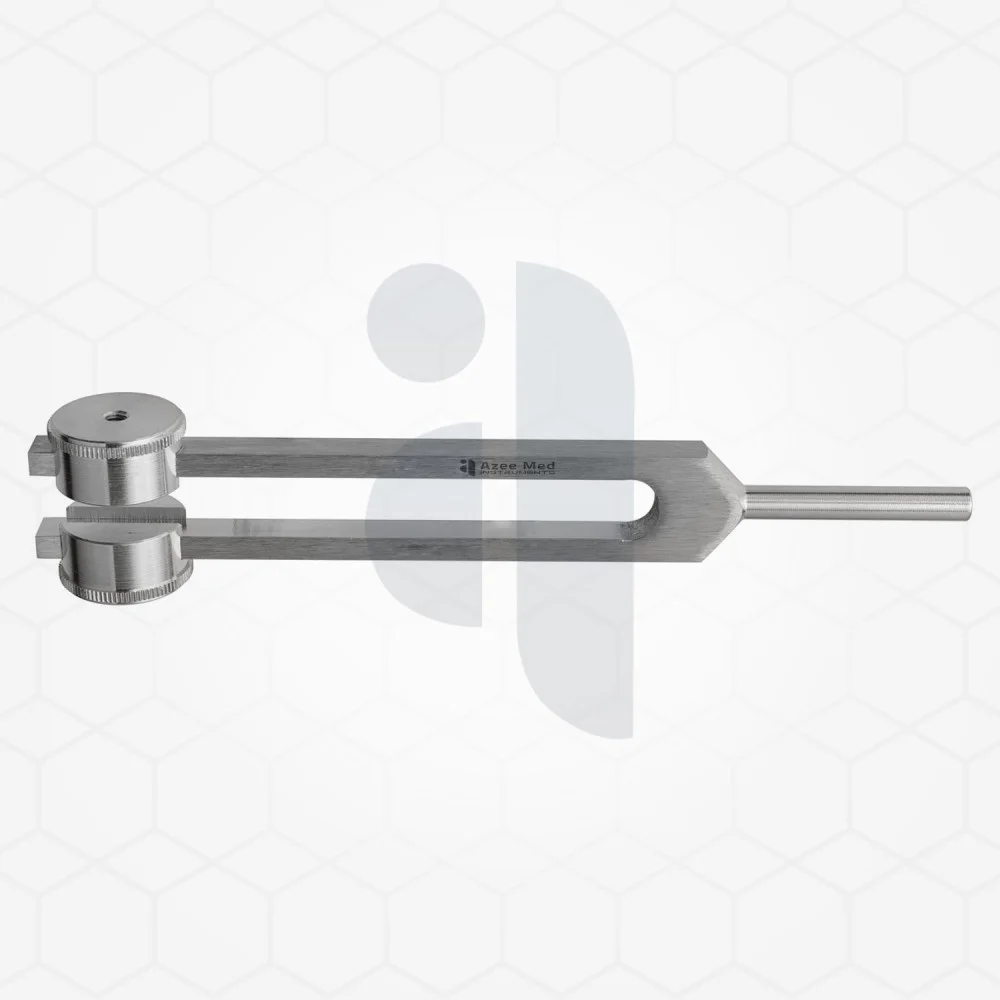
When a patient presents with symptoms of hearing loss or sensory neuropathy, the initial examination often relies on simple, effective tools rather than complex machinery. One such indispensable instrument is the neuro tuning fork. These precision-engineered devices allow neurologists and surgeons to quickly assess a patient's vibrational sensation and hearing capabilities. While MRI and CT scans provide detailed images, the tuning fork offers immediate, functional feedback that guides the next steps in a surgical or treatment plan. Azeemed Instruments understands that these initial diagnostics are critical, which is why we are dedicated to providing high-quality surgical tools that meet the rigorous needs of professionals.
In the fast-paced environment of an operating theater or a busy clinic, having a reliable inventory of instruments is non-negotiable. Surgeons rely on a vast array of tools to ensure patient safety and procedure success. Just as abdominal clamps are vital for securing tissue and controlling bleeding during general surgeries, specialized diagnostic tools are crucial for neurological assessments. The quality of these instruments directly impacts the efficiency of the procedure. A surgeon cannot afford to question the reliability of their equipment when a patient's health is on the line.
Understanding the Mechanism
The science behind a neuro tuning fork is deceptively simple yet highly effective. It operates on the principle of bone conduction and air conduction of sound. When struck, the fork vibrates at a specific frequency, usually 128 Hz or 256 Hz for neurological exams. By placing the base of the vibrating fork against a bony prominence, such as the ankle or wrist, a physician can test the patient's ability to feel vibration. This is a key indicator for diagnosing peripheral neuropathy, often associated with conditions like diabetes.
For hearing tests, the Rinne and Weber tests are the gold standards. These tests utilize the fork to differentiate between conductive and sensorineural hearing loss. Conductive loss might suggest issues in the ear canal or middle ear, whereas sensorineural loss indicates problems with the inner ear or auditory nerve. This immediate differentiation helps surgeons and specialists determine whether surgical intervention or medical therapy is the appropriate course of action.
Why Quality Matters in Diagnostic Tools
In the medical field, precision is everything. A neuro tuning fork that does not hold its frequency or is made from inferior materials can lead to inaccurate diagnoses. Azeemed Instruments ensures that every piece of equipment we manufacture adheres to the highest standards of craftsmanship. We use durable, medical-grade materials that resist corrosion and maintain their structural integrity over time.
Cheaply made alternatives often fail to produce a clean, sustained vibration. This lack of consistency can confuse the diagnostic process. If a vibration fades too quickly, a physician might incorrectly document a loss of sensation in a patient. This could lead to a missed diagnosis or unnecessary further testing. Professional healthcare providers choose reliable brands because they know that accurate tools lead to better patient outcomes.
Applications Beyond Basic Diagnosis
While primarily used for sensory and hearing tests, the utility of the neuro tuning fork extends into other areas of therapeutic practice. Some practitioners use sound therapy and vibration to assist in pain management and muscle relaxation. The specific frequencies can help stimulate blood flow and reduce localized tension. Although these applications are often adjunctive to surgery, they highlight the versatility of this classic instrument.
Furthermore, in medical education, these tools remain a staple. Medical students learn the fundamentals of the physical exam using these forks. Mastering the use of a simple tool teaches future surgeons the importance of tactile feedback and patient interaction. It reinforces the idea that technology should support, not replace, clinical skills. Azeemed Instruments is proud to support the education of the next generation of medical professionals by supplying tools that offer textbook accuracy.
Choosing the Right Instrument for Your Practice
Selecting the correct neuro tuning fork depends on the specific needs of your practice. Neurologists typically prefer the 128 Hz fork for vibration sense testing because it stimulates the Pacinian corpuscles effectively. Audiologists and ENT specialists might rely more on the 512 Hz frequency, which falls within the range of human speech and is ideal for hearing screenings.
At Azeemed Instruments, we offer a comprehensive range of diagnostic and surgical instruments designed for durability and precision. We know that professionals need tools that feel balanced in the hand and perform consistently year after year. Whether you are conducting a routine physical or preparing for a complex neurological evaluation, having the right equipment is the first step toward excellence.
Conclusion
The evolution of medical technology has been rapid, but foundational tools like the tuning fork remain relevant due to their reliability and effectiveness. They provide immediate data that complex scans cannot replicate in real-time. By investing in high-quality instruments from trusted manufacturers like Azeemed Instruments, medical professionals ensure they are equipped to provide the best possible care. From the initial diagnosis to the final treatment plan, precision matters every step of the way.
 Turkish
 English
 Arabic
 French
 Spanish
 Portuguese
 Deutsch
 Dutch
Dutch
 Italiano
 Russian
 Romaian
 Portuguese (Brazil)
 Greek
Greek