


Osteotomes: Precision in Surgical Bone Shaping
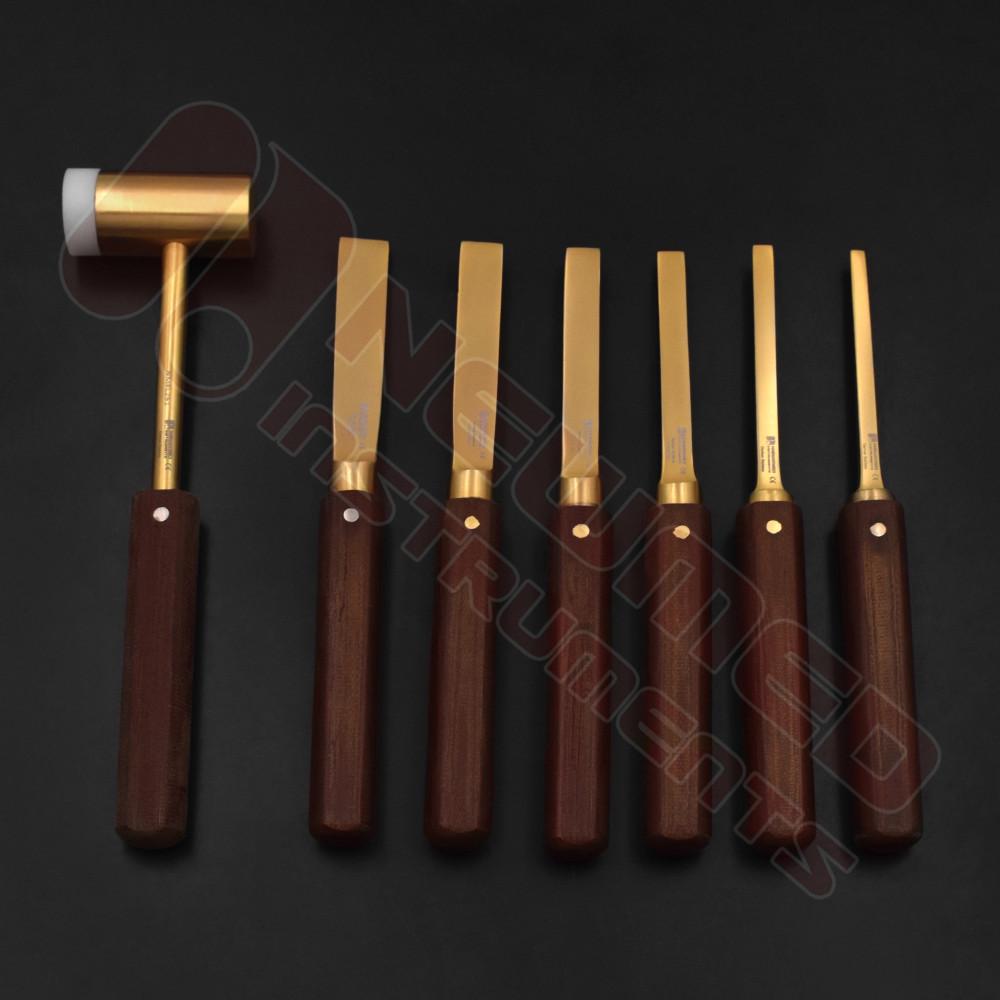
In the intricate world of surgical procedures, particularly in dental and orthopedic fields, the precision of an instrument can define the outcome. Surgeons and healthcare professionals demand tools that are not only reliable but also extensions of their own skill. Among the most critical instruments in bone manipulation are osteotomes. These tools are fundamental for procedures requiring bone cutting, shaping, and preparation. Understanding their design, function, and the nuances of their application is essential for achieving the perfect and precise results that every patient deserves. This guide explores the role of these indispensable instruments in modern surgery.
The Fundamental Role of Osteotomes in Surgery
At its core, an osteotome is a surgical instrument used for cutting or preparing bone. Unlike a chisel, which has a beveled edge on one side, an osteotome is beveled on both sides, allowing for controlled splitting and expansion of bone tissue. This design is crucial in procedures like dental implantology, where creating a properly sized socket without removing excess bone is paramount. The controlled force applied through an osteotome allows surgeons to manipulate bone density, condense softer bone, and gently expand narrow ridges, ensuring a stable foundation for implants or other reconstructive work.
Design and Material: The Keys to Performance
The effectiveness of osteotomes is directly linked to their design and the materials used in their construction. High-quality surgical-grade stainless steel is the standard, providing the necessary strength, durability, and resistance to corrosion. The tips come in various shapes and sizes—concave, convex, straight, or angled—each tailored for specific surgical tasks. For instance, concave tips are often used for condensing bone graft material, while convex tips are ideal for lifting the sinus floor. The handles are also ergonomically designed to provide a secure grip, allowing for maximum control and tactile feedback during delicate maneuvers.
Application in Dental Implantology
Dental implantology is where the use of osteotomes has been most refined. Surgeons use them for sinus lift procedures and ridge expansion. During a sinus lift, specialized osteotomes are used to gently fracture and elevate the floor of the maxillary sinus, creating space for a bone graft. This technique is far less invasive than traditional methods. For ridge expansion, a series of graduated osteotomes are sequentially tapped into the alveolar ridge, gradually widening it to accommodate an implant. This method preserves bone volume and often improves primary implant stability.
Innovations in Osteotome Technology
Modern advancements continue to refine the functionality of these vital tools. Many contemporary osteotomes feature calibrated markings along their shafts, allowing surgeons to precisely gauge insertion depth without needing separate measuring devices. This integration enhances efficiency and accuracy in the operating room. Furthermore, specialized coatings are sometimes applied to reduce friction and improve the instrument's longevity. These innovations reflect a commitment to providing surgeons with tools that support minimally invasive techniques and promote better patient outcomes.
Proper Handling and Sterilization Protocols
The performance of any surgical instrument is contingent upon its proper care and maintenance. For osteotomes, this is especially critical due to their direct contact with bone. Following each use, they must undergo a rigorous cleaning and sterilization process to prevent cross-contamination and ensure patient safety. Adhering to established protocols for autoclaving and chemical sterilization preserves the instrument's integrity and sharpness. Proper handling not only ensures the longevity of the tools but also upholds the highest standards of surgical practice, protecting both the patient and the healthcare professional.
Conclusion: The Instrument of Surgical Precision
The osteotome is more than just a tool; it is a critical component in the pursuit of surgical excellence. Its unique design allows for precise bone manipulation that is often less traumatic than alternative methods, leading to improved healing and superior clinical results. For surgeons, students, and healthcare providers who value perfection, selecting high-quality instruments is non-negotiable. By understanding the function, design, and proper care of osteotomes, professionals can continue to advance their skills and deliver the highest standard of care to their patients.
 Spanish
 English
 Arabic
 French
 Portuguese
 Deutsch
 Turkish
 Dutch
Dutch
 Italiano
 Russian
 Romaian
 Portuguese (Brazil)
 Greek
Greek