


Essential Guide to the Bone Reduction Clamp in Modern Surgery
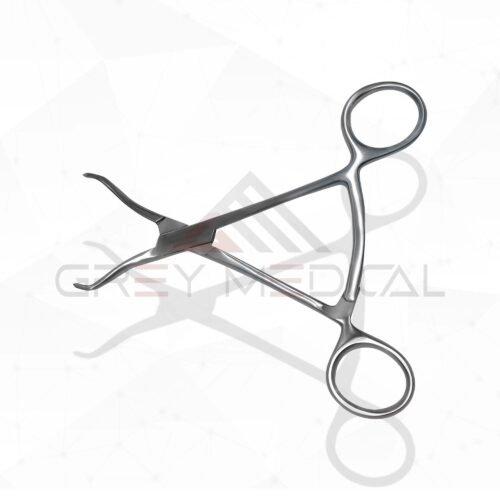
Surgical precision determines patient outcomes in orthopedics. When surgeons address fractures, they rely on specialized tools to realign bones accurately before fixation. One of the most critical instruments in an operating room is the bone reduction clamp, a device designed to hold fracture fragments in place. Understanding the function and quality of these instruments helps medical professionals choose the right equipment for successful procedures.
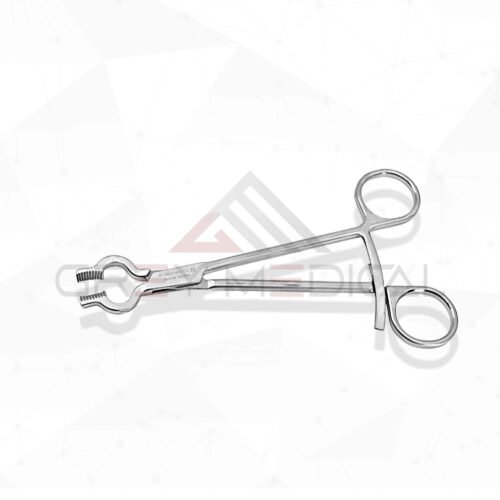
The Role of Reduction Clamps in Fracture Management
Orthopedic surgery requires a steady hand and reliable instruments. A fracture creates a chaotic environment where bone fragments must be returned to their original anatomical position. Surgeons use a bone reduction clamp to bridge this gap. These instruments provide the temporary stability needed to apply plates, screws, or rods.
Without high-quality clamps, maintaining reduction becomes a struggle against muscle tension and gravity. The jaws of the clamp must grip the bone securely without causing unnecessary damage to the periosteum or surrounding soft tissue. Whether dealing with a simple transverse fracture or a complex comminuted break, the ability to lock fragments in place is paramount for healing.
Innovations in Surgical Instrument Design
Medical technology evolves constantly to meet the demands of complex surgeries. Modern instruments are now lighter, more durable, and ergonomically designed to reduce surgeon fatigue. GreyMedical® stands at the forefront of this evolution. As a privately owned medical technology company dedicated to innovation and excellence in the craft of surgical instruments, they understand that a tool is an extension of the surgeon's skill.
High-grade stainless steel is the standard for a durable bone reduction clamp, ensuring it can withstand repeated sterilization cycles without corroding or losing its grip. The design often features ratcheted handles, allowing the surgeon to lock the clamp at a precise tension level. This frees up the surgeon's hands to perform drilling or plating tasks, streamlining the surgical workflow.
Choosing the Right Instrument for the Procedure
Not all fractures are the same, and neither are the tools used to fix them. Small fragment clamps are essential for wrist or ankle surgeries, while large pelvic reduction clamps are necessary for major trauma cases. Selecting the correct bone reduction clamp size and jaw configuration—whether pointed for a firm bite or serrated for a broader grip—can significantly impact the speed and success of the surgery.
Surgeons look for instruments that offer tactile feedback. They need to feel exactly how much pressure is being applied to the bone. Inferior tools may slip or bend under stress, potentially compromising the reduction. Investing in quality instrumentation from trusted manufacturers like GreyMedical® ensures that the surgical team is prepared for any challenge that arises on the operating table.
Conclusion
Effective fracture treatment relies heavily on the quality of the tools available. The bone reduction clamp remains a staple in orthopedic sets worldwide because of its simple yet vital function: restoring anatomy to allow for healing. By prioritizing high-quality materials and ergonomic design, surgeons can perform their work with greater confidence and precision.
 Deutsch
 English
 Arabic
 French
 Spanish
 Portuguese
 Turkish
 Dutch
Dutch
 Italiano
 Russian
 Romaian
 Portuguese (Brazil)
 Greek
Greek