


Lupus Rash vs Rosacea: Causes, Symptoms, and What Sets Them Apart
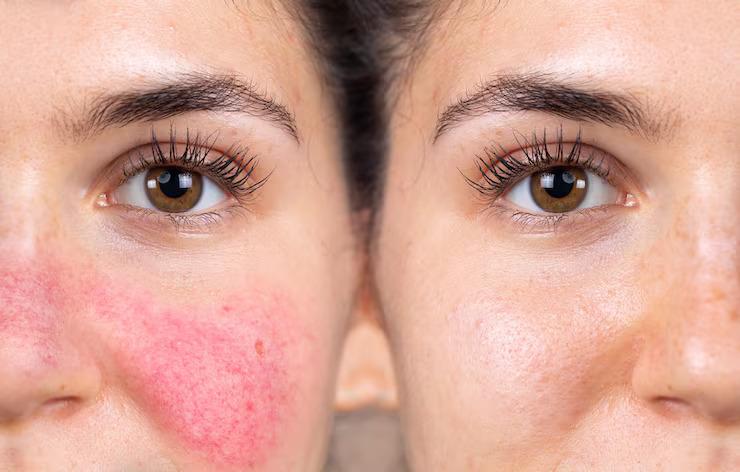
Differentiating skin conditions can be challenging, especially when two disorders present with facial redness and inflammation. Understanding lupus rash vs rosacea differences is essential for patients, caregivers, and healthcare providers to ensure accurate diagnosis and effective treatment. While both conditions can affect the cheeks, nose, and other areas of the face, their causes, progression, and underlying mechanisms are very different. Misdiagnosis can lead to ineffective treatment and increased discomfort for patients, making education and awareness critical.
This blog explores the key distinctions between lupus rash and rosacea, the underlying causes, common symptoms, diagnostic methods, treatment options, and long-term management strategies. By understanding these differences, patients can take proactive steps in protecting their skin and overall health.
Understanding Lupus Rash
Lupus is an autoimmune disorder in which the body's immune system attacks healthy tissues, including the skin. A lupus rash is one of the most recognizable manifestations of cutaneous lupus erythematosus (CLE), though it can also appear in systemic lupus erythematosus (SLE).
Causes
- Autoimmune activity leads to inflammation and tissue damage.
- Genetic predisposition and environmental triggers, such as UV light, stress, and infections, can exacerbate flare-ups.
- Certain medications may trigger or worsen skin lesions in susceptible individuals.
Key Symptoms
- Butterfly-shaped rash: A hallmark of acute cutaneous lupus, spreading across the cheeks and bridge of the nose.
- Red or purplish lesions: May appear on other sun-exposed areas like the scalp, neck, and arms.
- Photosensitivity: Sun exposure often worsens the rash.
- Chronic lesions: In discoid lupus, thick, scaly patches may leave permanent scarring or pigmentation changes.
- Accompanying systemic symptoms: Fatigue, joint pain, and fever may be present in SLE-related rashes.
Progression
- Lesions may develop suddenly or gradually.
- Flare-ups often coincide with systemic disease activity or environmental triggers.
- Chronic lesions, if untreated, can lead to scarring and long-term skin discoloration.
Understanding Rosacea
Rosacea is a chronic inflammatory skin condition that primarily affects the face, causing persistent redness, visible blood vessels, and sometimes acne-like bumps. Unlike lupus, rosacea is not an autoimmune disease and does not involve systemic organs.
Causes
- Exact cause is unknown but may involve a combination of genetic, vascular, and environmental factors.
- Triggers include heat, spicy foods, alcohol, sunlight, and stress.
- Skin mites (Demodex folliculorum) and abnormal immune responses may contribute to inflammation.
Key Symptoms
- Facial redness: Persistent erythema on cheeks, nose, forehead, and chin.
- Visible blood vessels: Small dilated capillaries often appear on the face.
- Bumps and pustules: Acne-like lesions may develop, especially in papulopustular rosacea.
- Eye involvement (ocular rosacea): Red, dry, or irritated eyes in some cases.
- Thickened skin: Over time, especially on the nose (rhinophyma), in severe cases.
Progression
- Rosacea develops gradually and is typically chronic.
- Symptoms can fluctuate, with periods of remission and flare-ups.
- Though primarily cosmetic, rosacea can impact quality of life due to discomfort and appearance concerns.
Key Differences Between Lupus Rash and Rosacea
While lupus rash and rosacea share some superficial similarities, several key distinctions help in accurate diagnosis:
|
Feature |
Lupus Rash |
Rosacea |
|
Cause |
Autoimmune inflammation |
Chronic inflammatory disorder |
|
Pattern |
Butterfly-shaped or scaly patches |
Diffuse redness with visible blood vessels |
|
Sun Sensitivity |
High; UV exposure worsens lesions |
Moderate; triggers vary individually |
|
Associated Symptoms |
Fatigue, joint pain, systemic involvement possible |
Usually limited to skin and eyes |
|
Lesion Type |
Scaly, purplish-red, may scar |
Red bumps, pustules, telangiectasia |
|
Chronicity |
Flare-ups with potential scarring |
Chronic, often persistent, rarely scars |
|
Systemic Risk |
Possible progression to SLE |
No systemic involvement |
Recognizing these differences is critical for dermatologists and rheumatologists to provide proper care and avoid unnecessary treatments that may not address the underlying condition.
Diagnosis and Clinical Evaluation
Accurate diagnosis involves a combination of clinical evaluation, laboratory testing, and sometimes skin biopsy.
1. Physical Examination
- Dermatologists assess lesion patterns, location, and morphology.
- Sun-exposed areas are examined carefully in suspected lupus cases.
- Rosacea evaluation includes checking for visible blood vessels, pustules, and eye involvement.
2. Laboratory Tests
- Lupus Testing: ANA, anti-Ro/SSA, and anti-La/SSB antibodies help confirm cutaneous lupus.
- Rosacea Testing: Diagnosis is clinical; no specific blood tests exist. Skin swabs may rule out other conditions if needed.
3. Skin Biopsy
- May be performed in ambiguous cases to differentiate lupus lesions from other dermatologic conditions.
- Histopathology shows immune-mediated damage in lupus but not in rosacea.
4. Imaging and Additional Assessment
- Lupus patients may require systemic evaluation to rule out SLE, including kidney, joint, and blood assessments.
- Rosacea generally does not require systemic evaluation unless ocular involvement is suspected.
Treatment Options
Treatment strategies differ substantially due to the distinct causes and mechanisms of these conditions.
1. Lupus Rash
- Topical Corticosteroids: Reduce inflammation and redness.
- Calcineurin Inhibitors: For sensitive facial areas to prevent steroid side effects.
- Systemic Medications: Hydroxychloroquine and immunosuppressants for moderate to severe cases.
- Photoprotection: Daily sunscreen, hats, and sun avoidance are essential.
- Lifestyle Management: Stress reduction and avoiding flare triggers can improve outcomes.
2. Rosacea
- Topical Agents: Metronidazole, azelaic acid, or ivermectin to reduce inflammation and bumps.
- Oral Antibiotics: Tetracyclines for moderate to severe inflammatory rosacea.
- Laser Therapy: For visible blood vessels and thickened skin.
- Trigger Management: Avoiding spicy foods, alcohol, and extreme temperatures.
- Skin Care: Gentle cleansers and moisturizers to maintain skin barrier.
3. Long-Term Management
- Lupus patients require regular dermatologic and rheumatologic follow-ups to monitor flare-ups and systemic involvement.
- Rosacea patients benefit from ongoing skin care and avoidance of triggers to maintain remission.
Psychosocial Considerations
Both conditions can impact quality of life:
- Self-Esteem: Visible facial lesions may cause emotional distress.
- Stress and Flare-Ups: Stress can exacerbate both lupus and rosacea, creating a feedback loop.
- Support Systems: Counseling, support groups, and patient education can help manage emotional and social challenges.
 Deutsch
 English
 Arabic
 French
 Spanish
 Portuguese
 Turkish
 Dutch
Dutch
 Italiano
 Russian
 Romaian
 Portuguese (Brazil)
 Greek
Greek