


French Horn vs English Horn: What’s the Difference?
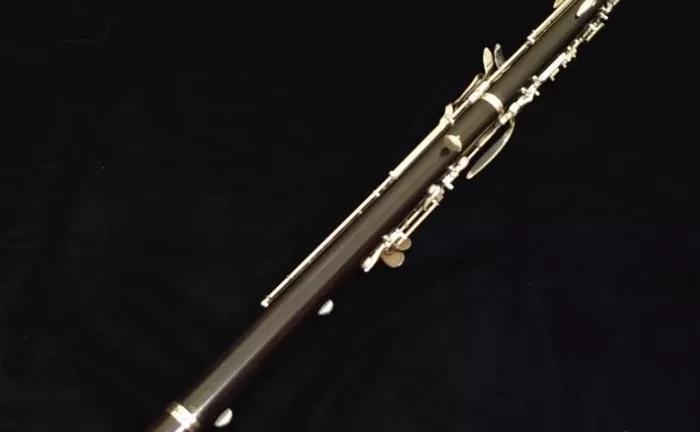
The French horn and the English horn are two distinct instruments that are often mistaken for each other due to their names. Despite both being called “horns,” these instruments belong to different families, have different histories, are constructed differently, and play very different roles in ensembles and orchestras. This article will explore in detail the key differences between these two fascinating instruments, breaking down their construction, timbre, usage, and historical background to help musicians, students, and enthusiasts understand their unique qualities.
Instrument Family Classification
One of the most fundamental differences between the French horn and the English horn is the instrument family to which they belong.
French Horn: A Brass Instrument
The French horn is a brass instrument. It is made from coiled tubing and is played by buzzing the lips into a mouthpiece. It belongs to the same family as the trumpet, trombone, and tuba. Brass instruments create sound through the vibration of the player’s lips in the cup-shaped mouthpiece.
English Horn: A Woodwind Instrument
In contrast, the English horn is a woodwind instrument and a member of the double reed family. It is closely related to the oboe and uses a double reed to produce sound. Air is pushed through the reed, causing it to vibrate and create tone.
Construction and Design Differences
The structure and build of these instruments are distinct and influence how they are played and how they sound.
French Horn Design
The French horn features a long, coiled brass tube that typically spans around 12 to 13 feet when uncoiled. It has a flared bell and rotary valves operated with the left hand, while the right hand is inserted into the bell to help shape the tone. It also has a conical bore, which contributes to its mellow and rich sound.
English Horn Design
The English horn is a woodwind instrument shaped much like an oboe but larger. It typically measures about 1.5 times the length of an oboe and includes a bulbous bell that contributes to its characteristic tone. It uses a curved bocal—a small metal tube that holds the double reed. This curved metal piece distinguishes it from the oboe and affects its timbre and ergonomics.
Sound and Timbre
Each instrument has a unique sound that makes it suitable for particular musical roles.
French Horn Sound
The French horn has a smooth, velvety tone with a wide dynamic range. It is capable of both powerful brassy sounds and soft, lyrical melodies. The instrument is famous for its expressive and noble quality, often used to portray heroism or warmth in orchestral settings.
English Horn Sound
The English horn has a darker, more melancholic tone than the oboe, owing to its larger size and bulb-shaped bell. It excels at expressive, lyrical passages and is commonly used in film scores and classical pieces to evoke emotion and longing. Its hauntingly beautiful sound makes it ideal for solos in slow orchestral works.
Playing Technique
The method by which sound is produced, and notes are manipulated differs greatly between these two instruments.
French Horn Playing Technique
The player produces sound by buzzing into a mouthpiece and adjusting pitch using three or four rotary valves. Embouchure, breath control, and hand positioning in the bell are all critical to mastering the horn’s pitch and tone quality. The French horn requires precise pitch accuracy due to the closely spaced harmonics.
English Horn Playing Technique
The English horn is played by blowing air through a double reed. Fingerings are similar to the oboe, but due to the larger size and reed, breath control and embouchure are different. The player must learn to control reed vibrations delicately, and subtle changes in mouth and air pressure greatly affect the tone and intonation.
Transposition and Range
Both instruments are transposing, meaning the written pitch differs from the sounding pitch. However, they transpose differently and have distinct playing ranges.
French Horn Transposition
The French horn is typically in F, meaning a written C sounds as an F below. This transposition is standard in most orchestral and band literature. The range of the French horn spans from the written F below the bass clef to about C above the treble clef staff.
English Horn Transposition
The English horn is in F as well, but it sounds a fifth lower than written. A written C will sound as an F below. The range of the English horn generally extends from E below middle C to B above the staff, though professionals may extend higher.
Roles in the Orchestra
Each horn plays a unique and specific role in orchestral compositions, depending on its tonal properties and historical usage.
French Horn Role
The French horn is part of the brass section and often blends with both brass and woodwinds. Composers use it to create harmonies, dramatic passages, and warm textures. It often plays both melodic and harmonic roles. In large orchestras, there are typically four to eight French horns, divided into high and low voices.
English Horn Role
The English horn is generally a solo voice in the woodwind section. Orchestras usually have just one English horn, played by the second oboist. It is often used to perform expressive solos in slow movements or to add color to the orchestra’s palette. Notable orchestral solos include Dvořák’s “New World Symphony” and Berlioz’s “Roman Carnival Overture.”
Historical Background
The development of both instruments took place over centuries and in different contexts.
French Horn History
The French horn evolved from hunting horns used in Europe during the 17th century. Over time, valves were added to improve chromatic capabilities. By the 19th century, the modern double horn (combining F and B♭ tubing) became standard. Composers like Mozart, Beethoven, and Brahms wrote extensively for the horn, giving it a noble and lyrical identity.
English Horn History
The English horn is not English at all. Its name is a mistranslation of the French term “cor anglé,” meaning “angled horn.” It developed in the 18th century as a tenor version of the oboe. Its distinct bell and bocal were refined over time to produce its unique sound. While it was initially a novelty, Romantic-era composers embraced it for its soulful tone.
Solo and Chamber Repertoire
Each instrument has its own body of solo and chamber music repertoire, although one has a more extensive catalog than the other.
French Horn Repertoire
The French horn has a rich solo repertoire, including concertos by Mozart, Strauss, and Hindemith. It is also featured in numerous brass quintets and woodwind quintets. The instrument’s agility and range make it suitable for both technical and lyrical music.
English Horn Repertoire
The English horn’s solo repertoire is smaller, but growing. Pieces by Sibelius, Vaughan Williams, and Janáček feature notable solos. It also has a presence in chamber music, especially with strings or piano, where its mellow tone is highlighted. Many film composers have also used it for emotional themes.
Learning Curve
Both instruments present unique challenges for beginners and require years of dedicated practice to master.
French Horn Challenges
Beginners often struggle with pitch accuracy due to the close partials in the harmonic series. Breath control, embouchure, and muscle memory are essential to mastering the instrument.
English Horn Challenges
Learning the English horn involves reed-making or adjusting, as store-bought reeds often need customization. Additionally, the larger size and unique tone production require a well-developed embouchure and breath control.
Conclusion
Although both called “horns,” the French horn and English horn differ in almost every conceivable way—from construction and sound production to historical usage and ensemble roles. The French horn is a brass instrument known for its bold, rich sound and harmonic versatility, while the English horn is a woodwind instrument valued for its mournful, expressive tone. Understanding these distinctions not only helps musicians choose the right instrument for their goals but also deepens appreciation for the roles each horn plays in the world of music.

 English
 French
 Spanish
 Portuguese
 Deutsch
 Turkish
 Dutch
Dutch
 Italiano
 Russian
 Romaian
 Portuguese (Brazil)
 Greek
Greek