


What Is Ezra Pound’s Stance on Aesthetics and Art?
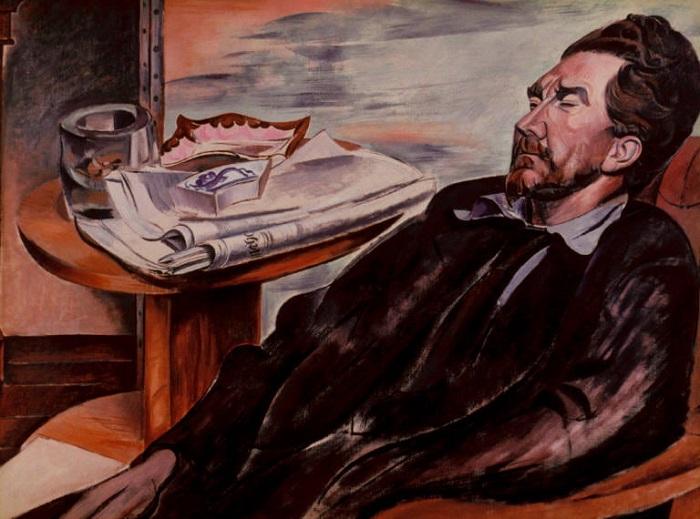
Ezra Pound stands as one of the most influential and controversial figures in twentieth-century poetry. His writings on aesthetics shaped modernist thought, and his artistic philosophy challenged the norms of poetic creation. Pound believed that art required discipline, clarity, and cultural awareness. He believed that beauty emerged from precision. He argued that poetry should refine language and elevate perception. His stance on aesthetics and art remains central to understanding the creative revolution that defined early modernism. This essay explores the foundations of his philosophy, the principles he urged upon poets, and the lasting implications of his ideas.
Pound’s Foundations in Classical and Eastern Traditions
The Role of History in Shaping Pound’s Aesthetic Theory
Ezra Pound often turned to history in developing his ideas. He studied the poetry of ancient Greece. He admired the discipline and clarity of classical forms. He looked to the troubadours of medieval Europe. He examined Renaissance writers. He believed good poetry came from strong traditions. He thought language gained depth through continuity. He wanted poets to understand their heritage, and he wanted them to shape the future through careful study of the past.
Pound also embraced Eastern literature. He explored Chinese poetry and Japanese haiku. He admired the sharp imagery and sparseness of these traditions. They showed him that beauty could arise from a few perfect words. Their influence shaped the Imagist movement, which he helped define. His fascination with these traditions revealed his belief that art must cross cultures. He saw beauty as universal, and he believed poets could learn from many sources.
How Classical Influence Shaped His Sense of Precision
Classical works reinforced Pound’s demand for precision. Ancient poets used strong images and precise rhythms. Pound believed modern poets should adopt similar discipline. He argued that poetry should reject vagueness. It should strip away unnecessary words. It should offer clarity and intensity. He believed that every line must carry meaning, and every sound must serve the poem.
His classical leanings also shaped his ideas about artistic responsibility. He felt poets held a duty to maintain cultural excellence. He argued that art should uplift societies. He rejected moral passivity. He insisted that beauty required strength and commitment.
Pound’s Imagist Philosophy and the Pursuit of Pure Image
The Concept of the Image as the Foundation of Poetic Beauty
Ezra Pound famously stated that an image presented “an intellectual and emotional complex in an instant of time.” This idea defined Imagism. It shaped his belief that poetry should capture a single, vivid moment. He wanted poets to produce flashes of vision. He believed a strong image could reveal truth. He thought imagery created emotional impact without excessive explanation.
Pound used images to reduce poetry to its essence. He wanted poems to show rather than tell. He valued sensory clarity. He encouraged poets to trust the reader’s intuition. Through Imagism, Pound redefined poetic aesthetics. He prioritized immediacy. He sought beauty in simplicity.
Economy of Language as Artistic Discipline
Imagism required economy. Pound urged poets to remove superfluous language. He compared poetic refinement to sculpture. A sculptor shapes stone by cutting away what is unnecessary. A poet shapes language by removing excess. Pound argued that a poem should be lean. It should be direct. It should focus on the essential image.
Economy of language revealed his stance on art more broadly. He believed art required craft. He believed clarity emerged from discipline. He believed beauty was not ornament but structure. Pound saw poetry as a moral act that demanded precision and honesty.
Innovation and Artistic Responsibility
The Drive to Reform Poetry and Challenge Tradition
Although he valued tradition, Ezra Pound also sought innovation. He wanted poets to renew language. He believed stale forms weakened artistic expression. He criticized Victorian verbosity. He attacked sentimental rhetoric. He encouraged experimentation with rhythm, structure, and voice.
Pound felt that innovation kept art alive. He admired poets who pushed boundaries. He supported writers like T. S. Eliot and James Joyce. He believed their experiments contributed to cultural growth. His advocacy revealed his view that artists must shape the future while honoring the past.
Pound’s Sense of Moral Duty in Artistic Creation
Pound believed poetry carried moral power. He thought art shaped culture. He argued that artists influenced society’s values. He insisted poets act responsibly. He wanted them to reject shallow work. He wanted them to aim for excellence. He believed careless art damaged cultural progress.
This sense of moral duty shaped his aesthetic stance. Beauty was not mere decoration. It held ethical weight. He believed good art promoted clarity of thought. He believed it strengthened the mind. He believed it improved society. His conviction about moral responsibility remains one of the most defining aspects of his artistic philosophy.
Pound’s Emphasis on Music, Rhythm, and the Sound of Poetry
Musicality as an Essential Component of Beauty
Ezra Pound argued that poetry must be musical. He believed rhythm shaped meaning. He thought sound carried emotional resonance. He emphasized the importance of reading poems aloud. He wanted poets to consider how each syllable worked. His focus on musicality came partly from his study of classical verse. It came partly from his analysis of troubadour poetry. It came partly from his fascination with ancient and modern musical traditions.
Musicality revealed his desire for poetry that stimulated both intellect and emotion. He thought beauty came from harmony. He believed sound patterns expanded meaning. He believed music connected poetry with ancient rituals. His ideas helped transform modernist verse into a rhythmic and expressive art form.
Rhythmic Innovation and the Role of Free Verse
Pound also supported free verse, but he believed it must maintain discipline. He rejected the idea that free verse permitted laziness. Instead, he believed the poet must control rhythm with great care. Free verse required intention. It required balance. It required musical sensitivity.
His approach to rhythm reflected his broader aesthetic stance. Art must be deliberate. Art must show mastery. Art must transform experience through sound and structure.
Pound’s Complex Relationship with Beauty
Beauty as Clarity Rather Than Ornamentation
Ezra Pound rejected sentimental beauty. He dismissed soft emotionalism. He opposed overwrought language. Instead, he believed beauty came from clarity. It came from strength. It came from precision. His stance shaped Imagism. It shaped his essays. It shaped his editorial work.
This definition of beauty also shaped modernist aesthetics. The movement embraced sharpness, intensity, and structural truth. Pound helped establish these values.
The Artist as Cultural Curator
Pound saw the artist as a guardian of cultural excellence. He believed poets held responsibility for preserving linguistic heritage. He argued that great art required great knowledge. He thought poets must study languages, history, and literary forms. He viewed art as a form of scholarship. He viewed poets as cultural custodians.
This belief reinforced his stance on aesthetics. Art must elevate culture. Art must refine understanding. Art must remain connected to human history.
Conclusion
Ezra Pound’s stance on aesthetics and art stands at the core of modernist thought. He believed poets must balance tradition with innovation. He argued that beauty emerged from clarity and precision. He emphasized the image, the rhythm, and the structure of language. He insisted that art carried moral weight and cultural responsibility. His ideas shaped generations of writers. They continue to influence discussions about poetic craft and creative purpose. Pound challenged poets to refine language, to seek excellence, and to honor the deep traditions of world literature. Through his philosophy, Ezra Pound left an enduring legacy that shaped the evolution of modern poetry and continues to define debates about aesthetics in contemporary art.
 French
 English
 Arabic
 Spanish
 Portuguese
 Deutsch
 Turkish
 Dutch
Dutch
 Italiano
 Russian
 Romaian
 Portuguese (Brazil)
 Greek
Greek