


When the Sea Turns Serious: Understanding a Norwegian Cruise Ship Man Overboard
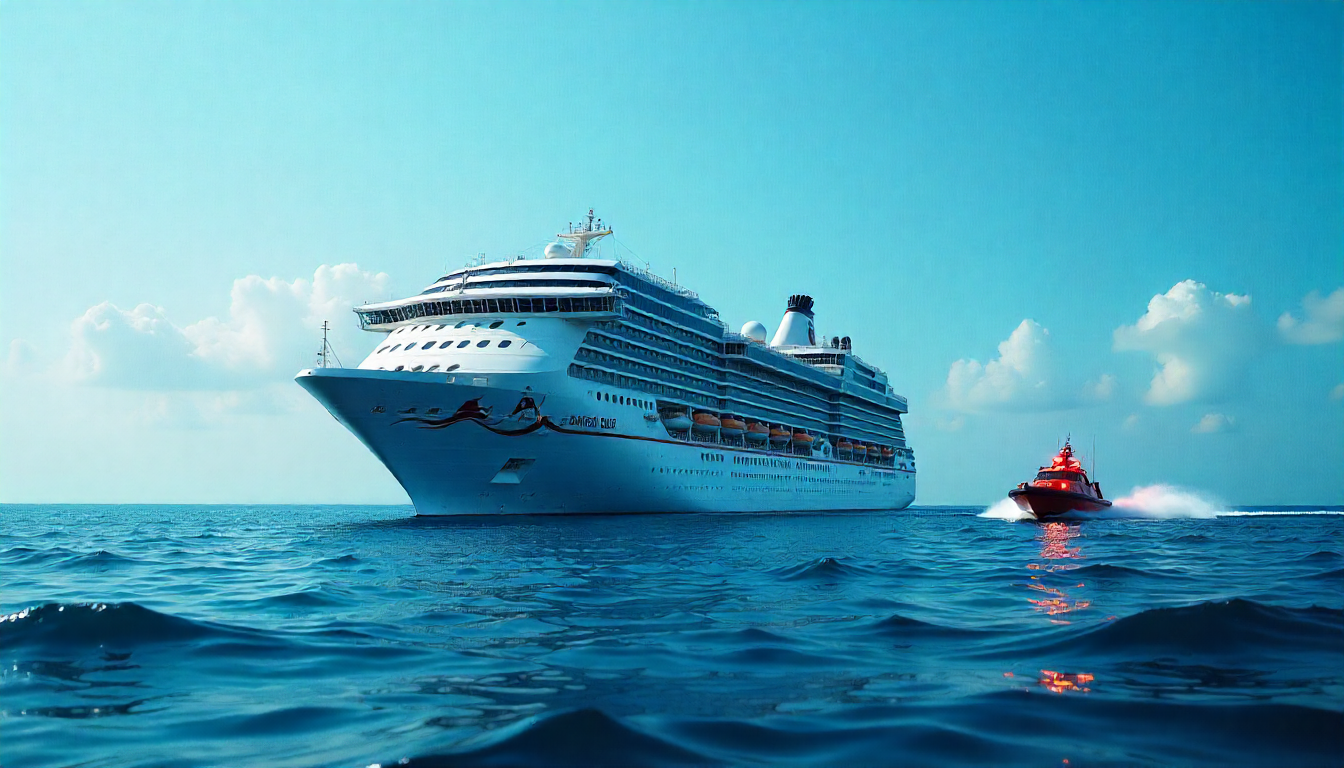
Cruising is often associated with sunshine, relaxation, exotic ports, and carefree vacations. But occasionally — and tragically — the sea reminds us that it demands respect and caution. A “norwegian cruise ship man overboard” incident isn’t just a rare statistic — it’s a life-or-death emergency, one that deeply affects families, fellow passengers, and the entire cruise community. Here’s a comprehensive dive into what such incidents mean, what happens when they occur, and how to interpret a “man overboard norwegian cruise line” report — including the latest information and broader context.
What Does “Man Overboard” Mean — and Why Are Ships Alerted Immediately?
When someone goes overboard from a cruise ship, it triggers an urgent emergency response. On many ships — including those of Norwegian Cruise Line — the crew does not announce “man overboard” over loudspeakers to other passengers. Instead, they use coded alerts such as “Code Oscar” (or similar codes like “Mr. Mob” / “MOB”) so that only trained crew know what’s happening. This helps prevent panic among guests while allowing the staff to respond swiftly and methodically.
Once the alert is raised, the ship will typically:
- Immediately stop or slow down and begin a “search pattern” — often a turn or retracing the route to the last known location of the person.
- Deploy rescue equipment: lifebuoys, marker buoys, flares, and potentially rescue boats if conditions allow.
- Notify maritime authorities (coast guard or regional rescue coordination center), especially if the ship is far from land.
- Lock down decks or restrict access to certain areas to prevent interference and ensure safety of passengers and crew.
The goal is always rapid response — because survival chances decrease fast, especially if water is cold or the person is without safety gear.
Are These Incidents Frequent? What the Data Tells Us
The thought that a cruise could turn tragic might seem alarming — but statistically, these incidents are rare. According to data from the Cruise Lines International Association (CLIA), between 2009 and 2019 there were 212 “overboard” incidents globally, covering both passengers and crew across all cruise lines. That’s roughly 19 incidents per year — a tiny fraction compared to the millions of passengers who cruise annually.
Even so, when they happen, the outcomes are often tragic. CLIA data suggests just about 28.2% of reported overboard cases end with a successful rescue and recovery.
As cruise traffic has increased — fleet size grew by 68% between 2009 and 2019 — the rate of overboard incidents per passenger appears to have declined, suggesting better safety measures even as cruising becomes more popular.
Still, “rare” doesn’t mean “impossible,” and when tragedy occurs, it underscores the very real risks of ocean travel.
Recent Incidents: Norwegian Cruise Ship Man Overboard Cases
In recent years, several overboard incidents involving Norwegian Cruise Line ships have made headlines — illustrating both the reality of danger and the limitations of rescue efforts.
December 2024 — Overboard From Norwegian Epic:
On December 26, 2024, a 51-year-old passenger reportedly went overboard while the Norwegian Epic sailed between Jamaica and the Bahamas. The alert triggered search-and-rescue protocols, flares and buoys were deployed, and authorities were notified. A nearby ship even assisted in the efforts. Despite all efforts, the search was called off less than 24 hours later; the person was never recovered.
October 2025 — Overboard From Norwegian Jewel (Transatlantic Voyage):
On October 21, 2025, during a transatlantic sailing, the Norwegian Jewel reportedly lost a passenger overboard — the crew initiated “Code Oscar,” searched the area, and notified authorities. After hours of efforts, the search was suspended.
These incidents highlight a grim reality: despite modern technology and well-trained crews, overboard situations remain dangerous — and survival is often unlikely once someone hits the water, particularly if nighttime, rough seas, or cold water are involved.
Why Do Overboard Incidents Happen? Common Causes & Risk Factors
When investigating “man overboard norwegian cruise line” incidents, certain patterns emerge about how and why they occur. Common contributing factors include:
- Behavioral issues — intoxication is a frequent factor. When passengers drink alcohol and act carelessly near railings or balconies, the risk rises.
- Intentional acts — some overboard cases are attempts at self-harm or suicide.
- Reckless behavior or risk-taking — including climbing on railings, leaning out, sitting or standing on balcony edges, or endangering oneself in rough seas.
- Unsafe or slippery conditions — although rare, wet decks or unstable footing may contribute if someone is not careful.
- Medical emergencies — sudden health events (fainting, seizure, disorientation) may cause a fall. Though rare, some overboard cases reference possible medical causes.
Because the circumstances vary widely, cruise operators and safety experts caution that prevention requires both structural safeguards (railings, surveillance, protocols) and passenger responsibility (sensible behavior, sobriety, awareness).
What Happens After a Norwegian Cruise Ship Man Overboard — Protocol & Aftermath
When a “man overboard” alert is triggered, here's a rough outline of what typically unfolds:
- Code alert to crew — not announced to passengers, to avoid panic.
- Ship’s immediate action — stop or slow down, start search pattern, deploy flares/buoys, send out rescue boats if possible.
- Notification of maritime authorities — especially if far from shore.
- Support for witnesses and affected passengers — passengers who witnessed the event may be interviewed; families are assisted by crew; emotional support may be offered.
- Search continuation & eventual suspension — after certain time and safety considerations, search may be called off. If no rescue, the ship continues on its route once released by authorities.
- Internal review and investigation — cruise line may conduct investigation; sometimes, cause may remain undetermined due to lack of evidence.
Even with prompt action, the odds of a successful recovery are low — historically less than 30%.
Safety Measures — What Cruise Lines Do, What Passengers Should Do
Cruise lines continuously improve safety, with railings, surveillance cameras, lifebuoys, and trained crew. Some modern approaches even include “man overboard detection systems” — thermal sensors, motion detectors, and automated alerts — though not all ships may yet be outfitted.
As a passenger, there are steps everyone should take to minimize risk:
- Don’t climb or sit on railings or balcony edges
- Avoid reckless behavior or dangerous stunts (especially under influence)
- Supervise children and avoid allowing them near edges unsupervised
- Follow ship safety briefings carefully
- Report suspicious or unsafe behavior immediately
Being aware, responsible, and cautious goes a long way toward preventing tragedy.
Why Overboard Incidents Still Happen — Even with Safety Protocols
With all the technology and safety measures at sea, why do overboard incidents still occur? There are several reasons:
- Cruise ships carry tens of thousands of passengers — even rare events may still occur simply due to scale
- Many incidents involve human behavior (not mechanical failure) — intoxication, emotional distress, or recklessness are hard to predict or prevent entirely
- Once someone hits the water, rescue is extremely difficult — especially at night, in rough seas, or cold water
- Surveillance and detection have improved, but no system guarantees prevention if someone bypasses barriers intentionally
Thus, while the probability is low, the human and environmental factors make overboard incidents an unfortunate reality.
Recent “Norwegian Cruise Ship Man Overboard Update” — Looking at 2025 and Beyond
As of 2025, Norwegian Cruise Line continues to see a few overboard incidents — despite overall safety — illustrating that vigilance remains crucial.
- October 2025 — a passenger reportedly went overboard from Norwegian Jewel during a transatlantic cruise; search and rescue launched but ultimately suspended.
- August 2025 — on the sister ship Norwegian Star, a 79-year-old passenger reportedly fell overboard near Newfoundland and Labrador; passengers witnessed lifeboat deployment.
These events show that — while rare — overboard incidents can and do occur, even on large modern cruise ships. Each time, the response follows strict protocols, but successful rescue remains difficult. As such, any “norwegian cruise ship man overboard update” is taken seriously by both authorities and the cruise industry.
Final Thoughts: Cruising Is Beautiful — But Safety Matters
Cruising remains, for most, a source of joy, relaxation, and adventure. The majority of voyages conclude with happy memories, not tragedy. Still, as the “man overboard norwegian cruise line” cases prove, the sea is unpredictable, and safety must never be taken for granted.
For passengers, awareness and responsibility are key — watching your surroundings, avoiding risky behavior, and respecting safety protocols. For cruise lines and regulators, each incident underscores the need for continued vigilance, improved detection systems, and robust safety measures.
 Italiano
 English
 Arabic
 French
 Spanish
 Portuguese
 Deutsch
 Turkish
 Dutch
Dutch
 Russian
 Romaian
 Portuguese (Brazil)
 Greek
Greek