


Cleaning Troubles That Hit Older Ann Arbor Offices the Hardest
Older offices across Ann Arbor carry charm, character and long-term value, but they also bring cleaning difficulties that newer buildings simply don’t have. Materials installed decades ago react differently to moisture, dust and high foot traffic. Ventilation systems run less efficiently, so particles linger longer in work areas. Unexpected maintenance gaps also appear because older layouts weren’t built around today’s office habits.
Teams handling daily upkeep often notice that debris returns faster than usual or certain surfaces never look fully polished, even after proper care. These problems don’t point to poor cleaning routines. Instead, they highlight deeper building-related issues that require specific strategies and long-term planning.
Surfaces That Trap Dust Faster Than They Release It
Many Ann Arbor workspaces still rely on wood trims, textured walls or aging ceiling panels that naturally trap fine particles. Over time these materials loosen slightly, creating tiny pockets where dust settles and hides. Regular wiping removes surface buildup, but the embedded layer stays behind and resurfaces just days later.
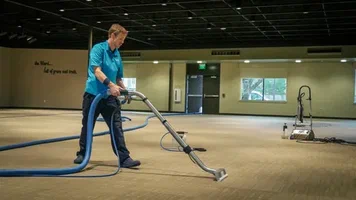
Workspaces with older carpeting face similar trouble. Fibers flatten with age and cling to dirt more aggressively. Vacuuming helps maintain appearance, but deeper extraction becomes essential if teams want to keep breathing zones healthier and work areas consistently tidy.
Ventilation That Circulates More Dust Than Fresh Air
Mechanical systems from older construction periods rarely match the filtration quality of modern HVAC setups. Air returns collect residue from decades of use, spreading dust through offices every time they activate. Even if surfaces are cleaned thoroughly, air movement pushes new material back into meeting rooms, hallways and reception areas within hours.
Cleaning teams often increase filter checks or schedule light sanitizing during off-hours to keep airborne particles under control. Without this extra attention, fine debris quickly builds up on desks, electronics and shared spaces.
Window Frames and Corners That Gather Hidden Debris
Older window designs include deeper frames, wide wooden sashes or uneven seals that collect dirt at a rapid pace. Rainwater, condensation and temperature swings make these areas even more prone to residue. Regular wiping improves appearance, but true cleanliness requires targeted detailing and repeated checks.
Corners around staircases, outdated baseboard heaters and legacy fixtures also collect layers of settled dust. These spots look innocent, yet they significantly affect indoor air quality if ignored for too long.
Floors That Wear Down Unevenly
Tile, laminate and vinyl floors installed years ago lose their original coating and resistance. High-traffic areas begin showing premature wear, making dirt more visible. In some cases, the grout or seams start absorbing grime instead of repelling it.
To keep surfaces presentable, cleaning crews rotate between gentle daily care and periodic treatments designed for older flooring. A structured routine helps prevent early deterioration while keeping workspaces welcoming for employees and visitors.
Workspaces Benefit From Skilled Local Support
Teams overseeing older buildings often collaborate with Janitorial Cleaning Services in Ann Arbor, MI during tougher upkeep cycles. Skilled crews understand how legacy materials react to modern cleaning products, how airflow affects dust movement and how to maintain cleanliness without stressing fragile surfaces. This added support brings stability to workspaces that face recurring debris, moisture or odor issues linked to outdated construction.
Storage Rooms and Utility Zones That Hide Long-Term Buildup
Older offices frequently include narrow closets, deep utility corners and mechanical spaces that receive little attention during everyday cleaning. Over months, these spots accumulate a dense layer of dust that spreads outward whenever doors open or equipment runs.
Detail-focused cleaning sessions become essential here. Clearing residue in these forgotten zones creates a noticeable improvement across the entire floor.
High-Touch Areas That Age Faster Than Expected
Door handles, railings, switch plates and shared equipment in older buildings show wear more dramatically. Surface texture changes over the years, becoming more porous and holding onto grime more tightly. Wiping removes germs but doesn’t always bring back the fresh appearance workers expect.
Short, consistent cleaning cycles combined with occasional surface refreshing help keep these areas looking professional and safe for daily use.
Restrooms With Fixtures That Need Extra Care
Legacy plumbing fixtures often stain easily or allow moisture to collect around edges. Floors near older seals and tile lines need more attention because residue settles quickly. Enhanced sanitizing routines help maintain hygiene, but teams also watch for aging grout, worn caulking and moisture pockets that influence odor and cleanliness.
The Advantage of a Routine Tailored to Older Buildings
A building constructed fifty years ago requires different care than one built last decade. Materials respond uniquely, airflow behaves differently and surfaces age unpredictably. Offices that adopt a cleaning plan designed around these realities stay healthier, more comfortable and more welcoming throughout the workweek.
Short, targeted tasks combined with scheduled deep care stop recurring messes before they spread. When cleaning plans match a building’s actual needs, teams spend less time repairing issues and more time maintaining a consistent, polished environment.
 Deutsch
 English
 Arabic
 French
 Spanish
 Portuguese
 Turkish
 Dutch
Dutch
 Italiano
 Russian
 Romaian
 Portuguese (Brazil)
 Greek
Greek