


How do oxygen flow meter errors impact overall oxygen therapy effectiveness?
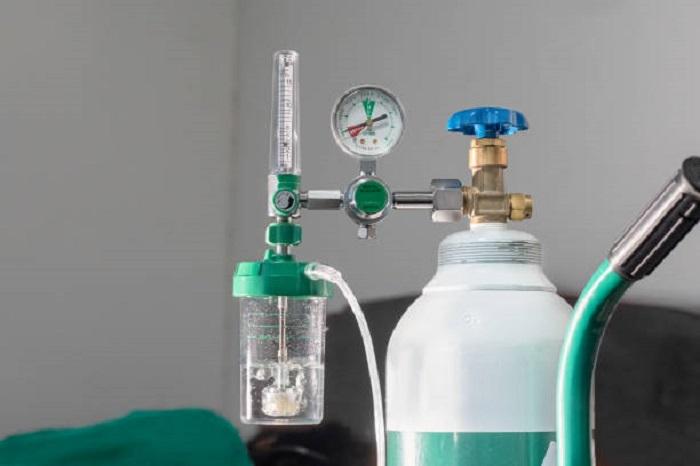
Oxygen therapy remains one of the most essential medical interventions across hospitals, home-care environments, and emergency care. Its success depends on delivering the correct oxygen concentration and flow rate to meet the patient’s physiological needs. Central to this process is the oxygen flow meter, a device responsible for regulating and measuring the flow of oxygen delivered from a supply source to the patient. When the oxygen flow meter functions poorly or generates inaccurate readings, the consequences can affect both immediate clinical outcomes and long-term health. Errors may be subtle or dramatic, but all have the potential to compromise treatment effectiveness. Understanding how these errors arise and how they influence therapy is crucial for healthcare providers, biomedical technicians, and medical equipment designers.
The Role of the Oxygen Flow Meter in Therapy
Measurement and Regulation of Flow
An oxygen flow meter controls the rate at which oxygen is delivered, typically expressed in liters per minute. This seemingly simple measurement carries significant importance because oxygen therapy must match the patient’s respiratory demand, disease state, and prescriber’s instructions. A correct flow ensures adequate oxygenation without causing harm from excessive or insufficient oxygen. Errors in measurement disrupt the balance between therapeutic benefit and safety.
Integration with Delivery Devices
Therapy effectiveness depends not only on the flow meter reading but also on its coordination with oxygen delivery interfaces such as nasal cannulas, masks, or ventilator circuits. If the oxygen flow meter indicates an incorrect value, clinicians may assume that the interface is performing inadequately, potentially leading to misdiagnosis or incorrect adjustments. Thus, the accuracy of the meter influences broader decisions in respiratory management.
Types of Oxygen Flow Meter Errors
Mechanical Inaccuracies
Mechanical oxygen flow meters depend on components such as floats, valves, and calibrated tubes. Wear, contamination, moisture retention, and physical damage can distort readings. A float may stick, move sluggishly, or shift unpredictably. These mechanical issues lead the user to believe they are administering the correct flow while the actual output deviates significantly. Even small errors can affect therapy, especially when treating neonates, patients with chronic respiratory conditions, or individuals requiring precise titration.
Sensor or Calibration Drift in Electronic Meters
Modern electronic oxygen flow meters offer enhanced digital accuracy but can be susceptible to sensor drift over time. Drift occurs when internal sensors lose calibration due to age, temperature variations, or exposure to high humidity. When drift is present, displayed values become progressively unreliable. This misleads clinicians into administering what they believe is the correct dose despite receiving an incorrect flow. The result may be delayed treatment response and diminished therapy effectiveness.
Clinical Consequences of Flow Meter Errors
Under-Delivery of Oxygen
One of the most common and serious outcomes of oxygen flow meter inaccuracies is under-delivery. When a patient receives less oxygen than prescribed, their blood oxygen saturation may fall, increasing the risk of hypoxemia. Hypoxemia affects all major organs and can rapidly escalate into severe complications, especially for critically ill or respiratory-compromised patients.
Individuals with chronic obstructive pulmonary disease, heart failure, or pneumonia rely heavily on oxygen therapy for stabilization. When the flow is lower than indicated, clinicians may incorrectly assume the patient is unresponsive to treatment, prompting unnecessary interventions or escalations in care. In emergency situations, such inaccuracies may prolong recovery or lead to life-threatening deterioration.
Over-Delivery and the Risks of Hyperoxia
Excessive oxygen, though less commonly recognized, can be dangerous. Over-delivery caused by an inaccurate oxygen flow meter may lead to hyperoxia. In neonates, hyperoxia contributes to retinopathy of prematurity and lung injury. Adults may experience oxidative stress and worsened ventilatory function. High oxygen levels can suppress the respiratory drive of patients with chronic hypercapnia, creating additional risks.
An inaccurate meter that delivers more oxygen than its reading suggests can mislead clinicians into believing that patient improvement results from an appropriate dose. Meanwhile, the patient may be receiving harmful amounts. This undermines treatment planning and long-term respiratory management.
Impact on Treatment Monitoring and Decision-Making
Misinterpretation of Patient Response
Therapy decisions depend heavily on observing patient response to oxygen adjustments. If the oxygen flow meter reading does not reflect reality, clinical interpretations become flawed. A patient appearing stable may actually be under-oxygenated, while another showing improvement may mistakenly be perceived as responding well to a lower prescribed dose. These inaccuracies complicate clinical pathways and introduce uncertainty into care.
Influence on Long-Term Management
Patients undergoing prolonged oxygen therapy, such as those with chronic lung disease, depend on stable and accurate flow rates to prevent deterioration. Over time, inaccurate readings can contribute to worsening symptoms, increased hospitalization frequency, and decreased quality of life. For home-care patients, inaccurate flow meters may undermine adherence as individuals experience inconsistent results despite following prescribed regimens.
Equipment Performance and System Reliability
Interaction with Regulators and Pressure Sources
Oxygen flow meters depend on stable pressures from oxygen cylinders or central oxygen supply systems. Fluctuations in supply pressure can cause the meter to register incorrect values. In cases where pressure regulators malfunction, the meter’s ability to measure and maintain flow also deteriorates. This combination of errors creates complex problems that decrease therapy consistency and reliability.
Environmental Influences
Environmental conditions such as humidity, temperature changes, and physical vibration impact how oxygen flow meters perform. Mechanical meters may fog internally or accumulate condensation, causing float obstruction. Electronic meters may accumulate signal noise or experience calibration interference. These errors emerge quietly and may go unnoticed until therapy effectiveness declines.
The Human Factor: Operation and Interpretation
Misreading Flow Meter Indicators
Even when the oxygen flow meter is functioning correctly, human error can lead to mistakes in interpretation. Viewing the float at an incorrect angle, failing to align digital displays properly, or misunderstanding the calibration scale introduces unnecessary risk. Misinterpretation leads to improper adjustments, contributing indirectly to therapy inefficiency.
Incorrect Equipment Setup
Proper installation is crucial for accuracy. Flow meters installed on the wrong pressure outlet or connected to incompatible accessories may deliver incorrect flow despite appearing functional. These setup errors mimic flow meter faults and undermine treatment effectiveness through avoidable oversights.
Improving Oxygen Therapy Through Accurate Flow Measurement
Importance of Routine Inspection and Calibration
Regular calibration and inspection of the oxygen flow meter reduce the risk of inaccurate readings. Whether in a hospital or home environment, ensuring that meters function correctly supports consistent therapy outcomes. Calibration verifies accuracy, while inspection identifies contamination, wear, or mechanical faults.
Monitoring Patient Outcomes to Verify Meter Performance
A reliable way to detect oxygen flow meter errors is through careful monitoring of patient oxygen saturation and clinical response. If a patient shows unexpected symptoms despite apparent compliance with prescribed flow, the flow meter may be underperforming. This approach adds a safety layer, alerting clinicians to potential inaccuracies before complications arise.
Conclusion: Accuracy as the Foundation of Effective Oxygen Therapy
The oxygen flow meter is a crucial link between medical prescription and patient outcome. Errors in this device, whether from mechanical faults, calibration drift, human oversight, or environmental influences, compromise the effectiveness of oxygen therapy. They can lead to hypoxemia, hyperoxia, misinterpretation of clinical response, and reduced long-term respiratory stability. Understanding how these errors arise and their clinical impact equips healthcare providers to ensure safer, more reliable oxygen delivery. Ultimately, accurate flow measurement strengthens patient outcomes, improves therapeutic consistency, and reinforces the essential role of precision in respiratory care.
 English
 Arabic
 French
 Spanish
 Portuguese
 Deutsch
 Turkish
 Dutch
Dutch
 Italiano
 Russian
 Romaian
 Portuguese (Brazil)
 Greek
Greek