


What Does Lilac Symbolism Teach About Mindful Living?
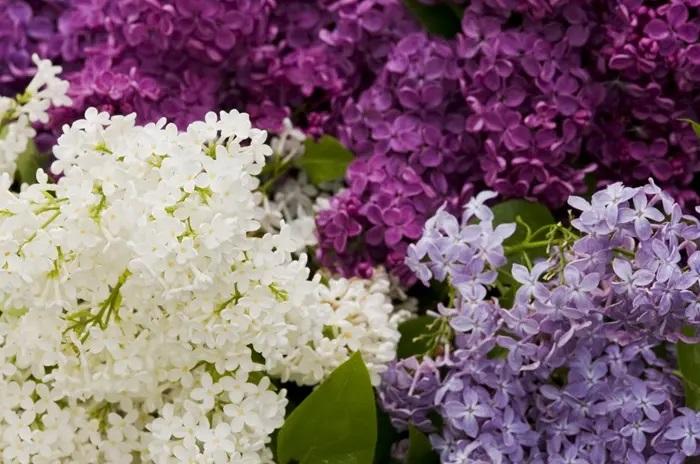
Lilac Symbolism carries a soft yet profound spiritual message that has captivated cultures for centuries. Known for its delicate blooms and enchanting fragrance, the lilac has long been associated with emotional awakening, serenity, and the subtle art of living with greater awareness. Its fleeting spring blossoms remind us that mindfulness is not merely a practice but a way of experiencing life with full presence, appreciation, and sensitivity. By understanding the spiritual lessons woven into the lilac’s essence, we gain insight into how to navigate our inner world with compassion, patience, and renewed intention.
The Spiritual Essence of Lilac Symbolism
The lilac stands apart from many symbolic plants because its meaning centers on emotional clarity and the gentle unfolding of the heart and mind. Where some flowers speak boldly of passion or power, Lilac Symbolism invites us into spaces of introspection and quiet transformation. Its fragrance has long been associated with memory, intuitive understanding, and the awakening of subtle emotional truths. As such, lilacs help illuminate how mindful living is rooted in noticing the small, delicate moments that often pass unnoticed.
Across generations, lilacs have been connected with themes of first love, innocence, and renewed perspective. These associations are not simply romantic; they point to the idea of seeing the world with fresh eyes, as if for the first time. Mindful living requires this capacity for renewal—an ability to release past burdens and meet each moment openly. The lilac’s early bloom in spring reinforces this symbolism, reminding us that clarity often arrives after periods of emotional wintering.
Lilacs in Ancient and Cultural Contexts
Lilacs in European Folklore
In European traditions, lilacs were seen as harbingers of spring, representing the moment when the earth begins to breathe again. Their sudden appearance after long periods of cold symbolized emotional thawing and the return of inner warmth. For many communities, lilacs were planted near homes as guardians of peace and harmony. Their scent was believed to calm the mind, quiet restlessness, and encourage contemplative thought.
This cultural reverence reveals a deeper spiritual insight: mindfulness begins with a softening. Just as the lilac opens gradually, mindful living invites us to ease into presence rather than force awareness. The lilac teaches that gentleness itself is a spiritual strength.
Lilacs in Victorian Symbolism
In the Victorian era, flowers were used to communicate emotions that could not be openly expressed. Lilac Symbolism was tied to reminiscence, the innocence of early emotions, and the bittersweet beauty of fleeting experiences. A sprig of lilac might be given to signify tender memories or the desire to cherish a moment before it passed.
This symbolic meaning aligns with mindfulness practices that emphasize savoring each experience. The Victorians recognized that lilacs captured the poignancy of the present—both beautiful and impermanent. Through this, the lilac becomes a teacher of mindfulness by reminding us that awareness enriches life, turning simple moments into cherished ones.
Lilacs in Eastern Traditions
Although lilacs are more prominently featured in Western lore, their presence in Eastern gardens and poetry highlights themes of purity, renewal, and spiritual clarity. The flower’s simple yet refined beauty is often seen as a metaphor for the uncluttered mind—one that is calm, receptive, and awake.
In this context, the lilac’s symbolism echoes the teaching that mindfulness is less about achieving and more about opening. It is a return to simplicity, to the core essence of being, much like the lilac’s elegant yet unassuming presence in a spring landscape.
Lessons in Mindful Living Through Lilac Symbolism
Presence Through the Senses
One of the most compelling aspects of lilacs is their fragrance—a powerful sensory experience capable of grounding the mind instantly. The scent of lilacs has been known to evoke vivid memories or emotional insights, demonstrating how sensory awareness can anchor us in the present.
Mindful living invites us to engage the senses fully, noticing the textures, scents, colors, and sounds that shape our environment. Lilac Symbolism teaches that awareness begins with attention. The simple act of breathing in the lilac’s fragrance can serve as a metaphor for pausing, centering oneself, and reconnecting with the moment.
Embracing Emotional Renewal
The lilac’s annual bloom symbolizes emotional renewal and the courage to begin again. Its blossoms do not linger long, yet each year they return with the same freshness and vibrancy. This cyclical rhythm offers a spiritual lesson: renewal is a natural part of life. No matter how heavy a season may feel, the heart retains the capacity to open again.
In mindful living, renewal comes through letting go of lingering attachments, outdated beliefs, and emotional stagnation. The lilac reminds us that clarity and softness coexist—that a renewed heart does not require us to discard our past but to meet it with new understanding.
The Beauty of Impermanence
One of the core principles of mindfulness is embracing impermanence. The lilac embodies this beautifully. Its blossoms arrive early, filling the air with fragrance and color, yet fade quickly, leaving only the memory of their presence.
Rather than inspiring sorrow, this fleeting beauty teaches acceptance. Lilac Symbolism encourages us to appreciate moments without clinging to them, to see the value in transitions, and to recognize that life’s most precious experiences are often temporary. Through this, the lilac becomes an emblem of both gratitude and emotional freedom.
The Quiet Strength of Softness
Despite their delicate appearance, lilacs are remarkably resilient. They survive harsh winters and bloom faithfully each spring. This duality mirrors the essence of mindful living: softness is not weakness but a form of inner strength.
Mindfulness cultivates this inner resilience by teaching individuals to respond rather than react, to meet challenges with clarity rather than fear. The lilac’s gentle petals and sturdy branches remind us that compassion, patience, and openness form the foundation of true strength.
Lilacs and Inner Awareness
Clarity of Thought and Intuition
The lilac is often associated with enhanced intuition and mental clarity. Its presence in gardens and homes has traditionally been linked to clearing stagnant energy and promoting thoughtful reflection. This aligns with mindfulness practices that aim to calm mental chatter and create space for intuitive insight to emerge.
Lilac Symbolism teaches that clarity is not achieved through force but through stillness. Just as the lilac thrives in quiet spring mornings, the mind finds insight when allowed to settle and breathe.
Emotional Memory and Healing
Because lilacs evoke deep emotional memories, they can also play a symbolic role in emotional healing. Mindful living involves acknowledging the past without allowing it to dominate the present. The lilac’s ability to stir memory gently reflects the process of healing—approaching memories with compassion and integrating them into one’s growth.
Modern Applications of Lilac Symbolism
Lilacs in Mindfulness and Wellness Practices
Today, the symbolism of lilacs influences aromatherapy, meditation rituals, emotional wellness practices, and interior symbolism. The fragrance is used to evoke calm, relieve stress, and encourage meditative presence. Visualizing lilacs during mindfulness sessions can help cultivate gentleness, gratitude, and clarity.
A Guide for Living with Intention
In contemporary life, filled with noise and urgency, the lilac stands as a symbol of slowing down, of savoring life rather than rushing through it. Lilac Symbolism offers a blueprint for intentional living—one rooted in awareness, renewal, emotional clarity, and appreciation of the present moment.
Conclusion: The Mindful Wisdom of the Lilac
Lilac Symbolism offers profound insights into mindful living by teaching presence, emotional renewal, acceptance of impermanence, and the quiet strength found in gentleness. Its blossoms remind us to savor life’s fleeting beauty, to open the heart with courage, and to cultivate clarity through stillness. The lilac’s spiritual lessons encourage a life lived with intention, softness, and deep appreciation—an invitation to bloom fully in each passing moment.
 Italiano
 English
 Arabic
 French
 Spanish
 Portuguese
 Deutsch
 Turkish
 Dutch
Dutch
 Russian
 Romaian
 Portuguese (Brazil)
 Greek
Greek