


Lotus Symbolism Reflects Spiritual Awakening and Insight
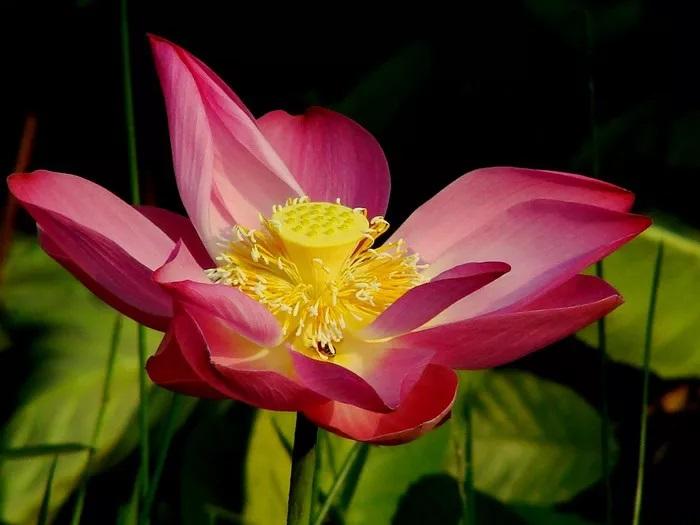
Lotus Symbolism has endured across centuries as one of the most powerful metaphors for spiritual awakening, purity, and inner transformation. The lotus flower, emerging pristine from murky waters, mirrors the human journey of rising above suffering and confusion to realize deeper wisdom. This natural process of growth and unfolding has inspired religions, philosophies, and artistic traditions worldwide, making the lotus a timeless emblem of clarity, resilience, and enlightenment. Its presence in myth, meditation, and sacred art demonstrates how deeply rooted its message is in humanity’s collective understanding of spiritual progress. As cultures observed the lotus rising unstained from mud, they recognized in it a universal reflection of the soul’s potential to awaken.
The Timeless Power of Lotus Symbolism
The lotus appears again and again in spiritual traditions because its life cycle serves as a living parable. From the murky depths, where its roots stretch into darkness, the lotus pushes upward until it reaches the surface and blooms in luminous beauty. This movement from obscurity to radiance has become a symbolic guide for those seeking inner harmony, clarity, and transcendence. It speaks to the resilience of the human spirit and the possibility of enlightenment even when one’s origins or experiences appear difficult or limiting.
In many traditions, the flower also symbolizes the unfolding of consciousness. Each layer of petals suggests a deeper realization, a gradual revelation of truth. The lotus does not open all at once; similarly, spiritual insight develops through patience, discipline, and self-reflection. It is this gradual unfolding—rather than an instant transformation—that makes the lotus such an accurate representation of human growth.
Lotus Symbolism Across Ancient Civilizations
The Lotus in Ancient Egyptian Mysticism
In ancient Egypt, the lotus was associated with the rhythms of creation and rebirth. Its tendency to close at night and reopen with the rising sun made it a symbol of cyclical renewal. Egyptian creation myths often described the sun god emerging from a lotus at the beginning of time, making the flower an emblem of the birth of consciousness. The blue lotus, especially, appeared prominently in sacred texts and temple imagery. It represented awakening, divine order, and the continual victory of light over darkness. Beyond its beauty, Egyptians saw in it the promise of regeneration and the persistence of life’s creative force.
Lotus Symbolism in Hindu Tradition
In Hinduism, the lotus is deeply woven into both cosmology and devotional practice. Many deities—such as Vishnu, Lakshmi, and Saraswati—are depicted seated upon a lotus, emphasizing their purity and divine authority. The lotus is described in scriptures as the seat of spiritual knowledge, representing the blossoming of truth in the midst of worldly illusion. Its ability to remain untouched by impure surroundings mirrors the spiritual aspirant’s goal of rising beyond attachments and desires. The lotus is also linked to the concept of the self, often compared to a lotus dwelling within the heart, waiting to be realized by those who seek inner awakening.
The Lotus in Buddhist Philosophy and Imagery
Buddhism elevates the lotus to one of its most essential symbols. It represents the journey from suffering to enlightenment, reflecting the trajectory of the Buddha himself. The stages of lotus growth correspond to levels of spiritual progress, from the closed bud of ignorance to the full bloom of awakened wisdom. The lotus is also used to illustrate the purity of the Buddha’s mind—free from defilement, unmoved by worldly conditions. In Buddhist art, Bodhisattvas, deities, and enlightened beings often appear standing or sitting upon lotus thrones, emphasizing their transcendence. Practitioners use the lotus as a reminder that enlightenment is possible for all, regardless of one’s starting point.
Influence of Lotus Symbolism in East Asia
In Chinese and Japanese culture, the lotus symbolizes integrity, composure, and moral elevation. Confucian scholars admired the flower for its ability to rise clean from muddy environments, seeing it as a metaphor for upright character. Daoist practitioners viewed it as a manifestation of natural harmony, a sign of effortless action aligned with the cosmic flow. Artists and poets used lotus imagery to evoke serenity, balance, and the subtle elegance of spiritual insight. In Japan, the lotus often appears in Zen-inspired art, where its simplicity symbolizes the quiet beauty of mindful awareness.
Lotus Symbolism and the Inner Spiritual Journey
Rising Above the Mud of Human Experience
The lotus’s relationship to mud carries profound psychological and spiritual meaning. The mud signifies challenges, emotional burdens, and the illusions that cloud the mind. Yet without this mud, the lotus cannot grow. This teaches an essential truth: difficulties are not barriers to awakening but catalysts for it. Each obstacle offers an opportunity for deeper understanding, just as the lotus depends on the nutrients of the mud to thrive. Humanity’s struggles—fear, doubt, loss, and pain—become part of a transformative path that leads to resilience and insight. Lotus Symbolism thus encourages embracing one’s past and present experiences as elements of growth.
The Gradual Opening of the Inner Lotus
The unfolding petals of the lotus symbolize the slow and deliberate awakening of consciousness. In yogic philosophy, the chakras or energy centers are often depicted as lotus flowers, each representing a stage of emotional, psychological, and spiritual development. As one progresses through self-inquiry and meditation, the lotus within gradually opens, revealing greater clarity and compassion. This imagery captures the essence of spiritual practice: not a sudden revelation, but a continuous blooming. The lotus teaches patience, the acceptance of one’s pace, and the trust that inner wisdom will unfold naturally when nurtured with intention.
Contemporary Relevance of an Ancient Symbol
Guidance for Modern Seekers
In a world filled with noise, distraction, and emotional strain, the lotus remains a grounding symbol of inner peace. People turn to it when seeking balance, healing, or spiritual direction. Its message of resilience encourages individuals to rise above stress and confusion, while its purity inspires efforts toward clarity and authenticity. The lotus reminds modern seekers that transformation is not about perfection but about moving steadily toward alignment with one’s deepest truths.
Lotus Symbolism in Art, Meditation, and Healing
The lotus continues to influence contemporary art and wellness practices. In visual art, it appears as a symbol of harmony, luminosity, and contemplative stillness. In meditation, visualizing a lotus blooming at the heart or crown can help cultivate calmness and a sense of spiritual expansion. Therapeutic practices also draw on lotus imagery to represent emotional release, growth, and the awakening of intuition. In yoga studios, retreat centers, and healing spaces, the presence of lotus motifs helps create an environment of reflection and renewal.
Conclusion: The Enduring Insight of the Lotus
The lotus remains a universal symbol of purity, awakening, and the triumph of clarity over confusion. Its journey from mud to bloom reflects the human possibility of rising from hardship into wisdom. Across cultures and through time, Lotus Symbolism continues to guide seekers toward inner peace, resilience, and spiritual insight. The flower stands as a reminder that no matter one’s circumstances, the potential for awakening lies within, waiting to bloom.
 French
 English
 Arabic
 Spanish
 Portuguese
 Deutsch
 Turkish
 Dutch
Dutch
 Italiano
 Russian
 Romaian
 Portuguese (Brazil)
 Greek
Greek