


What Role Does a Rotameter Play in Chemical Processing Plants?
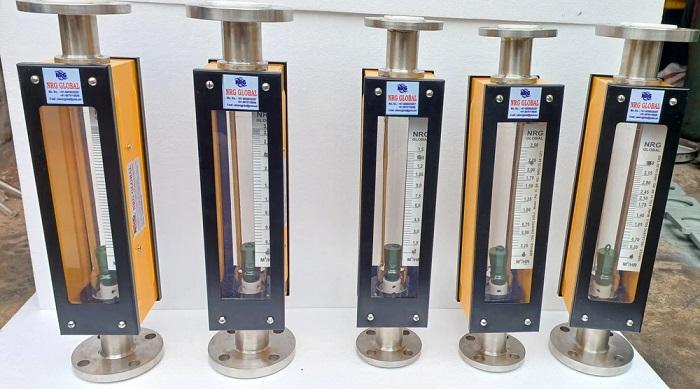
A rotameter plays an essential role in chemical processing plants because it measures flow accurately and reliably. Chemical plants rely on controlled movement of liquids and gases. They rely on steady rates. They rely on predictable interactions. They rely on precise mixing. Every process depends on flow measurement. A rotameter provides simple construction. It provides direct readings. It provides stable performance. It provides dependable results. This article examines the role a rotameter plays in chemical plants. It explores its importance. It explains its functions. It describes how it supports safety. It describes how it improves efficiency. It describes how it ensures quality.
The Importance of Flow Measurement in Chemical Processing
Why Chemical Plants Require Precise Flow Control
Chemical processing involves reactions. It involves mixing. It involves heating. It involves cooling. It involves separation. Every step requires precise flow. A rotameter helps maintain that precision. Too much flow may cause overheating. Too little flow may cause incomplete reactions. Irregular flow can change product quality. In chemical plants, consistency matters. Flow measurement ensures stability. It ensures predictable conditions. It ensures safe operation.
How a Rotameter Fits Into Flow Measurement Systems
A rotameter is a variable area flow meter. It uses a float. It uses a tapered tube. The float moves. The float rises with flow. The float falls with reduced flow. The float stabilizes at a point that indicates the flow rate. Operators read the position directly. This simple principle helps chemical plants monitor flow quickly. It gives immediate feedback. It gives visual confirmation. It requires no complex electronics. It works in many conditions. It handles many fluids. Its simplicity makes it ideal for harsh environments.
How a Rotameter Supports Daily Plant Operations
Ensuring Accurate Dosing and Chemical Mixing
Chemical plants rely on dosing. They rely on careful addition of chemicals. They rely on controlled mixing. They rely on repeatable steps. A rotameter helps regulate feed lines. It helps maintain correct ratios. It helps ensure correct injection of reactants. For example, when a catalyst must be fed slowly, a rotameter shows the flow instantly. It keeps the operator aware. It prevents overdosing. It prevents underdosing. This accuracy supports product consistency. It keeps reactions stable.
Monitoring Process Streams in Real Time
Chemical processes change. They shift with temperature. They shift with pressure. They shift with viscosity. Operators must see these changes. A rotameter provides real-time visibility. The float position responds quickly. It shows increasing flow. It shows decreasing flow. It shows blockages. It shows pump failure. It shows line restrictions. Because it responds directly to flow, it helps operators judge system health. It helps them diagnose issues. It helps them adjust controls. Real-time information keeps processes safe.
The Rotameter’s Role in Safety and Risk Prevention
Preventing Overflows and Process Instability
Safety is essential in chemical plants. Instability can cause spills. It can cause overheating. It can cause pressure surges. A rotameter prevents these issues by showing abnormal flow conditions. If flow rises too high, the float will climb. If flow drops suddenly, the float will fall. Operators notice these movements. They respond quickly. They protect the system. They prevent accidents. A rotameter gives immediate warning because it involves no delay. It involves no complicated signal. It shows physical movement.
Detecting Blockages and Equipment Malfunctions
Chemical lines can clog. They can corrode. They can fill with debris. A rotameter helps detect these problems early. When a blockage forms, the float drops. When a pump weakens, the float lowers. When a valve sticks, the float moves inconsistently. Operators watch the float. They interpret the signals. They react before a minor issue becomes serious. A rotameter therefore becomes a critical safety tool. It prevents downtime. It avoids system damage. It protects personnel.
Supporting Energy Efficiency and Process Optimization
Helping Maintain Steady Flow for Heat Transfer Systems
Many chemical plants use heat exchangers. These systems depend on constant flow. They need steady coolant movement. They need consistent liquid supply. A rotameter ensures the required rate remains stable. When heat transfer slows, temperatures shift. When temperatures shift, reactions change. A rotameter helps keep flow within limits. It supports uniform operation. It reduces energy waste. It improves overall plant performance.
Improving Pump and Compressor Efficiency
Pumps and compressors work best at controlled flow rates. Too much flow stresses the equipment. Too little flow creates inefficiency. A rotameter helps operators fine-tune operation. They adjust their systems based on the float’s position. They optimize performance. They reduce wear. They save energy. This simple device helps prevent equipment overloading. It keeps machinery running longer. It lowers operational costs.
Material Compatibility and Versatility of Rotameters
Handling a Wide Range of Liquids and Gases
Chemical plants use many fluids. They use acids. They use solvents. They use water. They use air. They use inert gases. A rotameter can handle many of these materials. It can be built from glass. It can be built from metal. It can be built from plastic. Each material suits a specific chemical. This versatility makes rotameters valuable. They adapt easily. They integrate into different lines. They support varied processes. Their design allows them to match diverse plant needs.
Working Under Different Operating Conditions
Temperature, viscosity, and pressure vary in chemical operations. A rotameter handles moderate conditions with ease. It works when fluids warm. It works when fluids cool. It works when fluids thin. It works when fluids thicken. It gives consistent readings. It stays stable. It remains reliable. This adaptability allows chemical plants to use rotameters in several stages of production. It supports laboratory testing. It supports pilot plants. It supports full-scale operations.
The Rotameter’s Function in Process Control Systems
Providing Local Readouts for Operators
A rotameter offers a visual readout. Operators see it directly. They do not need electrical power. They do not need transmitters. They do not need software. This simplicity is useful. It supports manual control. It supports fast checks. It supports routine inspections. Operators can walk through the plant. They can observe each rotameter. They can track flow changes. They can compare readings. This local visibility improves awareness. It improves responsiveness. It improves process control.
Integrating With Automated Monitoring Systems
Some rotameters include transmitters. They send electronic signals. They connect to control systems. They allow digital monitoring. Chemical plants often combine traditional rotameters with automation. The float’s position is converted into a signal. The control system records it. The system reacts. It adjusts valves. It adjusts pumps. It maintains stability. This combination of mechanical measurement and digital response makes rotameters even more valuable. They support modern plant design. They help achieve precise control.
Why Chemical Plants Continue to Rely on Rotameters
Durability and Low Maintenance
A rotameter has few moving parts. It has no complex sensors. It has no electrical components. It rarely fails. It requires minimal maintenance. It handles long service life. It withstands difficult conditions. Chemical plants choose rotameters because they reduce downtime. They reduce repair costs. They reduce operational complexity. Reliability is crucial in an environment where every minute matters.
Cost-Effectiveness and Practicality
Rotameters cost less than many electronic flow meters. They cost less to repair. They cost less to install. They cost less to operate. They also offer fast readings. They offer easy training. They offer high dependability. This practicality makes them an excellent choice. Chemical plants appreciate devices that provide consistent results without high expense.
Conclusion
A rotameter plays a major role in chemical processing plants. It ensures accurate flow measurement. It supports safety. It enhances efficiency. It protects equipment. It improves mixing. It assists with dosing. It supports both manual and automated systems. Its simple design offers reliability. Its versatility allows use with many chemicals. Its visual readout offers clarity. Its low cost provides value. Chemical plants depend on stable flow. They depend on predictable processes. They depend on clear readings. A rotameter provides all of these advantages. It remains one of the most dependable tools in modern chemical operations.
 Deutsch
 English
 Arabic
 French
 Spanish
 Portuguese
 Turkish
 Dutch
Dutch
 Italiano
 Russian
 Romaian
 Portuguese (Brazil)
 Greek
Greek